Predator Watch #28
The Rise of the Rongai Boys, Rekero’s new era, and Tragedy for Sampu Enkare (14th – 20th September 2026)
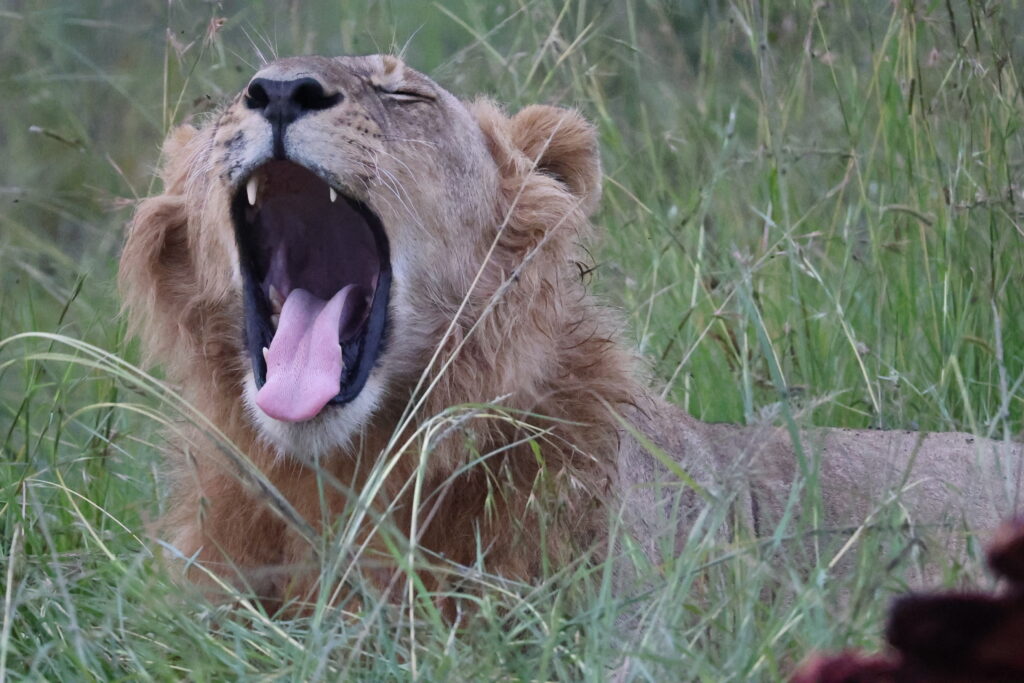
Every day in the wild, a new story is written.
Welcome to the 28th edition of Predator Watch. Life for lions of the Greater Mara is governed by immutable biological laws, where territorial boundaries are constantly tested, and power is never permanent. While male coalitions vie for supremacy across territories, resident females face the responsibility of shielding the next generation from violent upheavals of pride takeovers.
This week’s monitoring reveals both sides of this unforgiving coin. Across the central plains, a coalition of young males has solidified their reign over a legendary territory, while nearby, a smaller pride navigates the devastating consequences of overlapping ranges.
Here are the latest observations on the Rongai Boys’ takeover of the Rekero Pride and the resilient lionesses of Sampu Enkare.
Sampu Enkare Pride
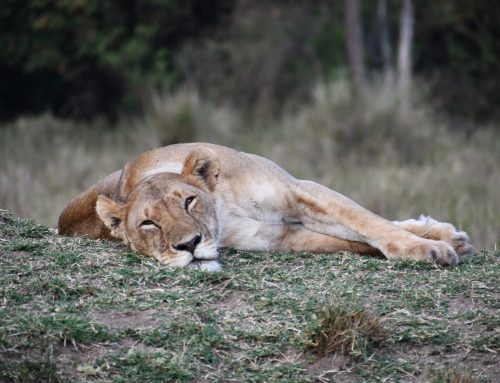
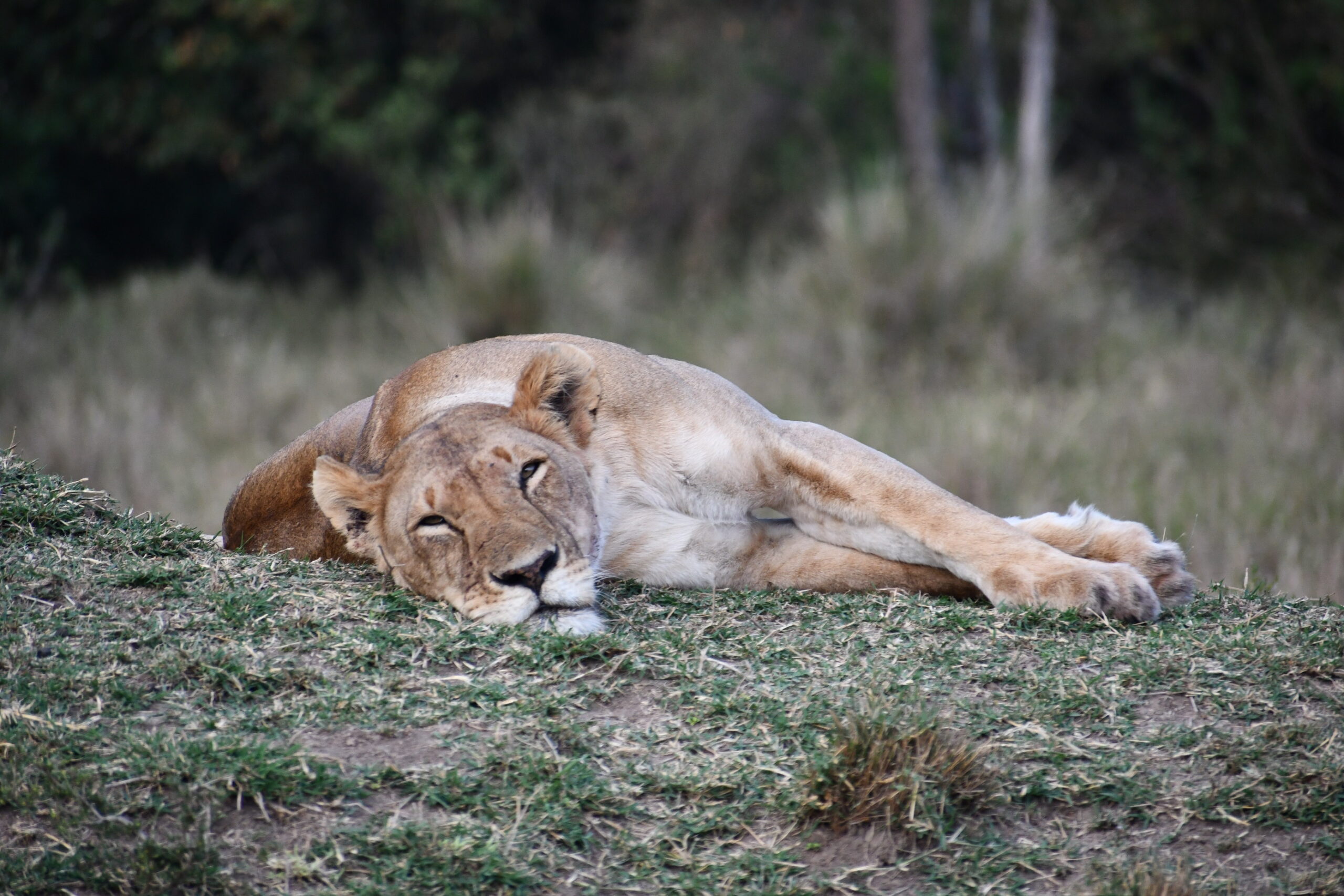
The Sampu Enkare Pride currently consists of five adult females. Lokoman, born in 2013, is the oldest member of the pride, while Nariku was born in 2017. The pride has faced repeated challenges in raising cubs, with several cases of infanticide recorded over the years. In 2021, the pride successfully raised four cubs, three females and one male, although the male did not survive to adulthood.
Despite these challenges, the Sampu Enkare females have persisted by maintaining a relatively low profile. They have been displaced from different areas by larger prides, but the experience of the older females has helped them navigate these pressures, often avoiding direct confrontations with larger groups.
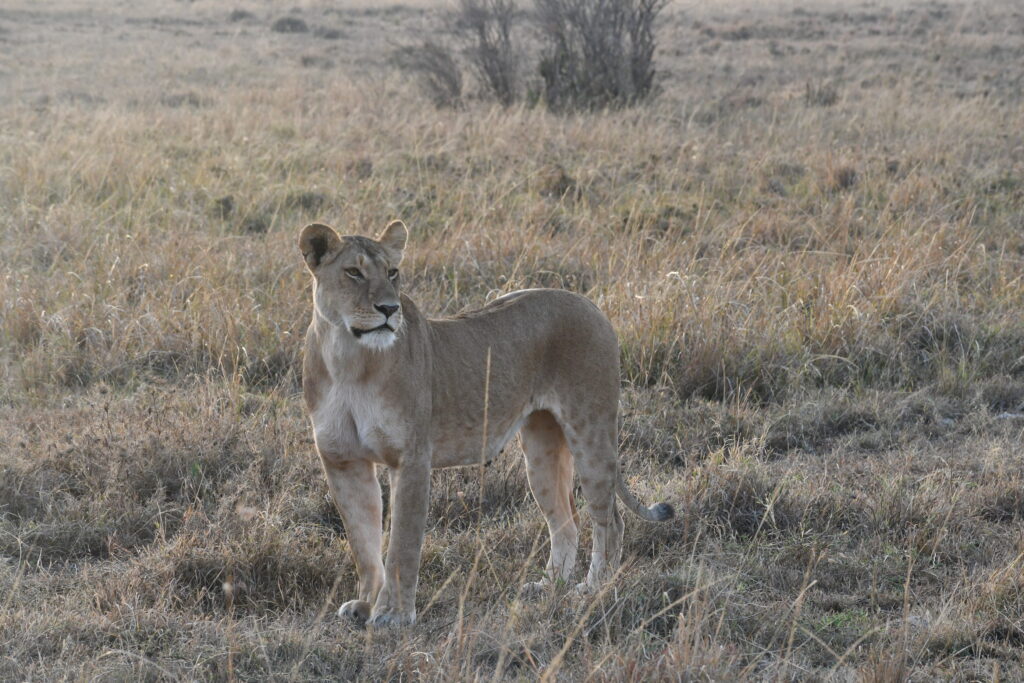
During a recent sighting near the Ndorob area, the Sampu Enkare Pride encountered a breakaway group from the Ilkisiusiu Pride. The Sampu Enkare females attempted to defend their territory but were overpowered by the larger group. Tragically, one of the Sampu Enkare cubs was killed during the encounter.
We later observed Nariku’s daughter, one of the females from her 2021 litter, returning to the site of the confrontation. She repeatedly called and searched the area, apparently looking for her cub, unaware that it had been killed. She then moved dangerously close to the Ilkisiusiu group, which was feeding only about 100 metres away and concealed by tall grass.
Fortunately, she detected the danger in time and quickly retreated towards a nearby kopje and thick vegetation. She later successfully rejoined the rest of the Sampu Enkare Pride.
The encounter highlights the challenges smaller prides face in a landscape where territories frequently overlap and competition between neighbouring prides can have serious consequences, particularly for females raising young cubs.
The Rongai Boys’ takeover of the Rekero Pride
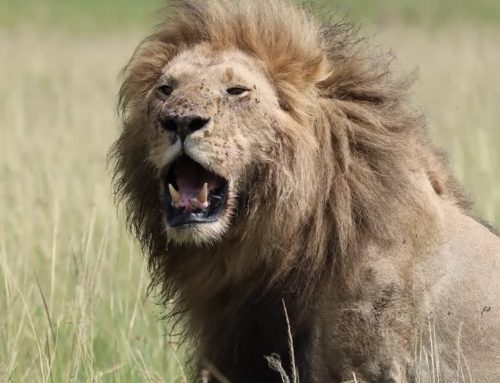
The Rekero Pride has recently experienced another episode of infanticide following a takeover by the R5 males, also known as the Rongai Boys.
The Rongai Boys recently displaced the Six-Pack, or Moniko males, who previously controlled the pride. Following the takeover, the R5 males killed cubs sired by the former pride males. Infanticide is a well-documented part of lion social dynamics and can occur when incoming males take control of a pride and kill dependent cubs that are not their own.
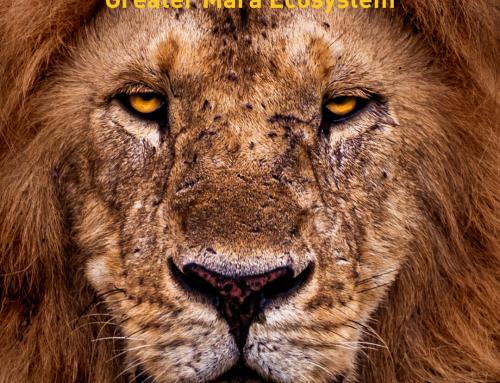
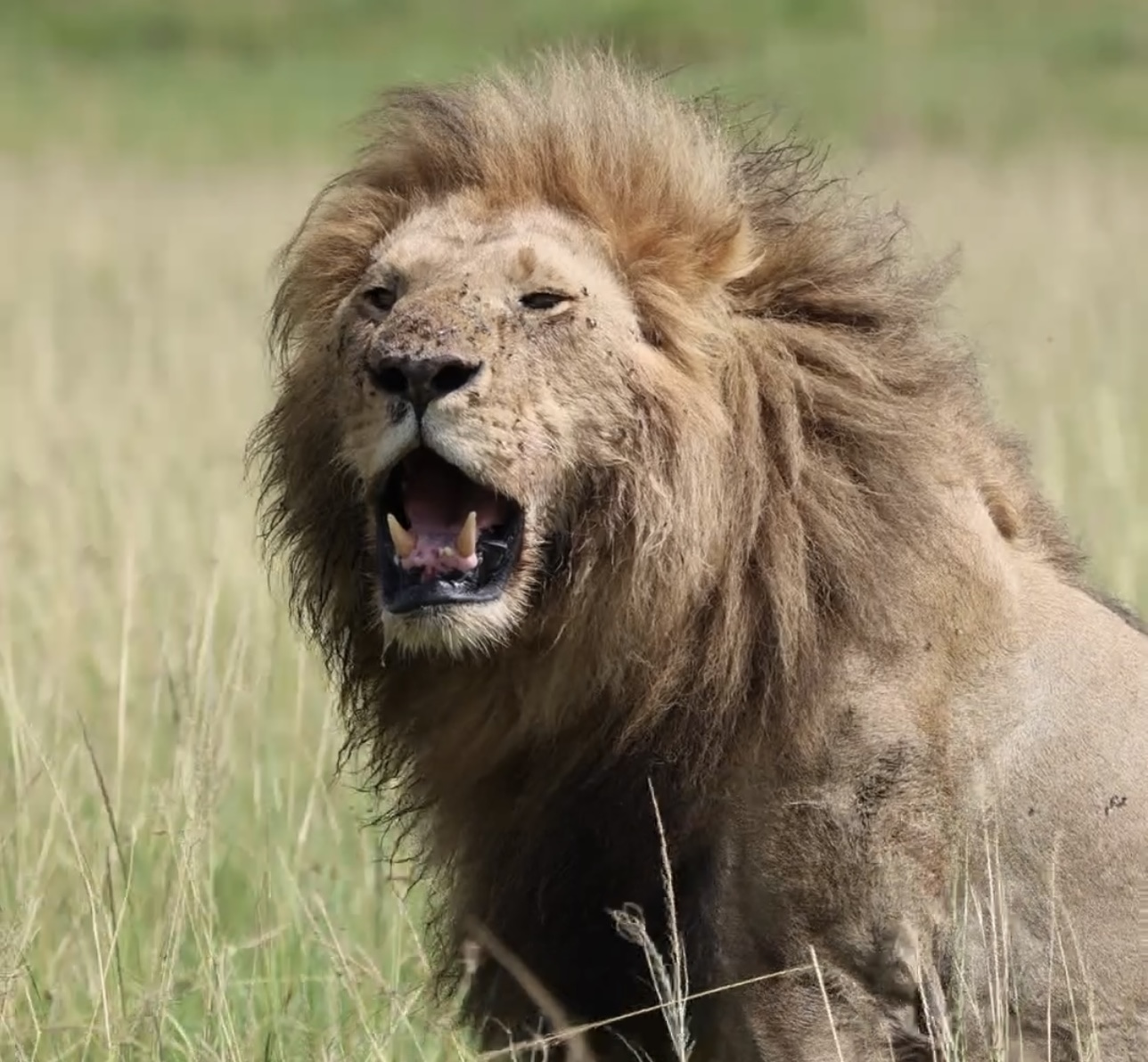
One of the males playing a prominent role in the takeover is Kidongoe, easily recognisable by the distinctive tuft at the end of his shortened tail.
With the takeover now established, the Rongai Boys have begun mating with females from the Rekero Pride, marking the beginning of a new reproductive cycle under their tenure.
A strong and united Coalition
Unlike the Topi males, who have recently separated and are ranging independently, the Rongai Boys continue to move as a cohesive coalition. Staying together gives the five males a considerable advantage when defending access to prides and territory against rival males.
For now, the coalition appears to face relatively little competition from other adult males in the surrounding area. Their movements cover an extensive range, stretching from Olkeju Rongai to Rhino Ridge.
How long the Rongai Boys can maintain this dominance will be important for the Rekero Pride. A prolonged period of male stability could provide future cubs with a better chance of reaching independence, while another early takeover could once again disrupt the pride’s reproductive cycle.
From the pride takeovers to the quiet grief and instincts of a mother searching for her cub, the Mara lays bare the realities of wild survival. Documenting these milestones through long patrol hours and individual ID tracking allows us to map the demographics that keep this apex predator population balanced.
Thank you for your ongoing partnership in following and protecting the Mara’s big cats. If you would like to support our monitoring vehicles, tracking technology, and community teams, please consider contributing below.
Be Part of the Story
Support Our Work
The stories you read in Predator Watch are made possible by our dedicated team on the ground and the essential tools they use every day. From monitoring lions and cheetahs across extensive territories to ensuring a Lion Ambassador can patrol safely, every aspect of our work requires resources. You can directly support these efforts and become a part of predator conservation in the Greater Mara.
Here’s how your contribution can make a direct impact:
- $50 buys a pair of sturdy boots to keep a Lion Ambassador on patrol.
- $100 purchases one GPS ear tag for a cow, helping us better understand and mitigate human-wildlife conflict.
- $500 provides fuel and maintenance for one of our 4×4 field vehicles for an entire month, keeping our research assistants on the move.
- $2,500 builds one predator-proof, recycled plastic boma (livestock enclosure), protecting livestock and preventing retaliatory killings.
- $5,000 allows us to purchase and deploy one GPS collar on a lion or cheetah, providing invaluable data on their movements.
Every donation makes a difference and allows us to continue this important work.