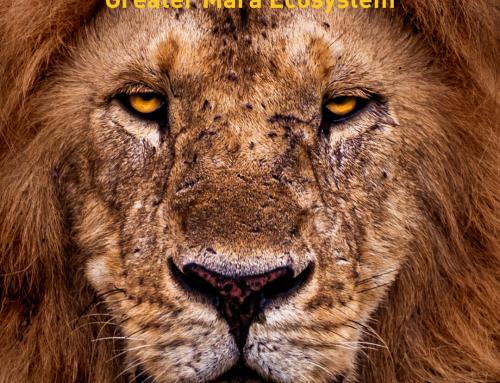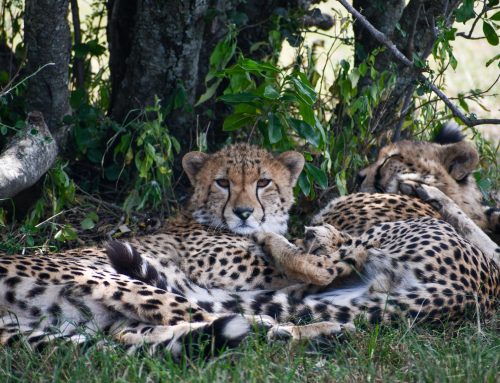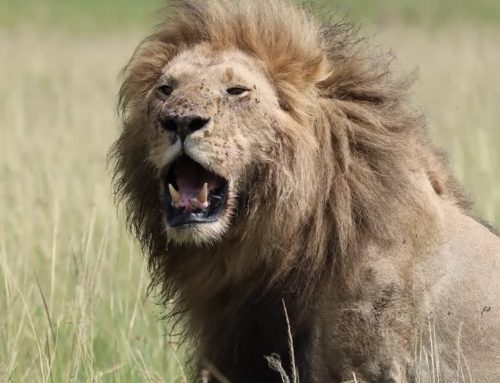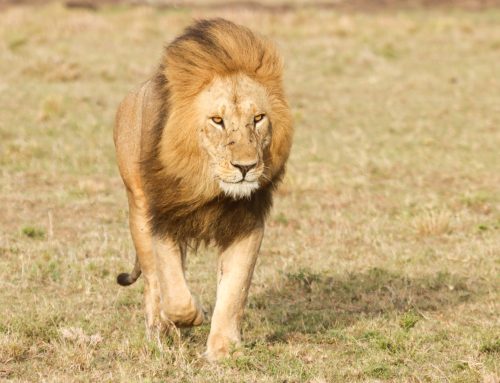
Predator Watch #25
GPS Collars, Migratory Prey, and Corridor challenges (19th – 25th July 2026)

Every day in the wild, a new story is written.
Welcome to the 25th edition of Predator Watch. The arrival of the Great Migration has transformed the plains into a landscape of abundance.
With an endless supply of prey flooding the ecosystem, the daily routines of the Mara’s big cats are shifting. While some are enjoying the easy hunting opportunities, others continue to face increasing pressures as they navigate shared landscapes.
We also have some exciting news regarding the expansion of our technological monitoring capabilities in the Reserve. Here is the latest from the field on the Serena Rongai Pride, Olope the cheetah, and our new LoRa collars.
Serena Rongai Pride
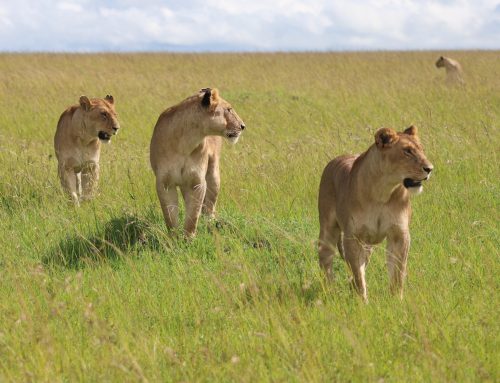
The arrival of the Mara-Serengeti wildebeest migration has transformed the plains into a landscape of abundant prey, with thousands of wildebeest and zebras providing an almost endless supply of food. While lions will hunt instinctively even when prey is plentiful, this seasonal abundance allows the Serena Rongai Pride to take a welcome break from pursuing more challenging and dangerous prey, such as buffaloes.
With food readily available, the pride can conserve energy while taking advantage of easier hunting opportunities.
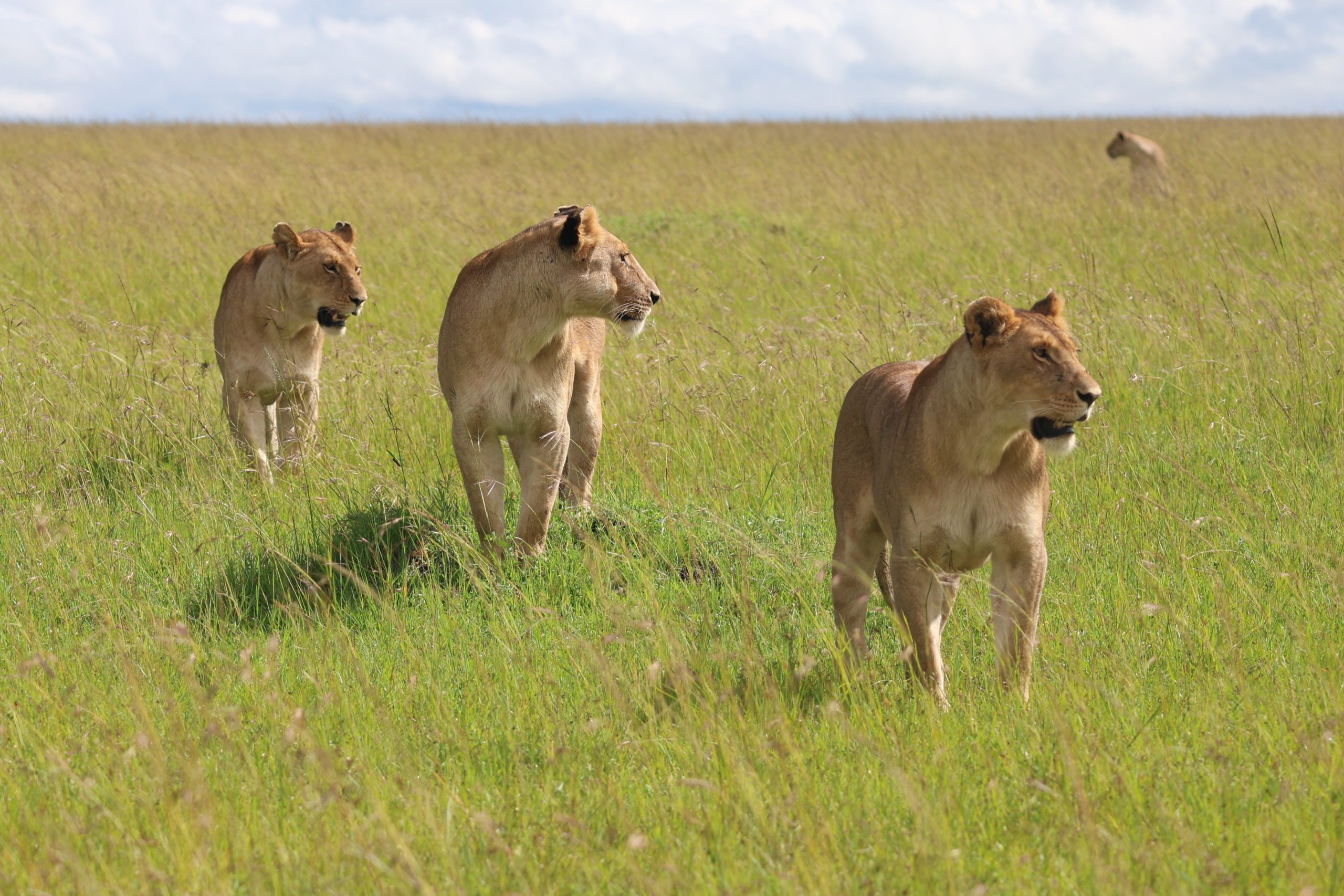
During our recent monitoring, we encountered Naeku, one of the pride’s adult females, whom we recently fitted with a GPS collar. The collar enables our team and rangers to closely monitor the pride’s movements as they shift between the migration herds and neighbouring livestock grazing areas, allowing rapid intervention whenever the risk of human-lion conflict increases.
Over the past few months, the Serena Rongai Pride has exhibited unusual ranging behaviour, moving between its core territory and neighbouring community lands. These excursions highlighted the growing risk of human-lion conflict and underscored the need for close monitoring of the pride. This week, we found Naeku and one of her sisters resting with full bellies after successfully bringing down a zebra, while the pride’s subadults and remaining adult females were resting a few kilometres away.
Encouragingly, the pride has now returned to its core territory, where the abundance of migratory prey is reducing the need to venture into higher-risk community areas in search of food. It is a timely reminder of the vital role the annual migration plays, not only in sustaining predators but also in helping to reduce the likelihood of conflict between lions and people.

Cheetah Count
Olope
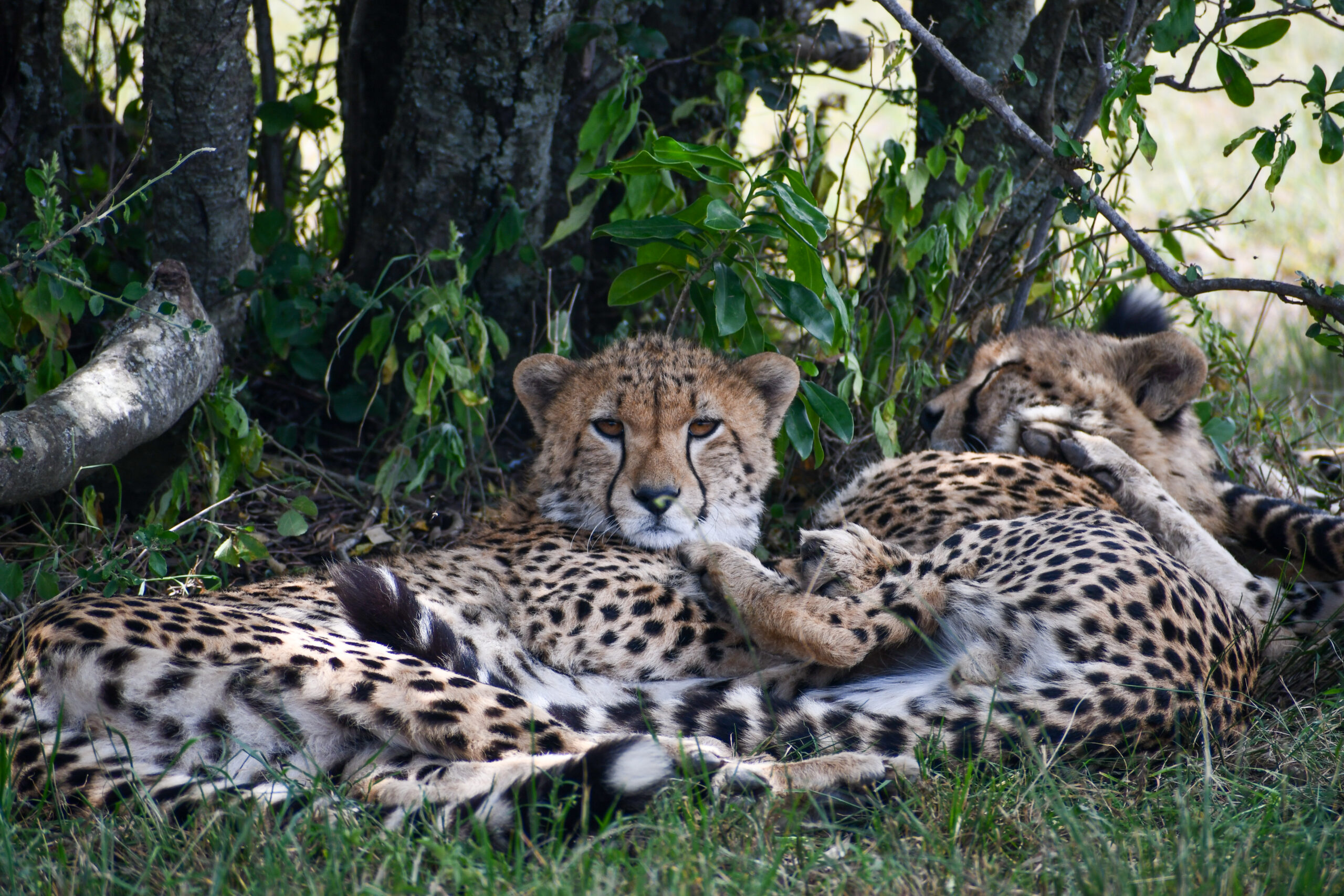
We encountered Olope this week in an interesting sighting as he attempted to cross from Olare Motorogi Conservancy into Naboisho Conservancy. His movements offered another glimpse into the challenges cheetahs face when navigating the increasingly human-dominated Greater Mara landscape.
Olope regularly moves between the Naboisho, Olkinyei, and Olare Motorogi conservancies, relying on the corridors that connect them. However, these routes are increasingly shared with people on foot and motorbikes, and expanding fencing is forcing him to wait for safe opportunities to cross while carefully avoiding human activity.
As he manoeuvred through the areas separating the conservancies, Olope was confronted by domestic dogs, leading to a brief scuffle. Fortunately, he evaded them and completed his crossing into Naboisho Conservancy without injury.
For cheetahs like Olope, the ability to move freely between conservancies is essential. These connected landscapes provide access to prey, suitable habitat, and opportunities to establish and maintain territories. His successful crossing was a positive outcome, but it also highlights the growing pressures wildlife faces as human activity intensifies along these critical movement corridors.
Conservation News and Updates
Expanding the LoRaWAN Network
Earlier this month, together with The Safari Collection, the Maasai Mara National Reserve, and Connected Conservation Foundation, we successfully deployed three LoRa collars on two pride females and one coalition male within the National Reserve.
This collaring exercise was made possible through the Safari Collection Footprint Trust, thanks to the generous support of guests at Sala’s Camp.
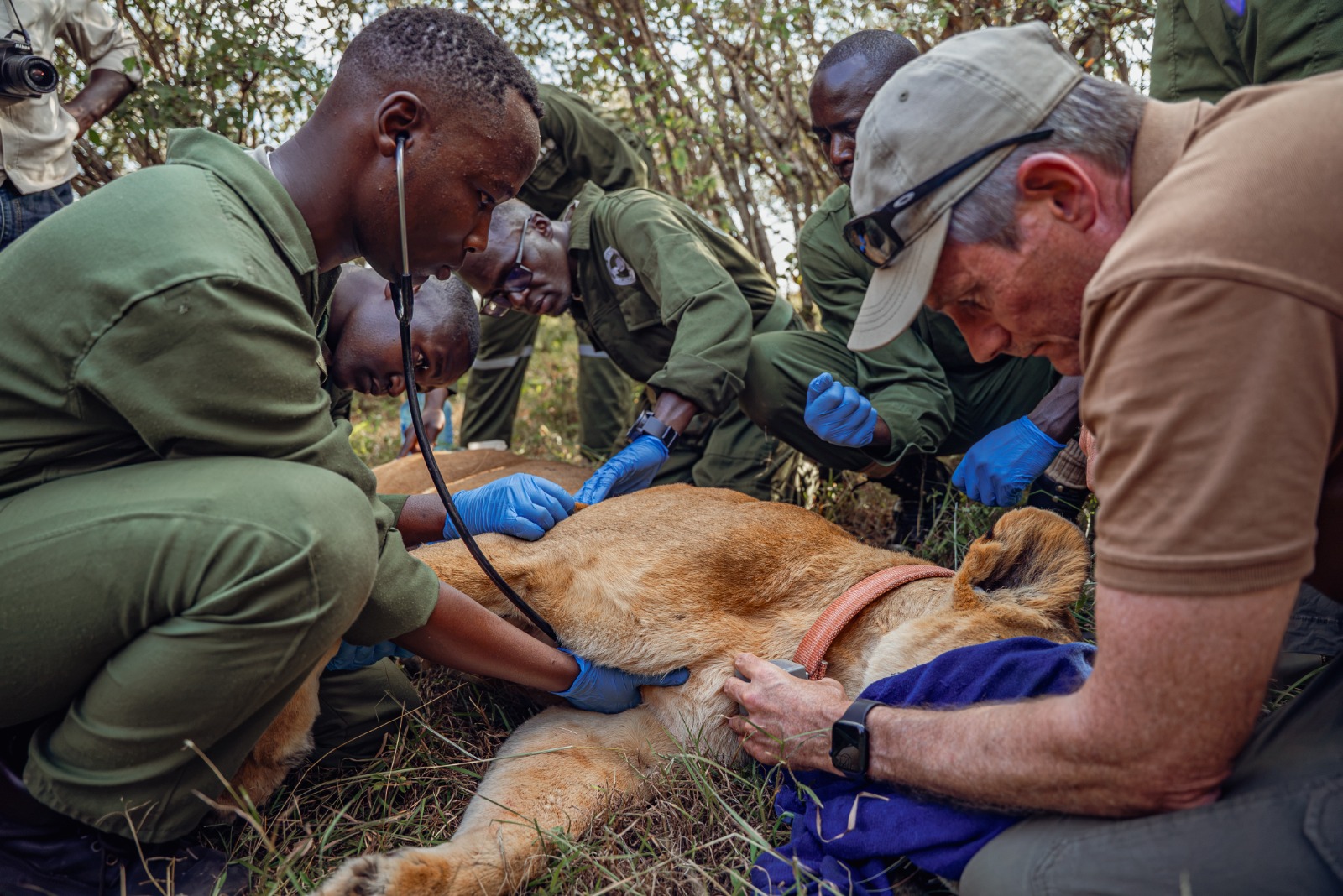
In collaboration with The Safari Collection, the Narok County Government has established the Mara LoRaWAN network across the National Reserve and the Mara Triangle, with technical support from the Connected Conservation Foundation.
These collars transmit real-time location data directly to Narok County’s EarthRanger platform at the Maasai Mara Conservation Centre, allowing rangers to monitor lions and respond proactively to emerging human – wildlife conflict.
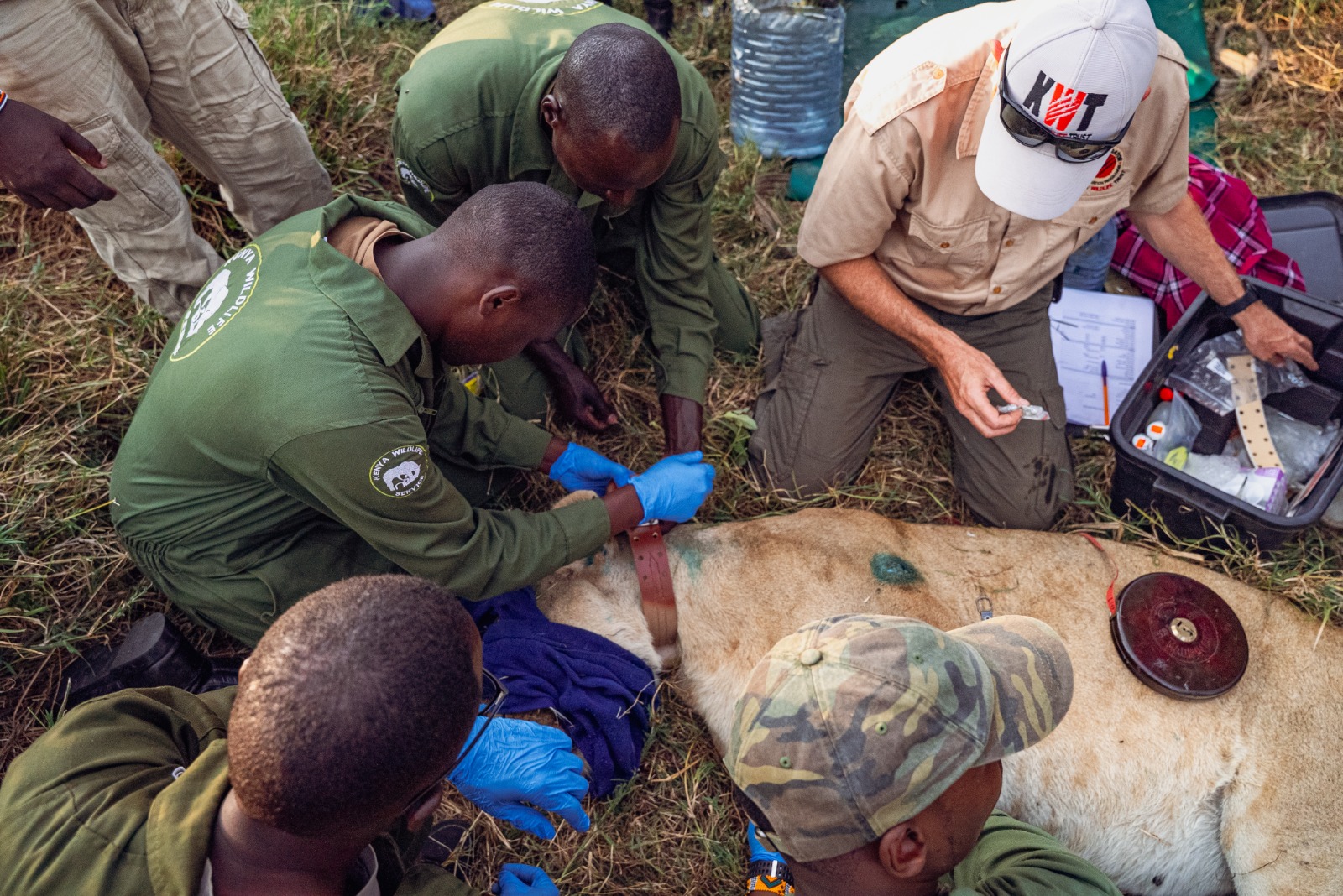
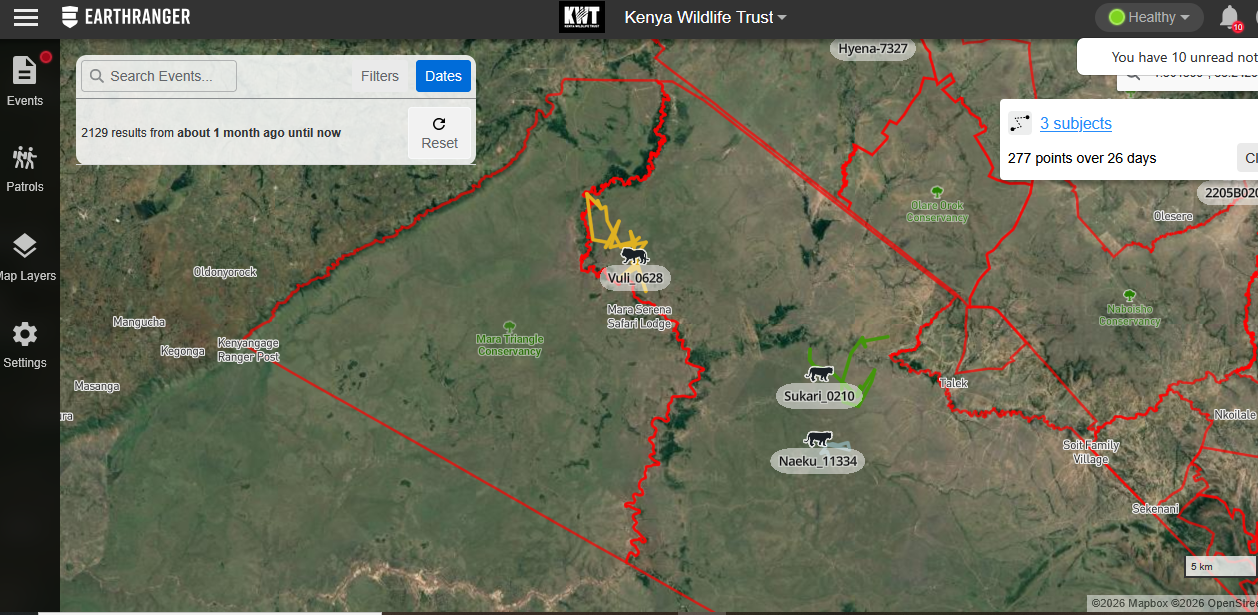
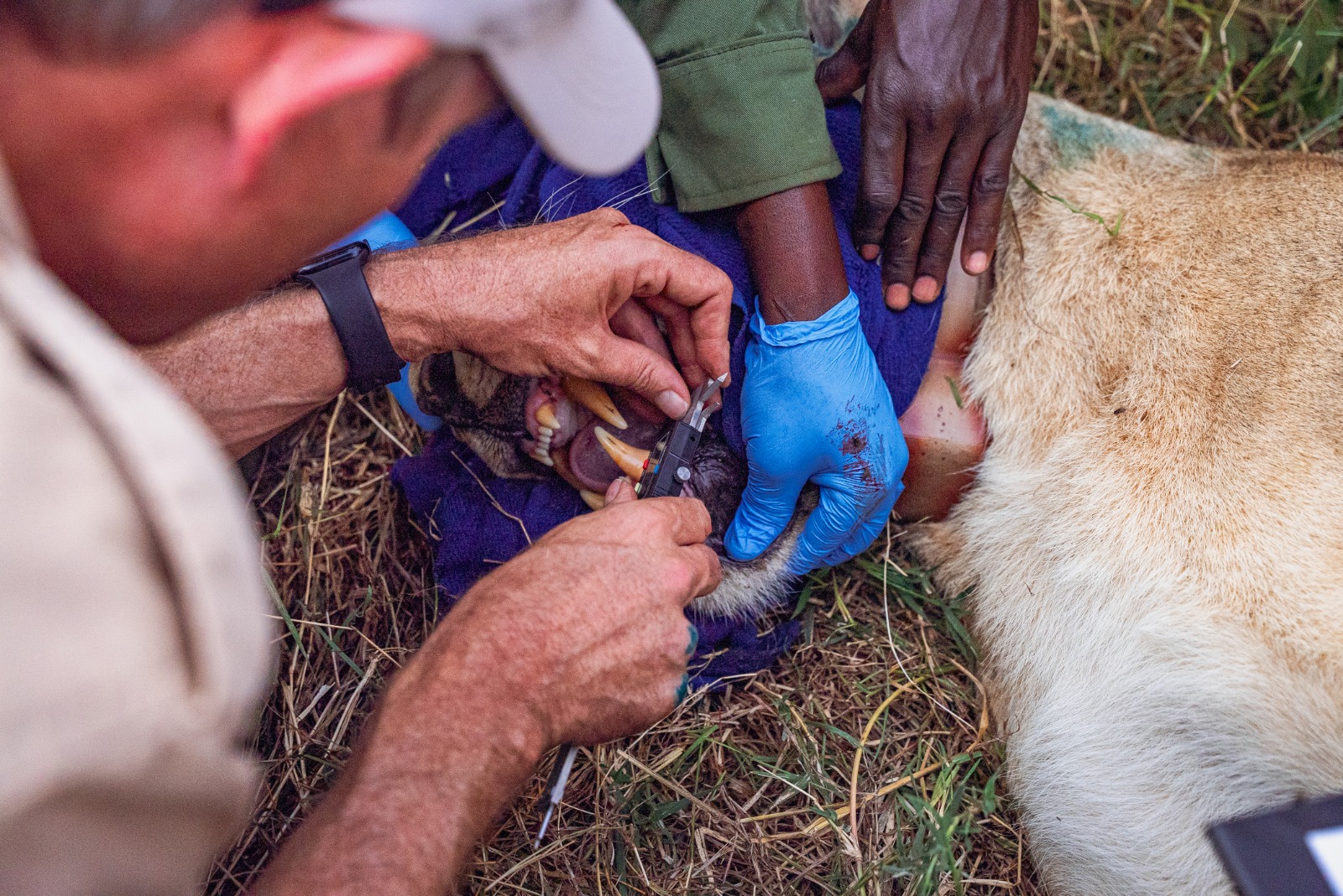
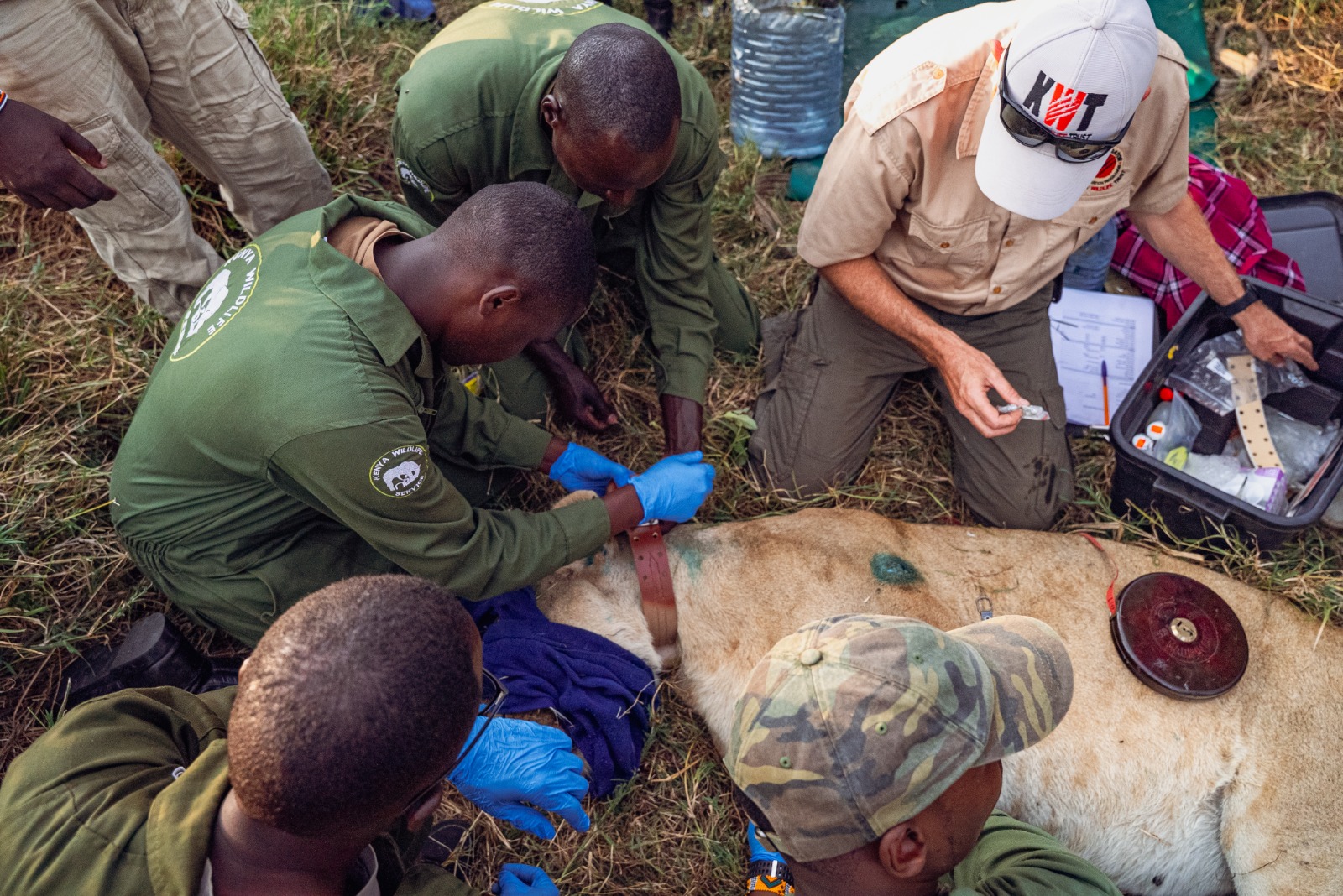
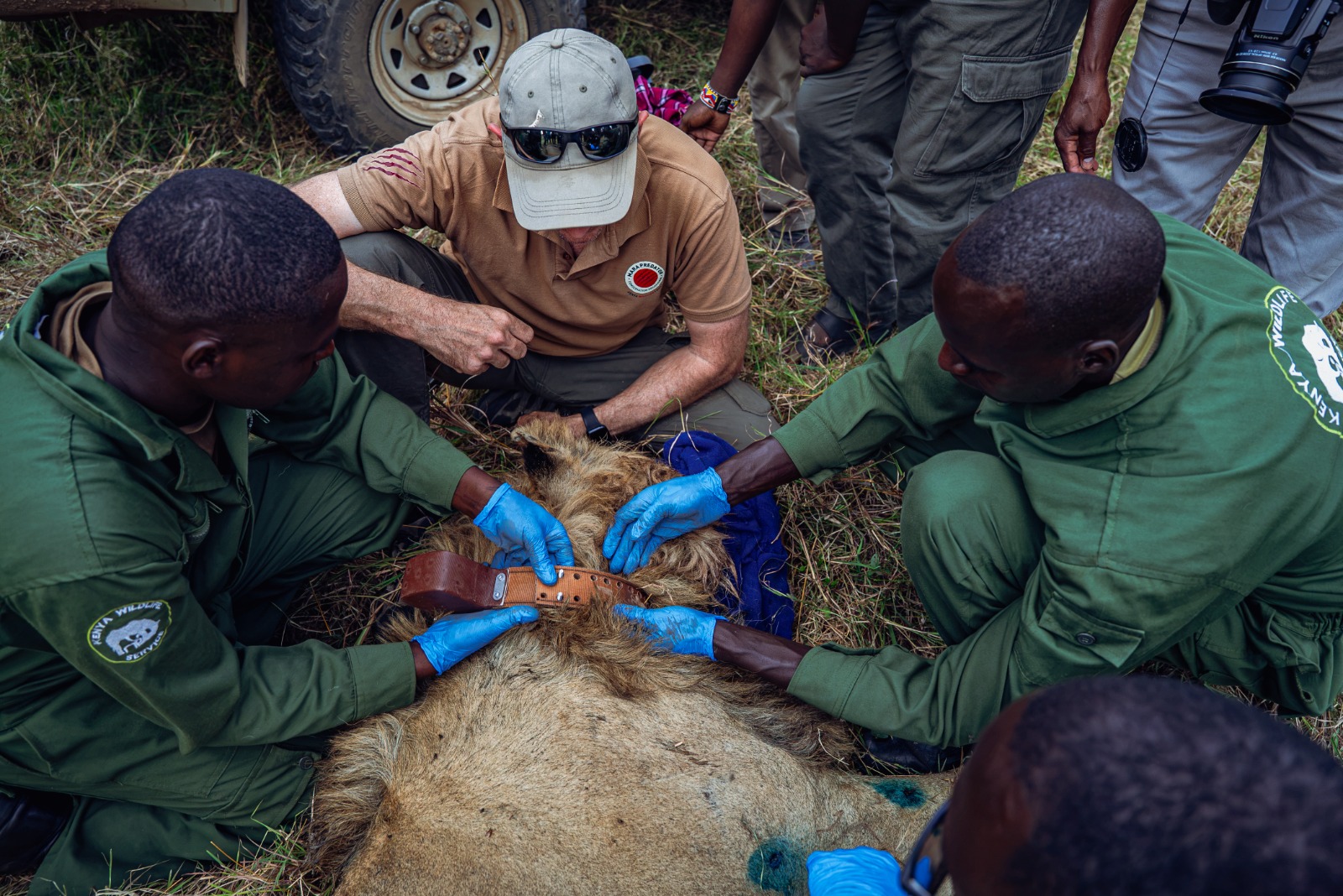
The three lions were selected by the Reserve’s sector wardens because they are associated with areas where conflict with livestock is likely to occur:
- Sukari (Fig Tree Pride): Received a replacement collar. The pride faces increasing pressure from human activities and territorial competition.
- Naeku (Rongai Pride): Collared to monitor seasonal movements. While they currently benefit from the migration, they are expected to shift to livestock grazing areas once the migration ends.
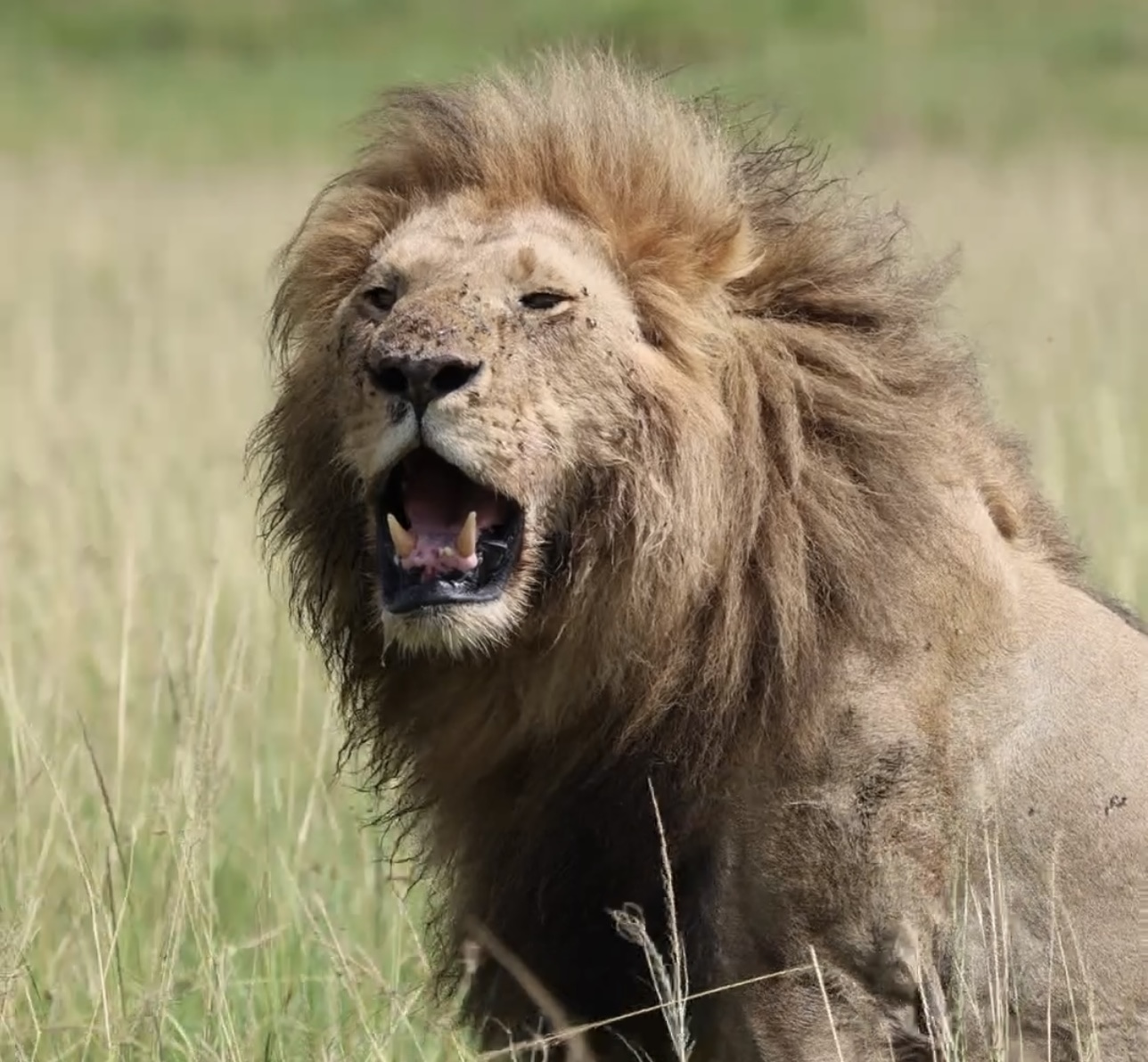
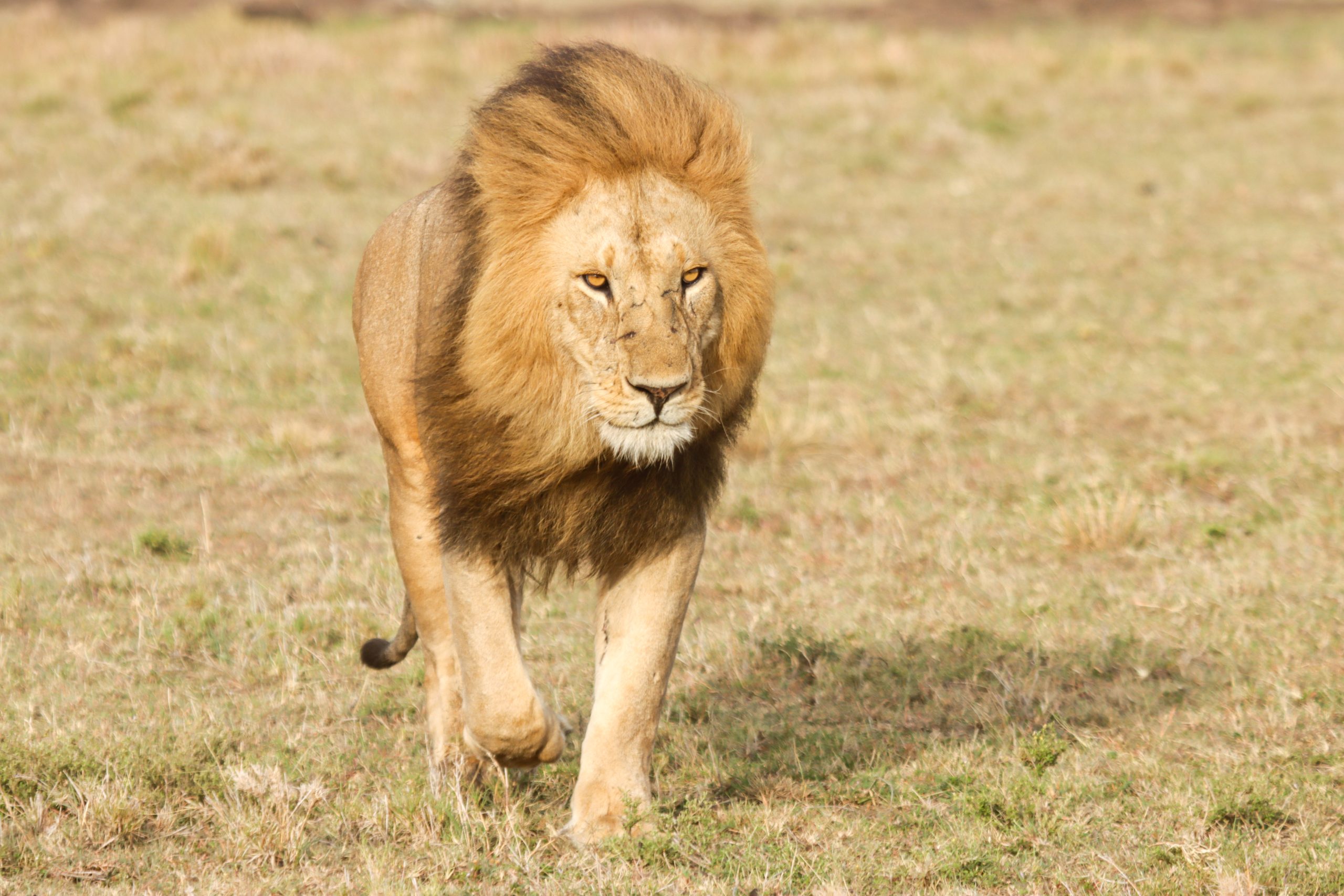
- Vuli (Topi Coalition): Collared because he often ranges independently of his brothers. This will help rangers respond proactively in an area where the coalition has previously been involved in livestock conflict.
As the LoRa network gradually expands to provide greater coverage across the ecosystem, the vision is to equip additional species with these tags, providing conservation managers with an incredibly powerful real-time monitoring system.
A huge thank you to The Safari Collection, the Safari Collection Footprint Trust, Narok County Government, Connected Conservation Foundation, and everyone who made this effort possible.
As the Great Migration continues to shape the movements of predators and prey alike, our teams remain on the ground to monitor, protect, and document these Lions and Cheetahs.
Thank you for your continued support of our conservation efforts.
Field updates compiled by Jacob Soit in collaboration with the MPCP research team.
Be Part of the Story
Support Our Work
The stories you read in Predator Watch are made possible by our dedicated team on the ground and the essential tools they use every day. From monitoring lions and cheetahs across extensive territories to ensuring a Lion Ambassador can patrol safely, every aspect of our work requires resources. You can directly support these efforts and become a part of predator conservation in the Greater Mara.
Here’s how your contribution can make a direct impact:
- $50 buys a pair of sturdy boots to keep a Lion Ambassador on patrol.
- $100 purchases one GPS ear tag for a cow, helping us better understand and mitigate human-wildlife conflict.
- $500 provides fuel and maintenance for one of our 4×4 field vehicles for an entire month, keeping our research assistants on the move.
- $2,500 builds one predator-proof, recycled plastic boma (livestock enclosure), protecting livestock and preventing retaliatory killings.
- $5,000 allows us to purchase and deploy one GPS collar on a lion or cheetah, providing invaluable data on their movements.
Every donation makes a difference and allows us to continue this important work.