Predator Watch #26
World Lion Day Special: Securing a future for Lions of the Greater Mara Ecosystem (10th August 2026)
Every day in the wild, a new story is written.
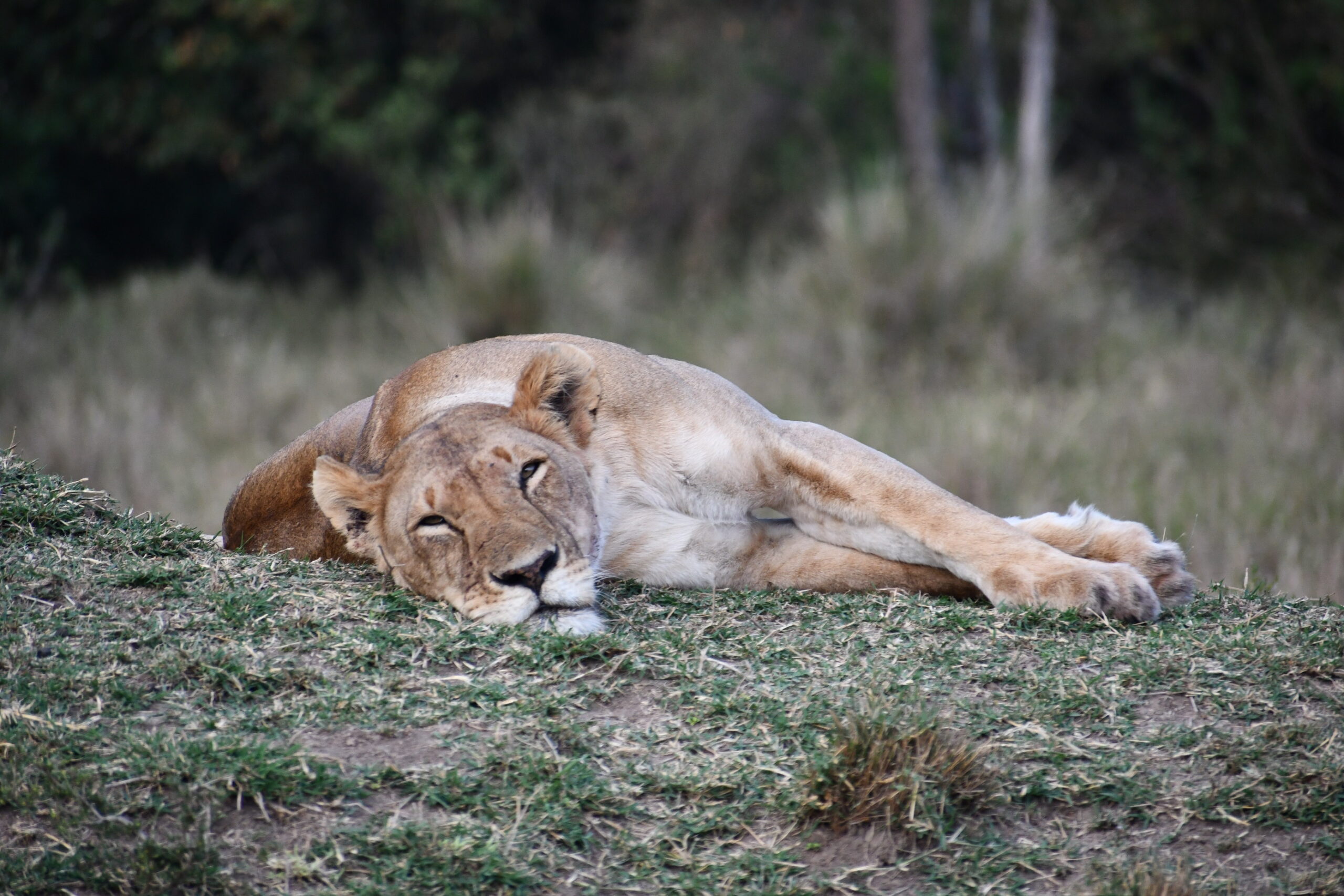
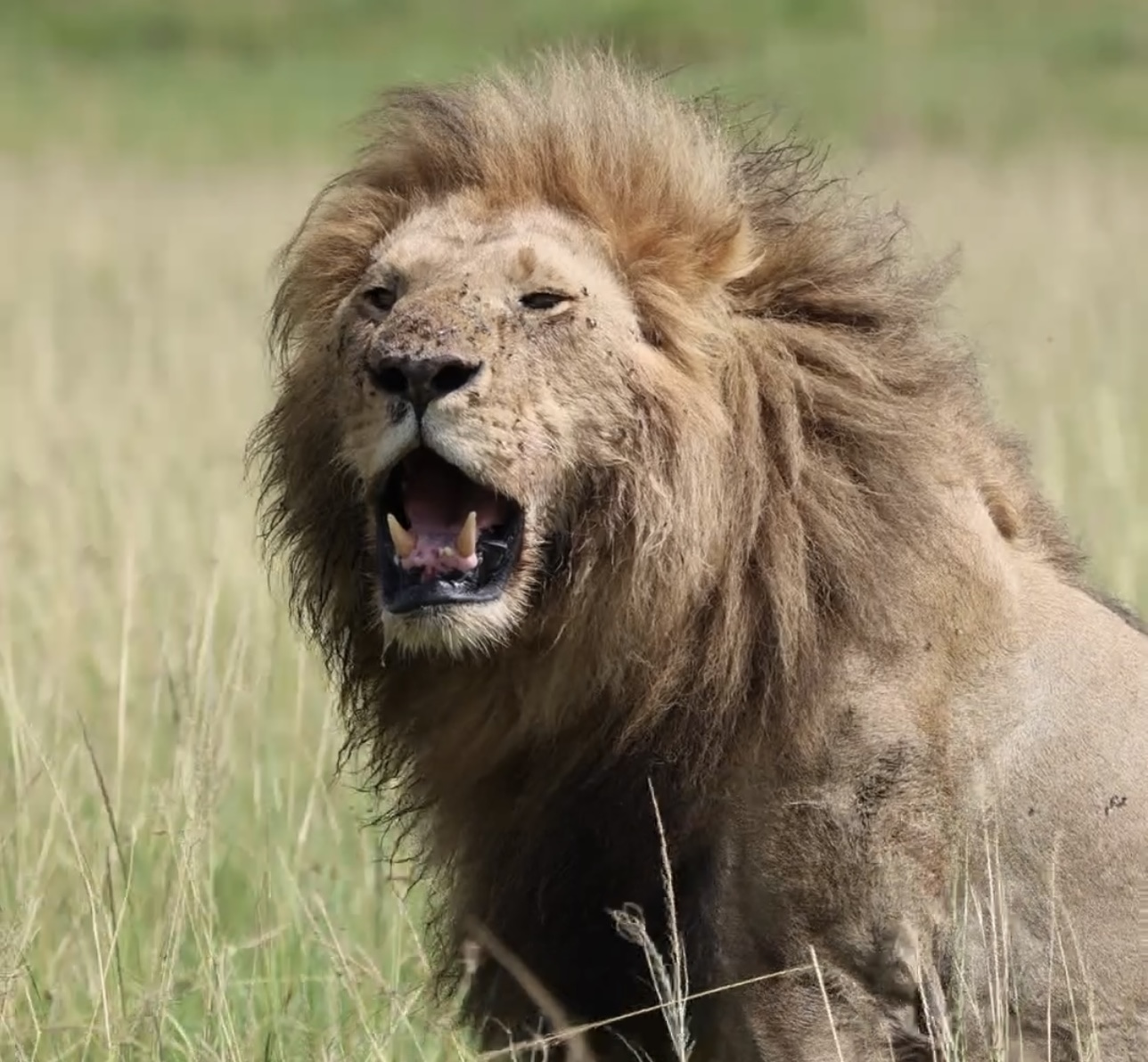
Welcome to the 26th special edition of Predator Watch. Today, we join the global community in celebrating one of the world’s most iconic apex predators.
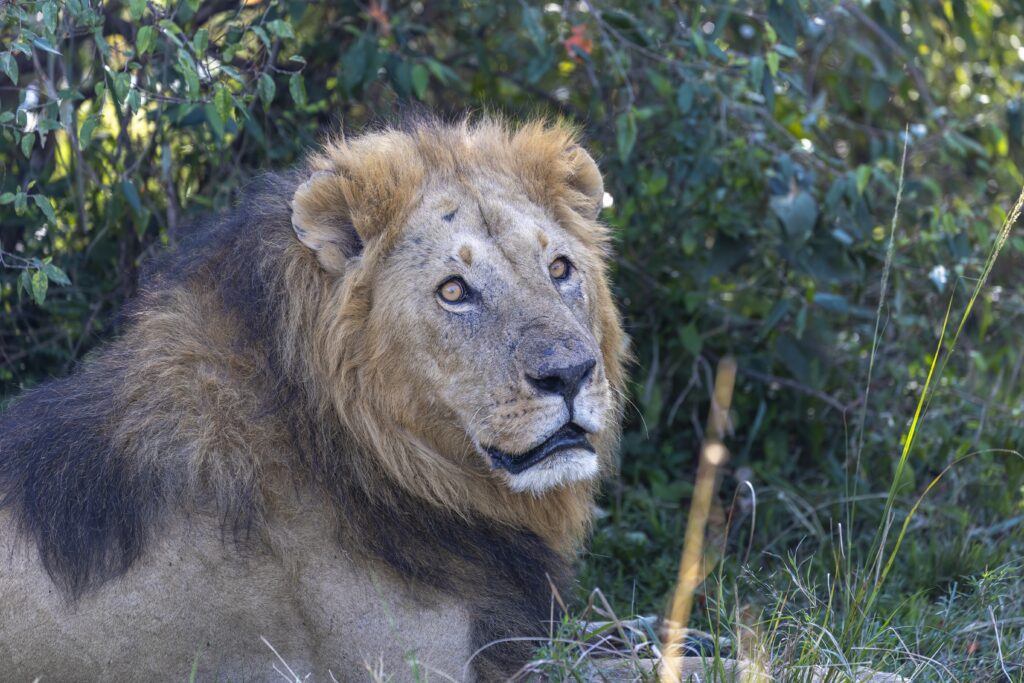
As the human population continues to expand into wildlife habitats, ensuring the long-term survival of lions requires innovative approaches that promote coexistence between people and predators. Within the Greater Mara Ecosystem, Kenya Wildlife Trust’s flagship, the Mara Predator Conservation Programme (MPCP) has embraced technology as a powerful conservation tool, deploying GPS collars on lions whose territories overlap with areas of high human activity and livestock grazing.
These collars provide near-real-time location data, enabling conservation teams to monitor lion movements daily. The true value of this technology lies not only in tracking but also in its proactive use to prevent conflict before it occurs. Whenever a collared lion moves beyond protected areas into community lands, an automatic alert is triggered.
This information is immediately shared with sector wardens and MPCP’s Lion Ambassadors, dedicated community-based conservation officers who work full time alongside local communities. Equipped with these alerts, they can warn herders and residents in advance, giving them time to secure livestock, avoid high-risk grazing zones, and reduce the likelihood of dangerous encounters with lions.
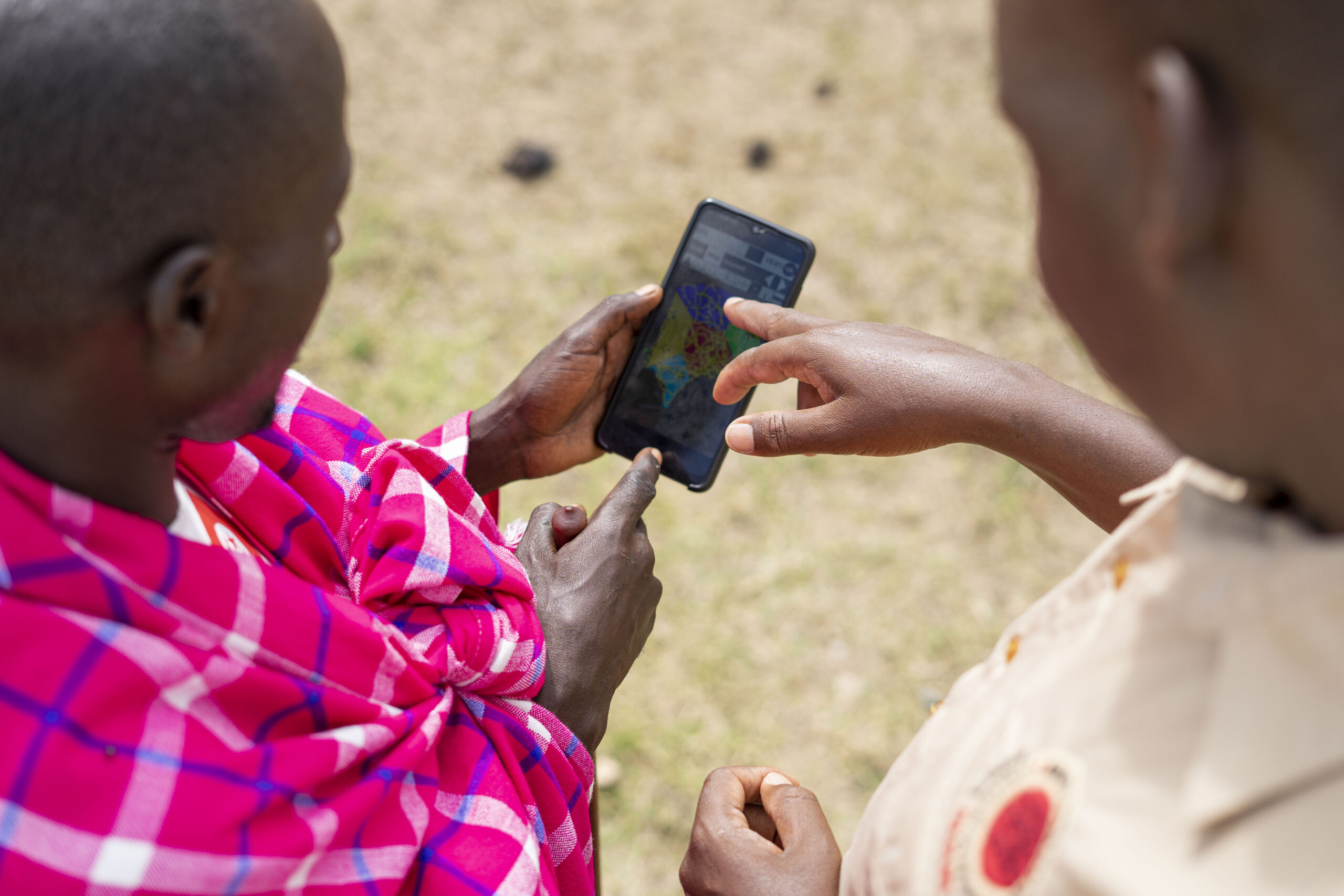
This approach has transformed conflict management from reactive to proactive. Instead of responding after livestock losses, communities now receive timely warnings that help prevent incidents altogether, benefiting both people and lions.
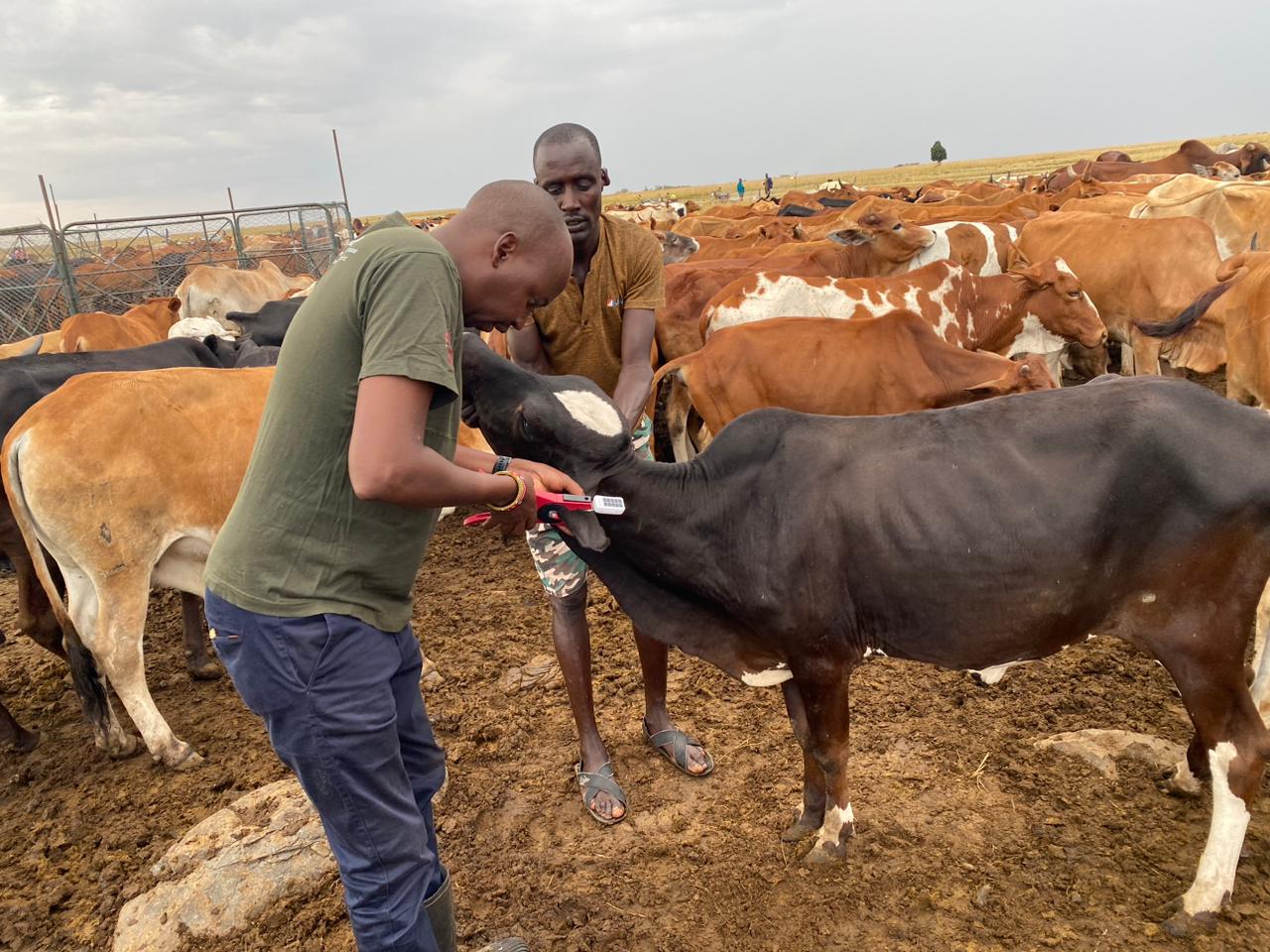
Technology is also playing a critical role within the Mara conservancies. In conservancies practising controlled grazing, livestock herds are fitted with GPS tags that transmit their locations in real time. Rangers and conservancy managers monitor both collared lions and tagged livestock simultaneously. By comparing these datasets, they can redirect grazing herds away from areas where lions are present, significantly reducing lion- livestock interactions.
This integrated monitoring system demonstrates that conservation is not only about protecting wildlife; it is about creating practical solutions that allow people and predators to safely share the This integrated monitoring system demonstrates that conservation is not only about protecting wildlife; it is about creating practical solutions that allow people and predators to safely share the landscape.
On this World Lion Day, we celebrate the power of collaboration, innovation, and community stewardship. GPS collars are far more than tracking devices; they save livestock, reduce retaliation against lions, strengthen trust between communities and conservationists, and help secure a future in which lions continue to roam the Mara’s iconic plains.
This initiative has been made possible through the collaborative efforts of the national wildlife custodians, including Kenya Wildlife Service (KWS), Wildlife Research and Training Institute (WRTI), Narok County Government, and the Masai Mara National Reserve management, together with conservancy management teams, key partners such as The Safari Collection, and the invaluable support of the local Maasai community.
Every alert received, every herd redirected, and every conflict prevented marks another step towards lasting coexistence. If you would like to support our Lion Ambassadors, community outreach, conservation education or our collaring program on this World Lion Day, please consider making a donation to our conservation efforts below.
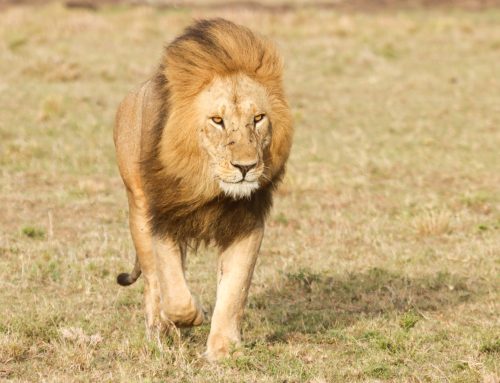
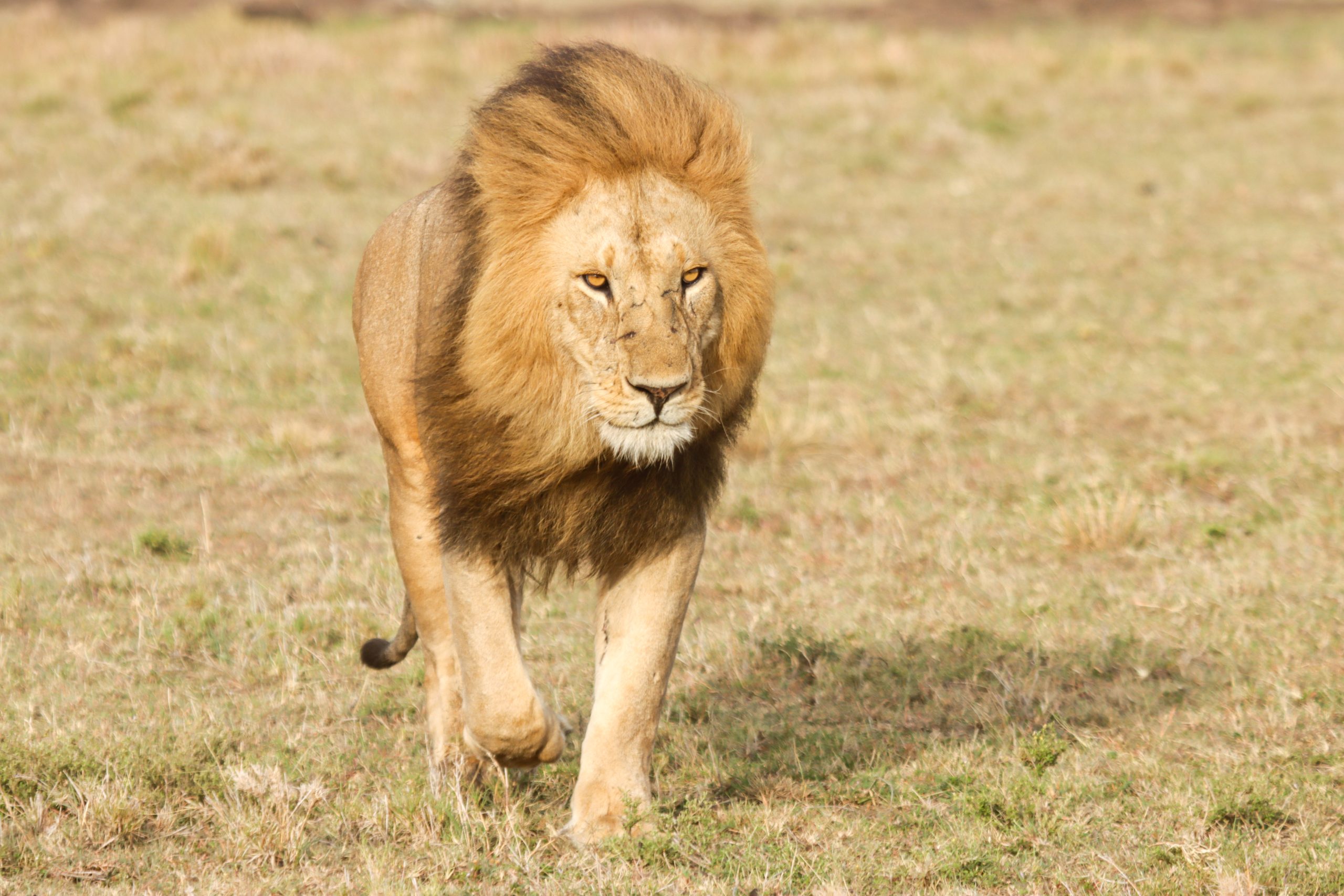
Featured photo © Felix-Studios-Disney-LRF
Be Part of the Story
Support Our Work
The stories you read in Predator Watch are made possible by our dedicated team on the ground and the essential tools they use every day. From monitoring lions and cheetahs across extensive territories to ensuring a Lion Ambassador can patrol safely, every aspect of our work requires resources. You can directly support these efforts and become a part of predator conservation in the Greater Mara.
Here’s how your contribution can make a direct impact:
- $50 buys a pair of sturdy boots to keep a Lion Ambassador on patrol.
- $100 purchases one GPS ear tag for a cow, helping us better understand and mitigate human-wildlife conflict.
- $500 provides fuel and maintenance for one of our 4×4 field vehicles for an entire month, keeping our research assistants on the move.
- $2,500 builds one predator-proof, recycled plastic boma (livestock enclosure), protecting livestock and preventing retaliatory killings.
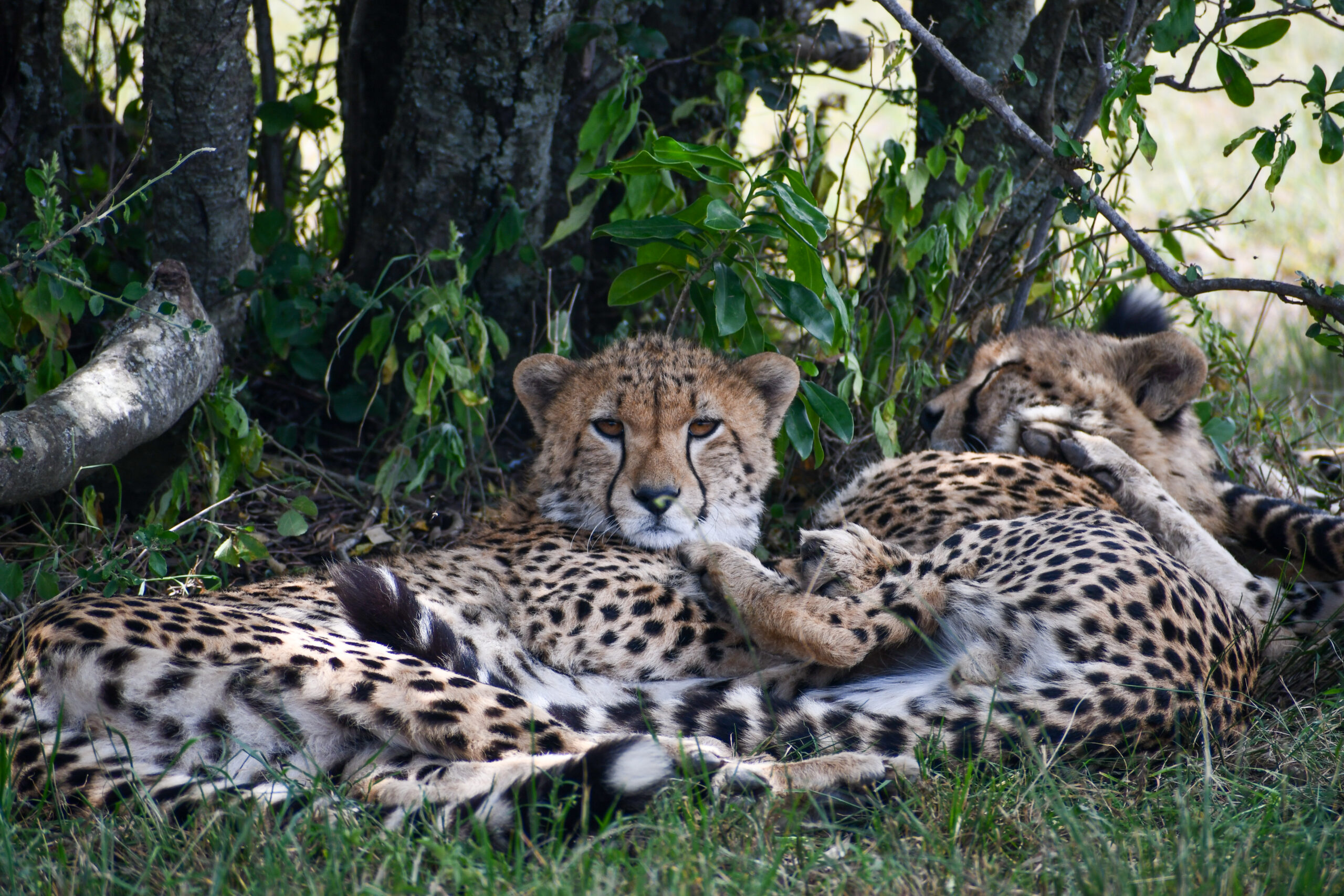
- $5,000 allows us to purchase and deploy one GPS collar on a lion or cheetah, providing invaluable data on their movements.
Every donation makes a difference and allows us to continue this important work.