Predator Watch #24
The Wanderers find a home: Vuli, Kiongozi and the Lemuny Males (1st – 7th June 2026)
Every day in the wild, a new story is written.
Welcome to the 24th edition of Predator Watch. The Maasai Mara is a landscape that constantly tests the resilience of its predators. Survival often requires brutal choices, but it also creates opportunities for unexpected alliances and second chances.
This week, we are bringing you stories of resilience. From two exiled lion brothers finding solace in each other to a young cheetah mother successfully navigating the perilous journey of raising cubs, here are the latest updates from our monitoring teams in the field.
Lemuny Males
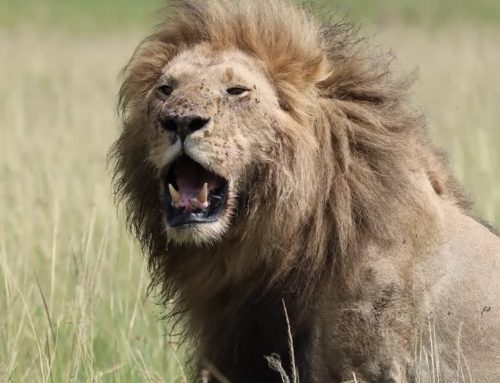
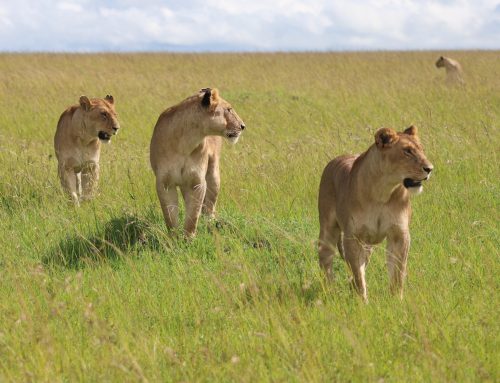
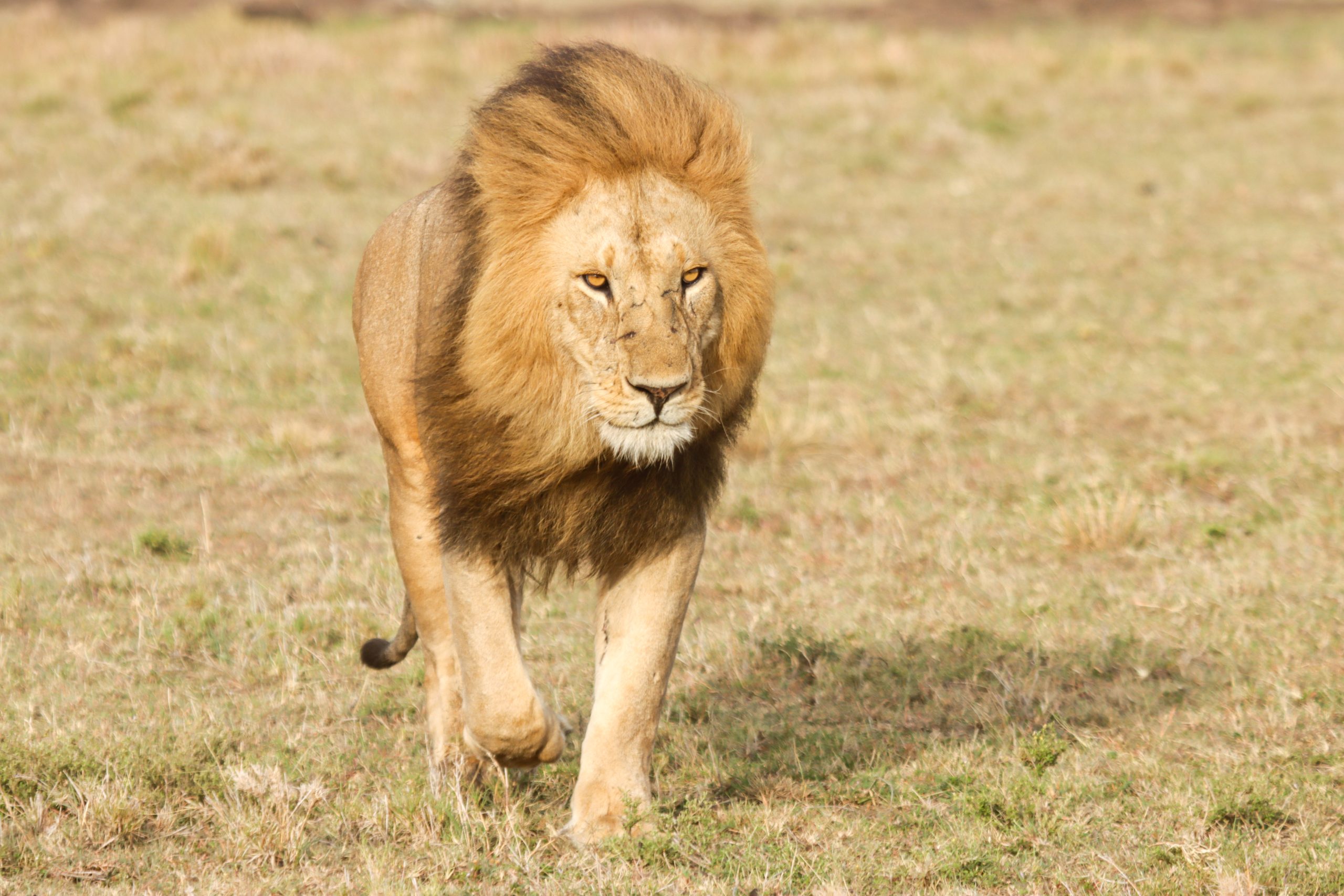
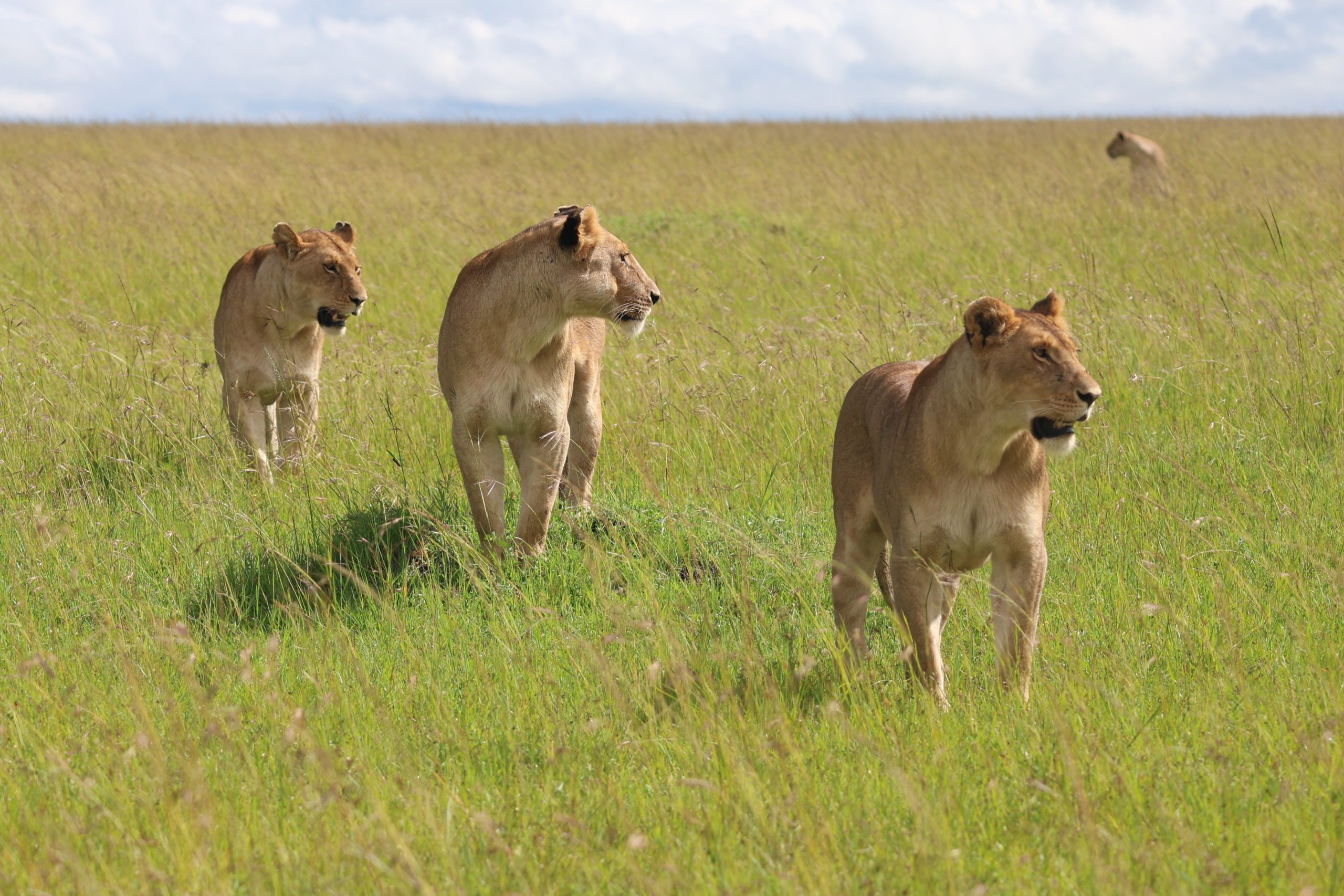
We recently sighted the two Lemuny males in Olarro Conservancy, and they appear to be thriving alongside the Enchipai Pride. The coalition has now produced its first generation of cubs with the pride, marking an important milestone in their journey.
The two males dispersed from Olkinyei Conservancy and are the first known coalition from the Lemuny Pride lineage to successfully settle, establish a territory, and take over a pride. Their success is a remarkable story of survival and perseverance.
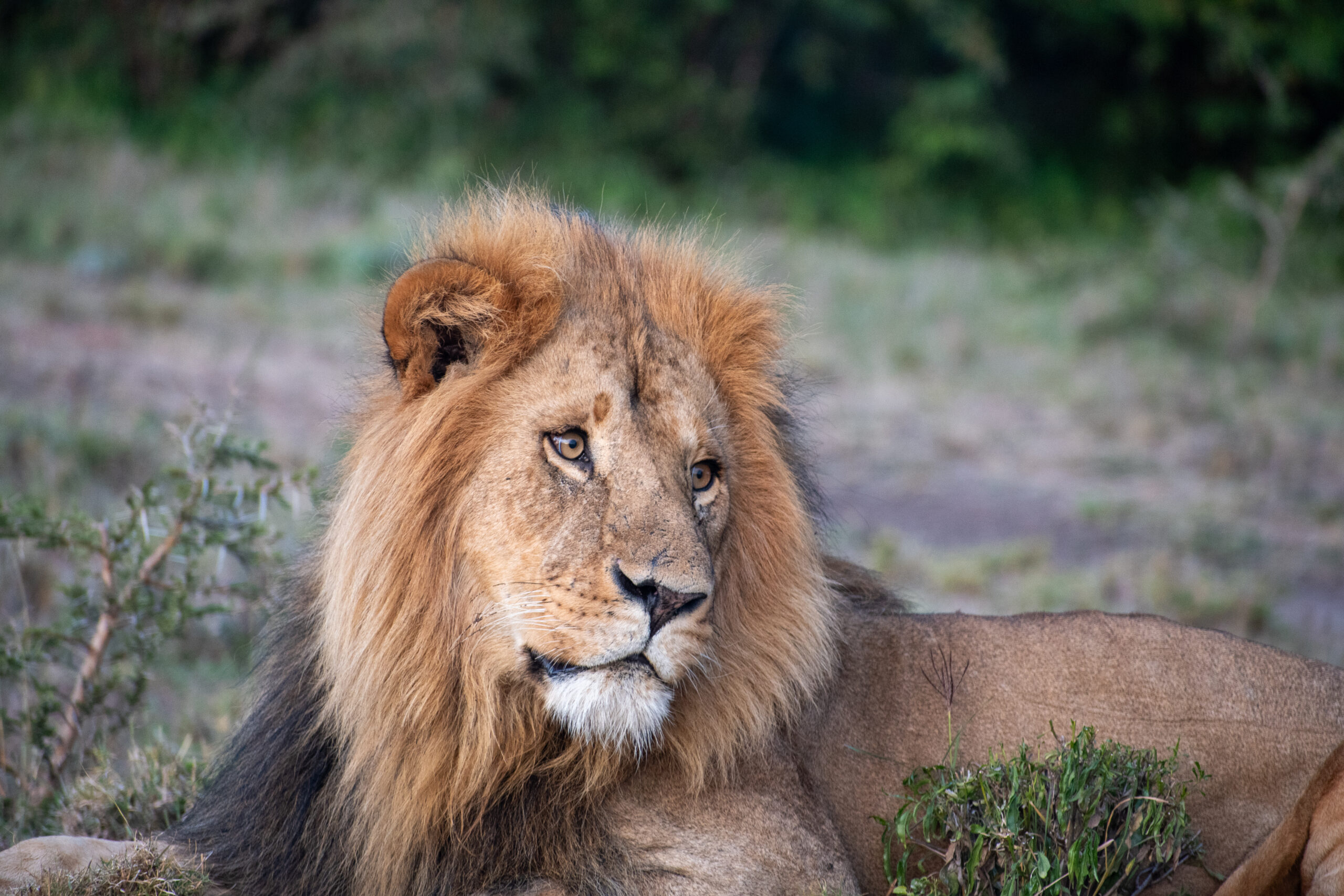
We hope they will help the Enchipai Pride continue to grow and thrive within Olarro Conservancy, a landscape blessed with abundant prey and excellent habitat, yet one where lion numbers have historically remained relatively low.
A new beginning for Vuli and Kiongozi?
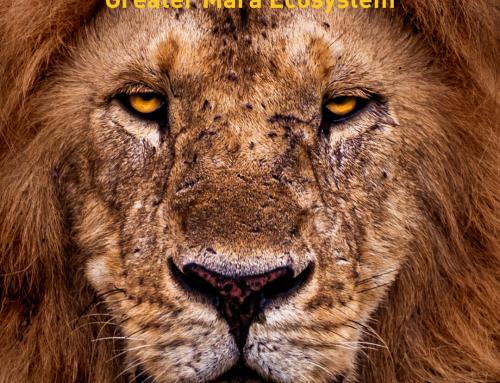
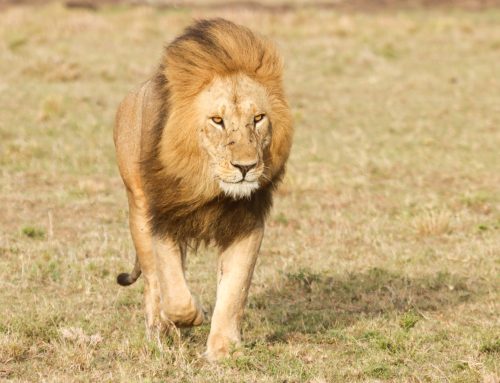
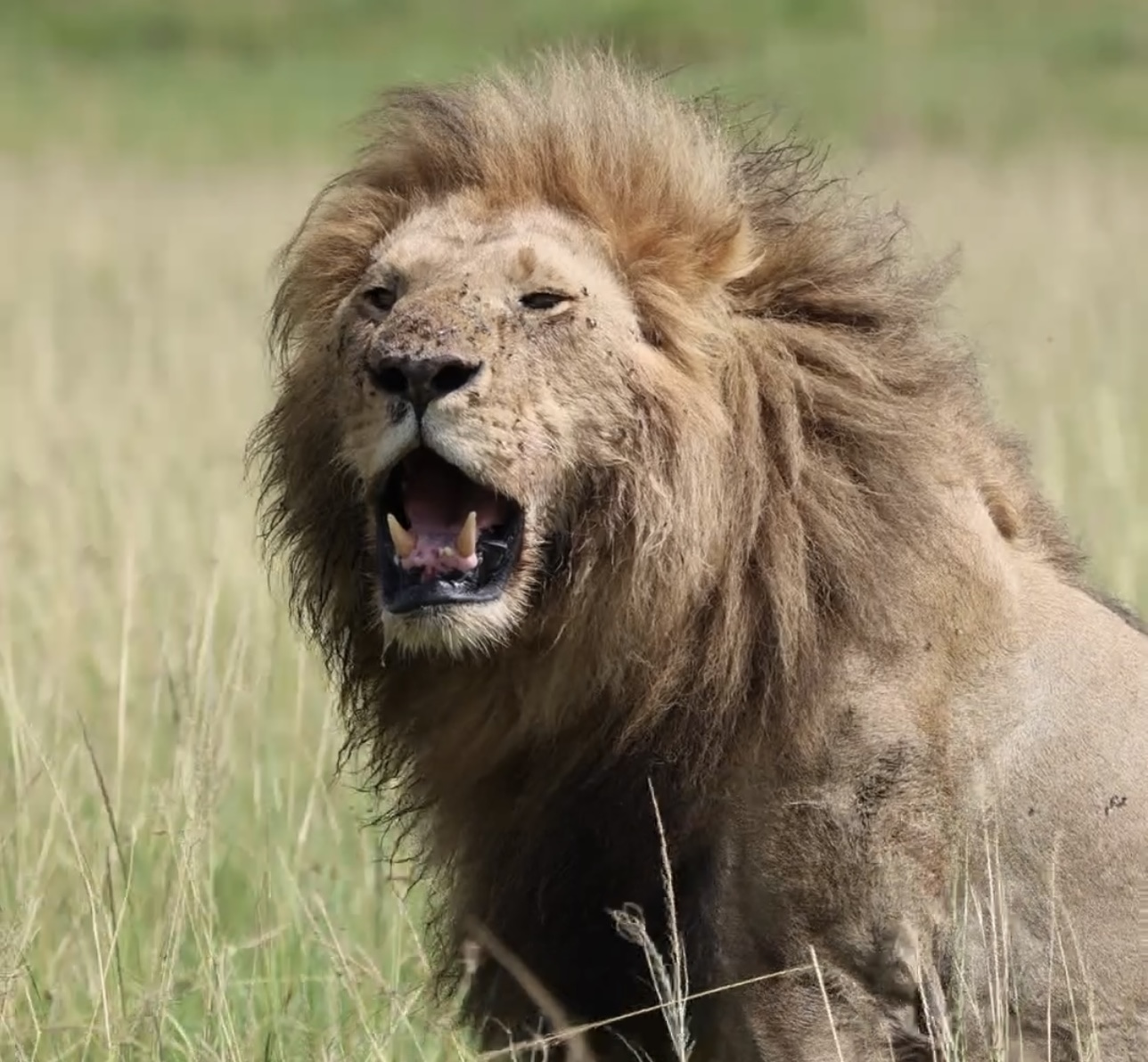
After spending a long period alone following his dispersal, Vuli now appears to be forming a coalition with Kiongozi, the youngest of the famous Topi Boys.
Vuli’s story has been anything but easy. Born into the Topi Pride as one of the original seven Topi Boys, he chose a different path when his brothers dispersed, remaining behind to stay close to his aging mother, Autumn, one of the last surviving founders of the pride.
Following Autumn’s death, Vuli’s relationship with his brothers became increasingly uncertain. At times he was welcomed back into the coalition, while at others he was chased away and drawn into conflict. Eventually, he struck out on his own.
For months, Vuli survived as a solitary nomad between the Marsh and Paradise areas. Guides frequently reported him hunting warthogs, a prey species that likely played a crucial role in helping him survive without the support and protection of a coalition. This week brought an exciting development when we sighted Vuli alongside Kiongozi. The timing is particularly interesting, as Kiongozi reportedly separated from his brothers after a serious confrontation with the coalition about a month ago.
Now, two young males who have both experienced life on the fringes appear to have found companionship in one another. Whether this proves to be a temporary alliance or the beginning of a lasting coalition remains to be seen, but together their chances of survival and future success are undoubtedly far greater.
Cheetah Count
Silantoi Family
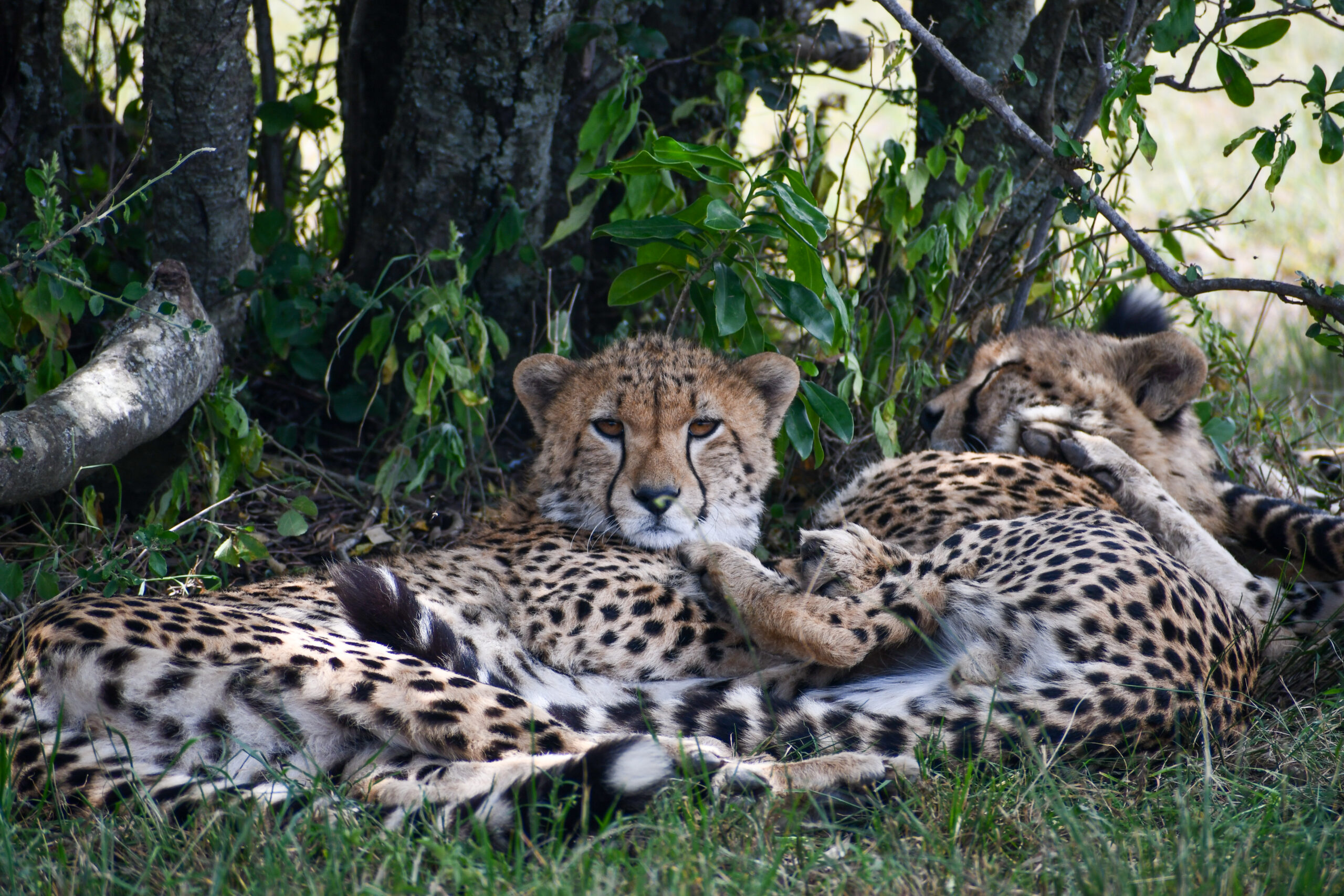
One of the most encouraging cheetah stories in the Maasai Mara continues to unfold in Ol Chorro Conservancy, where Silantoi and her two subadult cubs are thriving.
Born in 2023, Silantoi is the daughter of Kara (Siankiki) and granddaughter of the well-known Sila. Despite spending much of her life in dense brush and frequently disappearing into areas beyond the conservancies, she has proven herself to be an exceptional mother.
Silantoi successfully raised two cubs, a male and a female, through the most vulnerable stages of their lives. Now, both youngsters have grown remarkably and are nearly as large as their mother.
Their survival is a significant achievement in a landscape where cheetah cub mortality remains high and breeding-age females have declined in recent years. Recent sightings show the family continuing to do well together. On one occasion they were observed feeding peacefully side by side, while on another they were seen resting at the hills of Ol Chorro, enjoying a rare moment of calm in the wild.
Stories like these provide a welcome reminder that, despite the many challenges facing cheetahs in the Mara, successful mothers such as Silantoi continue to give hope for the future of the population.
Conservation News and Updates
Tracking corridors beyond borders
Whether it is the Lemuny males dispersing into Olarro, Vuli wandering as a nomad, or Silantoi vanishing into the brush outside the conservancies, one thing is clear: wildlife does not recognize borders.
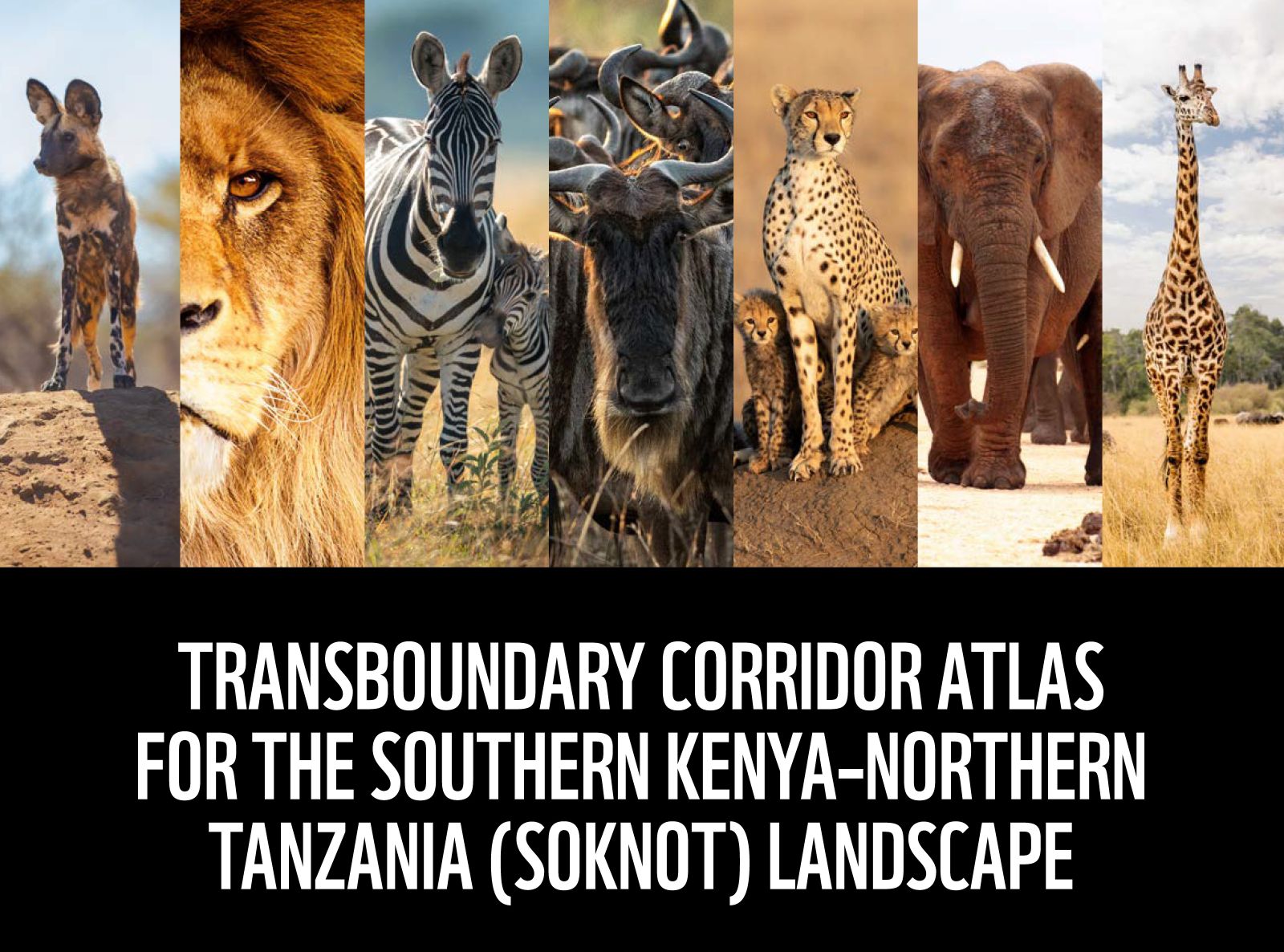
For these species to survive, our conservation strategies cannot afford to recognize them either. To ensure these predators can safely undertake these journeys, we are proud to share that MPCP’s daily monitoring data has helped build a new tool: the Transboundary Corridor Atlas for the SOKNOT Landscape (Southern Kenya–Northern Tanzania).
Developed by scientists from the Center for Large Landscape Conservation in partnership with WWF and other regional partners, including the Kenya Wildlife Trust (KWT), this Atlas is a step forward for data-driven conservation.
KWT helped map 24 critical wildlife corridors for species including the lion, cheetah, and African wild dog by sharing our long-term movement and presence data from the Greater Mara. The data we collect from the field tells us that 13 of these corridors are currently functionally connected, but they require immediate, collaborative protection to stay that way.
Every GPS point we track and every field update we share contribute to this baseline data, offering actionable recommendations for governments, NGOs, and local communities to conserve these shared landscapes.
As we monitor the adaptability of a lone lion hunting warthogs or celebrate the survival of cheetah cubs, our work is only possible with boots on the ground.
Thank you for continuing to follow the complex, ever-unfolding stories of the Mara’s predators. If you would like to support our ongoing monitoring and conservation efforts, please consider making a donation below.
Field updates compiled by Jacob Soit in collaboration with the MPCP research team.
Be Part of the Story
Support Our Work
The stories you read in Predator Watch are made possible by our dedicated team on the ground and the essential tools they use every day. From monitoring lions and cheetahs across extensive territories to ensuring a Lion Ambassador can patrol safely, every aspect of our work requires resources. You can directly support these efforts and become a part of predator conservation in the Greater Mara.
Here’s how your contribution can make a direct impact:
- $50 buys a pair of sturdy boots to keep a Lion Ambassador on patrol.
- $100 purchases one GPS ear tag for a cow, helping us better understand and mitigate human-wildlife conflict.
- $500 provides fuel and maintenance for one of our 4×4 field vehicles for an entire month, keeping our research assistants on the move.
- $2,500 builds one predator-proof, recycled plastic boma (livestock enclosure), protecting livestock and preventing retaliatory killings.
- $5,000 allows us to purchase and deploy one GPS collar on a lion or cheetah, providing invaluable data on their movements.
Every donation makes a difference and allows us to continue this important work.