Predator Watch #23
The Rise of the R5 males and new horizons for Sadala (25th – 31st May 2026)
Every day in the wild, a new story is written.
Welcome to the 23rd edition of Predator Watch. The Maasai Mara is a landscape of constant change, and this week we are observing fascinating shifts in the power dynamics of its lion prides. As an older generation of legendary males faces ambitious young challengers, history seems to be repeating itself on the plains.
Meanwhile, we celebrate an important milestone for a young cheetah stepping into the National Reserve for the very first time. Here is the latest from the field.
Territorial Takeovers
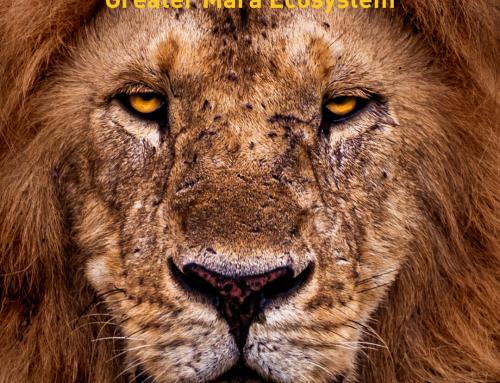
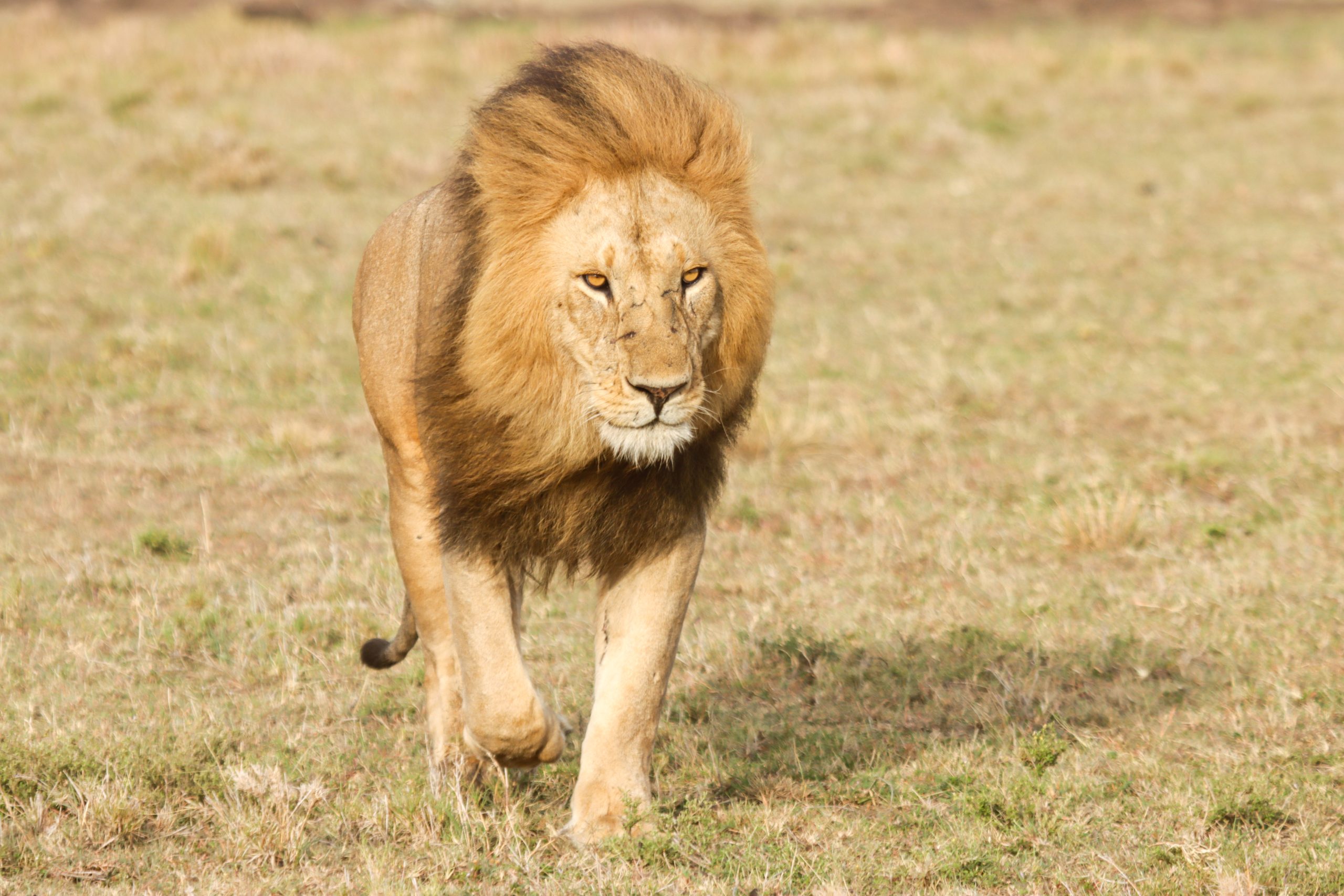
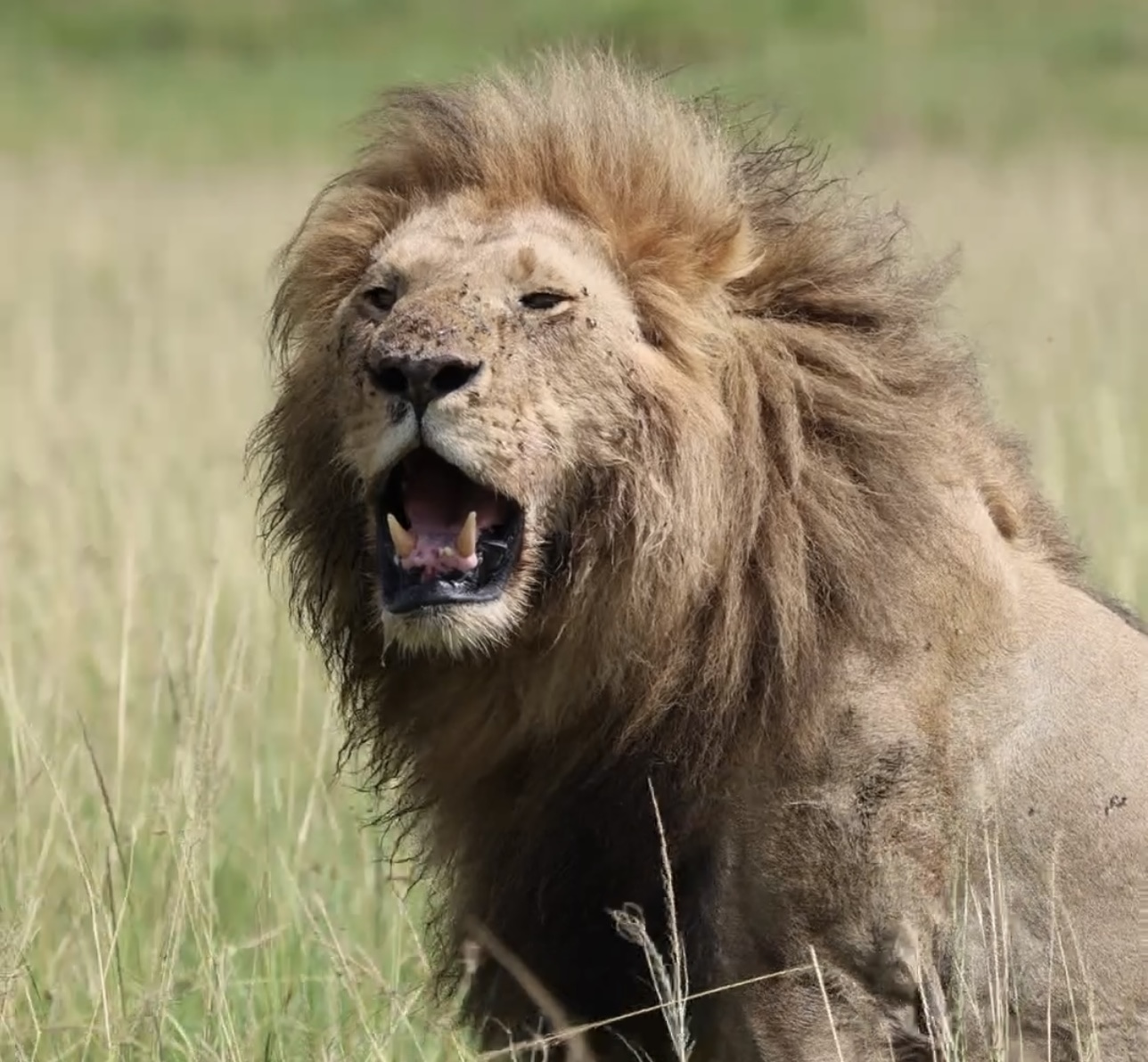
The Serena Rongai dispersing males appear to have set their sights on the Rekero Pride territory and are steadily gaining ground. The pride is currently ruled by the legendary Bila Shaka males, better known as the 6 Pack. However, at around 12 years of age, the old warriors are increasingly facing pressure from a new generation of ambitious challengers.
Interestingly, this situation mirrors events from late 2024, when the Topi Boys gradually took over the Marsh Pride. That takeover began subtly, with Marsh females Kaleo and the late Dada regularly mating with the young males long before the territorial shift became obvious.
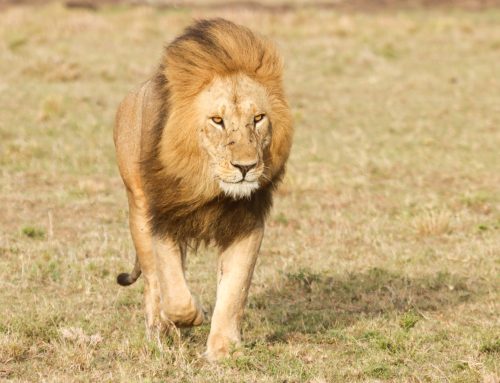
Now history may be repeating itself. Nalang’u and another Rekero female have recently been seen mating with the Serena Rongai subadults, known as the R5. Born and raised in the Serena-Rongai area, these young males have developed into an impressive coalition and are beginning to test the strength of established pride males. Their growing confidence and increasing presence within Rekero territory suggest that a major challenge may be on the horizon.
An Interesting Affair
One of the most intriguing lion sightings in recent weeks involved Oloimina, the last surviving Black Rock male, mating with Nenkai, one of the four females that make up the Topi Breakaway Pride.
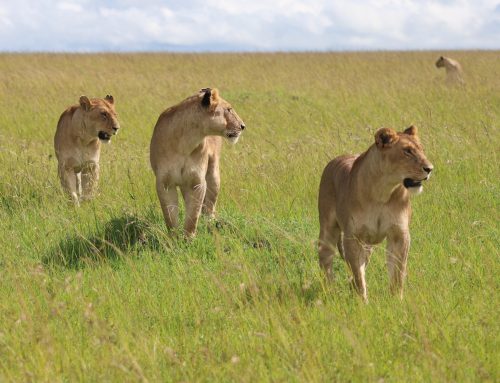
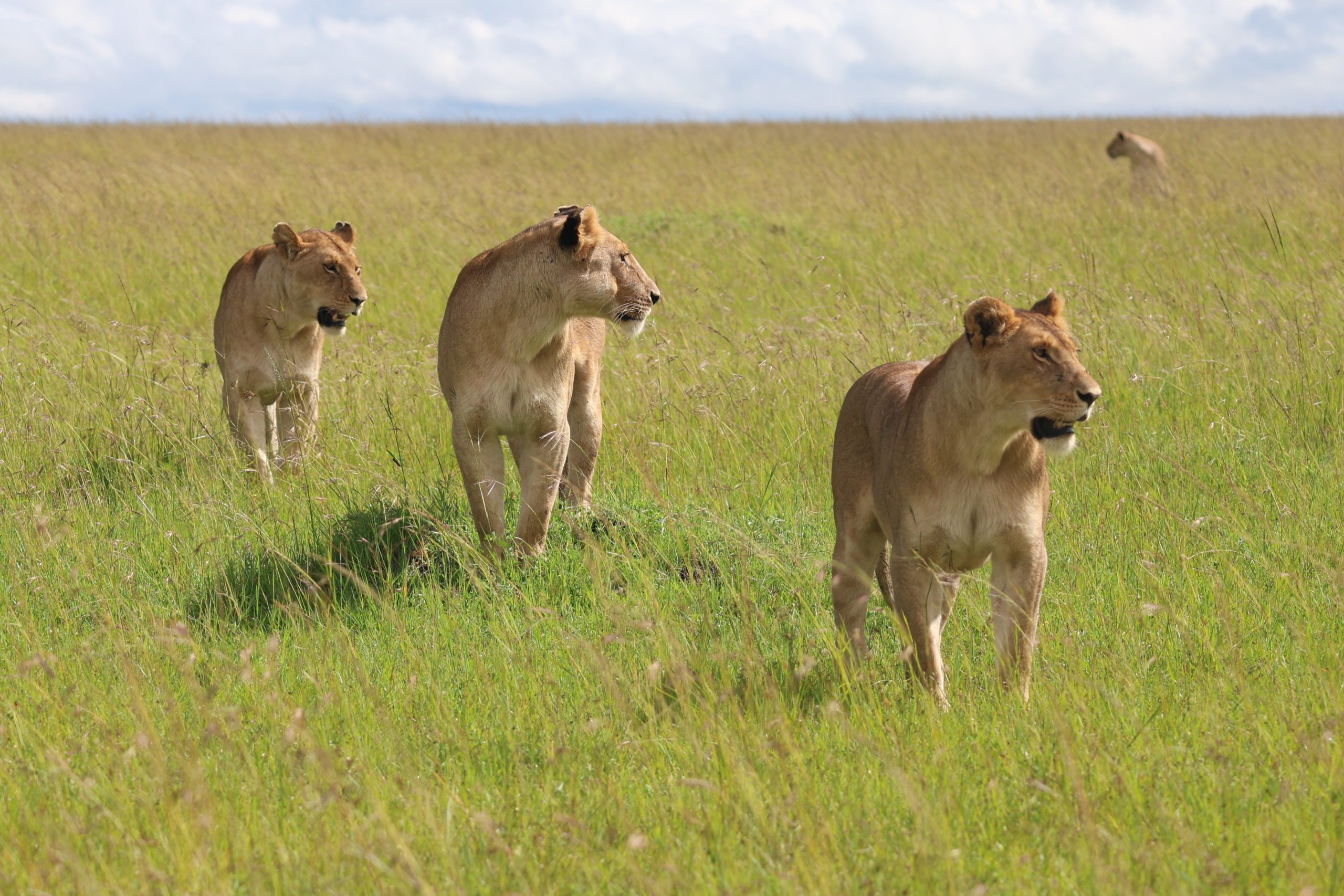
The Topi Breakaway females split from the main Topi Pride in 2024. Three are currently raising cubs sired by Orkuret and his former coalition partner, Lemoniko. Nenkai is the only female in the group without cubs.
Their story took a dramatic turn last September when Lemoniko was killed during a territorial fight. Unable to maintain control of the area alone, Orkuret became nomadic, leaving the females and their cubs without resident pride males. Over time, they came under the protection of the Salas males, who also happen to be the fathers of the breakaway females themselves.
This is what makes the recent sighting so fascinating. Oloimina currently holds territory with the Serena Rongai and Fig Tree prides, while Orkuret has recently formed a new coalition with Oloimina after months of living as a nomad. Seeing Oloimina mating with Nenkai raises interesting questions about the future dynamics of the Topi Breakaway Pride and how this newly formed coalition may shape events in the months ahead.
Cheetah Count
Kulete and Sadala
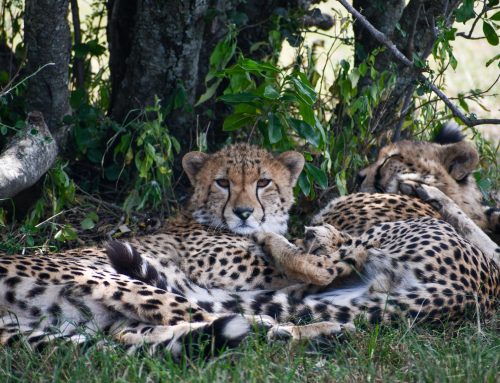
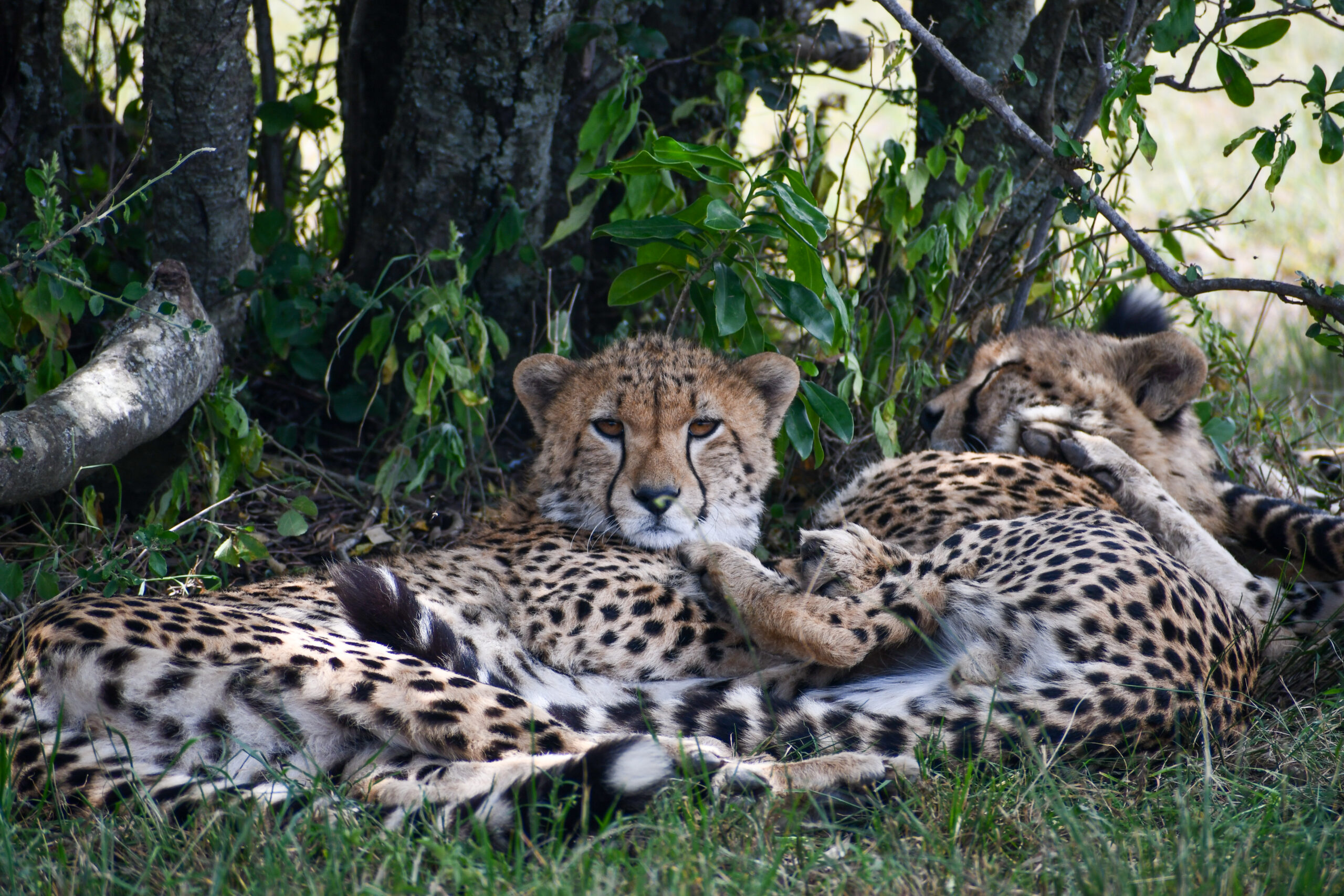
Amani’s daughter Kulete and Kulete’s one-year-old son Sadala, whose name means ‘playful one’ in Maa, continue to do remarkably well. For most of Sadala’s life, the pair had remained within Mara North Conservancy, an unusual pattern for cheetahs living in the Mara conservancy landscape, where individuals often move between neighboring conservancies.
Recently, however, Kulete decided it was time to venture beyond her familiar grounds. She first moved from Mara North Conservancy into Olare-Motorogi Conservancy (OMC), where she spent about a week exploring the area with Sadala. Shortly afterward, the pair crossed into the Maasai Mara National Reserve, where they have been moving around the Olkiombo area and close to Mpuai Gate.Recently, however, Kulete decided it was time to venture beyond her familiar grounds. She first moved from Mara North Conservancy into Olare-Motorogi Conservancy (OMC), where she spent about a week exploring the area with Sadala. Shortly afterward, the pair crossed into the Maasai Mara National Reserve, where they have been moving around the Olkiombo area and close to Mpuai Gate.
This marks an important milestone in Sadala’s life. Having spent his entire upbringing in the relatively quieter conservancies, this is his first experience in the National Reserve, an environment characterized by a much higher density of tourist. Like many young cheetahs before him, Sadala will now have to learn how to navigate and adapt to this new setting while continuing to develop the skills he will need for independence.
While we are watching changing of the guard in Rekero Pride and a young cheetah exploring new territory, the Mara never ceases to amaze. Thank you for your continued support as we monitor these unfolding stories.
Field updates compiled by Jacob Soit in collaboration with the MPCP research team.
Be Part of the Story
Support Our Work
The stories you read in Predator Watch are made possible by our dedicated team on the ground and the essential tools they use every day. From monitoring lions and cheetahs across extensive territories to ensuring a Lion Ambassador can patrol safely, every aspect of our work requires resources. You can directly support these efforts and become a part of predator conservation in the Greater Mara.
Here’s how your contribution can make a direct impact:
- $50 buys a pair of sturdy boots to keep a Lion Ambassador on patrol.
- $100 purchases one GPS ear tag for a cow, helping us better understand and mitigate human-wildlife conflict.
- $500 provides fuel and maintenance for one of our 4×4 field vehicles for an entire month, keeping our research assistants on the move.
- $2,500 builds one predator-proof, recycled plastic boma (livestock enclosure), protecting livestock and preventing retaliatory killings.
- $5,000 allows us to purchase and deploy one GPS collar on a lion or cheetah, providing invaluable data on their movements.
Every donation makes a difference and allows us to continue this important work.