Predator Watch #27
Pride turnover, a 16-year-old matriarch, and Nabaya’s four cubs (6th – 12th September)
Every day in the wild, a new story is written.
Welcome to the 27th edition of Predator Watch. Across the Greater Mara Ecosystem, our research vehicles and teams are currently in our Intensive Monitoring Session (IMS), now midway through its second month. Long days on the landscape conducting individual ID tracking give us a look at how dynamic, fragile, and resilient life is for the Mara’s apex predators.
Along Mara River, shifting male coalitions continue to test the endurance of resident lionesses, while across the hills of Olarro, an experienced cheetah mother starts a new journey.
Here are the latest findings from our ongoing IMS on the Mara River Pride and Nabaya’s growing family.
The Mara River Pride and Shifting Coalitions
The Mara River Pride ranges within the Mara Triangle, with its core territory extending along the Mara River from Oloololo and Kichwa Tembo towards the airstrip and Little Governors’ Camp.
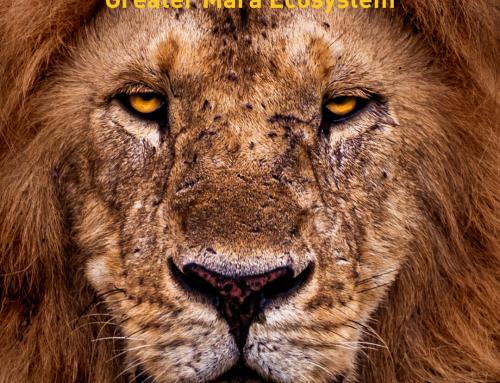
The pride has experienced repeated challenges in successfully raising cubs, likely influenced by frequent changes in male tenure. Males have been observed siring cubs before being displaced by incoming coalitions, sometimes before their offspring reach independence. Such turnover can leave young cubs particularly vulnerable when new males take over a pride.
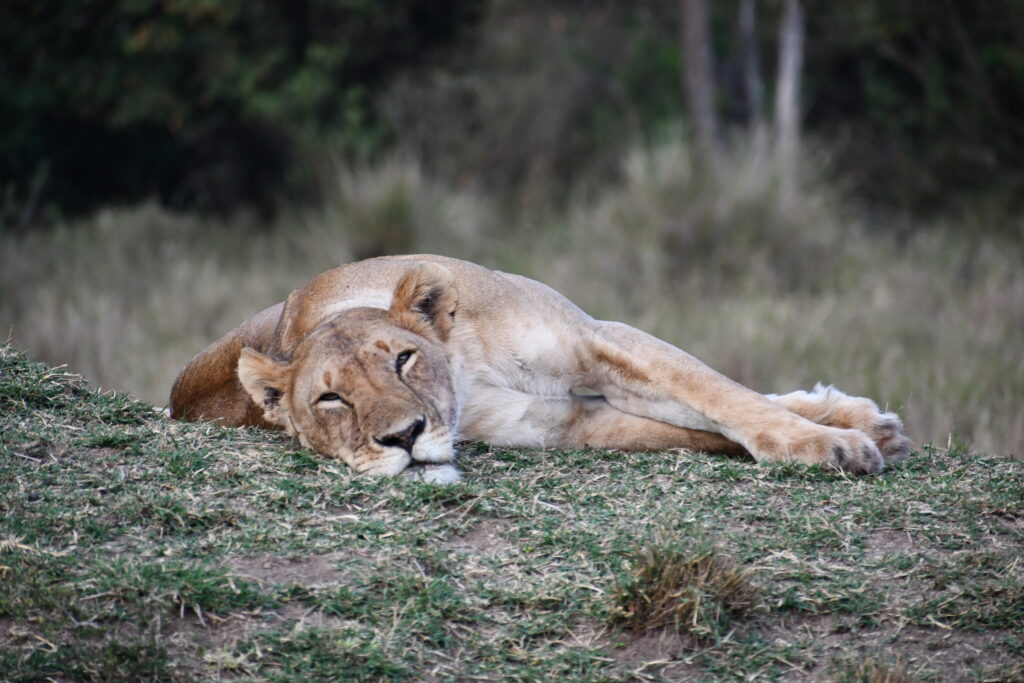
A recent sighting recorded nine members, including five adult females. Remarkably, one of the pride’s oldest females, estimated to be around 16 years old, remains in good physical condition.
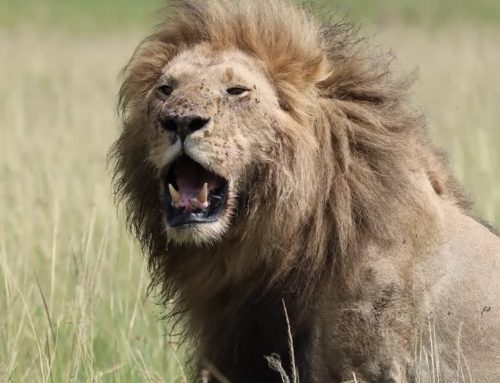
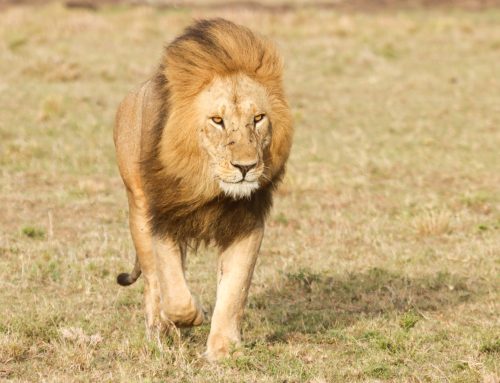
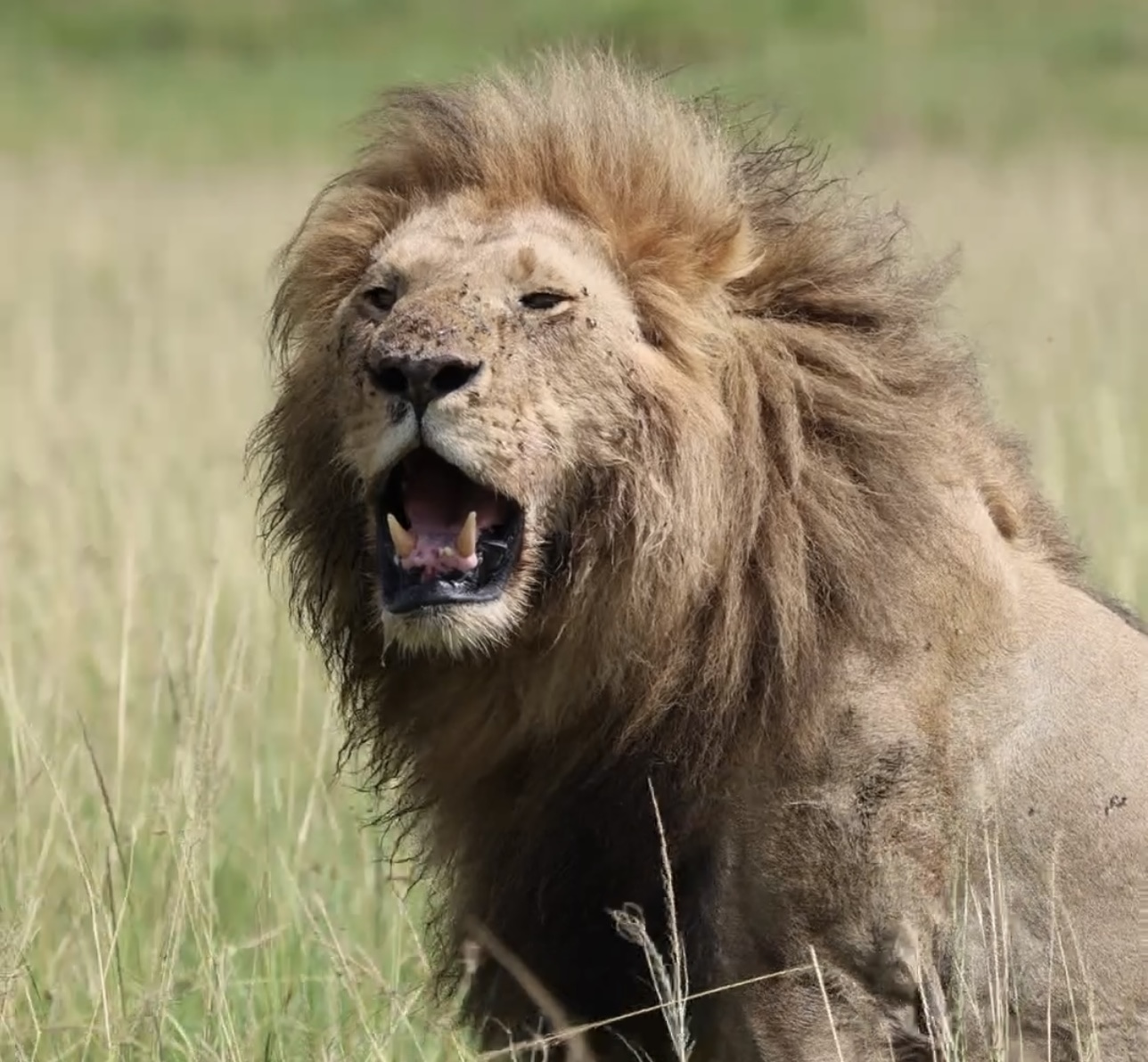
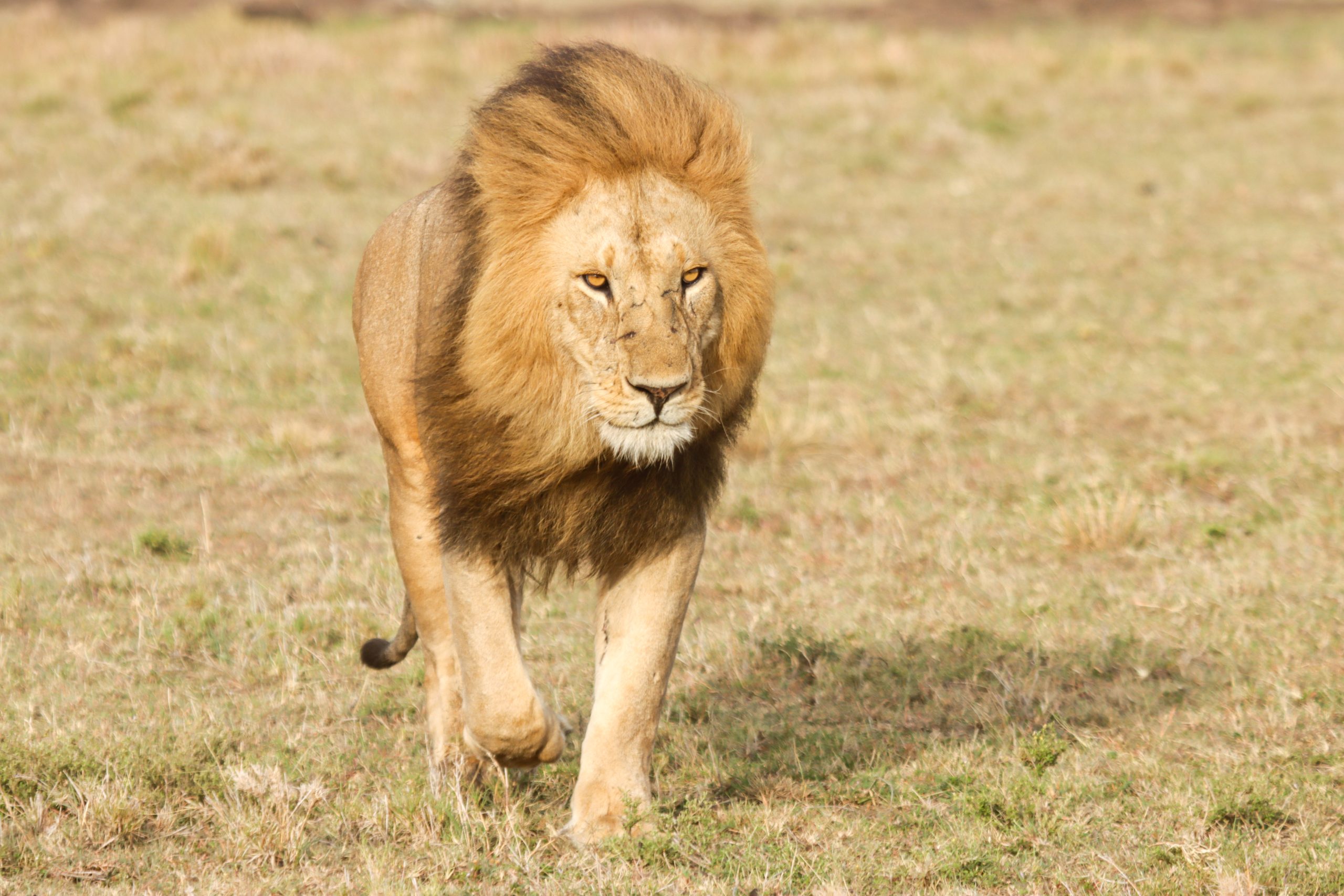
The pride currently maintains a relatively low profile within its range, which is being used by several different male coalitions. Muuaji and Oloibor, who have previously sired cubs with the pride, appear unable to maintain exclusive control of the area. The collared Topi male Vuli, the Kinyanganga males, and the remaining Six-Pack males are also regularly recorded within the same landscape.
Despite these shifting male dynamics, the Mara River continues to provide important habitat for the pride. High prey availability and dense riverine vegetation offer both feeding opportunities and cover, likely contributing to the pride’s continued use of this part of the Mara Triangle.
Cheetah Count
A Promising New Chapter
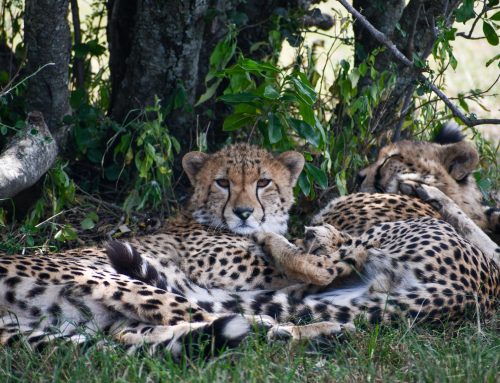
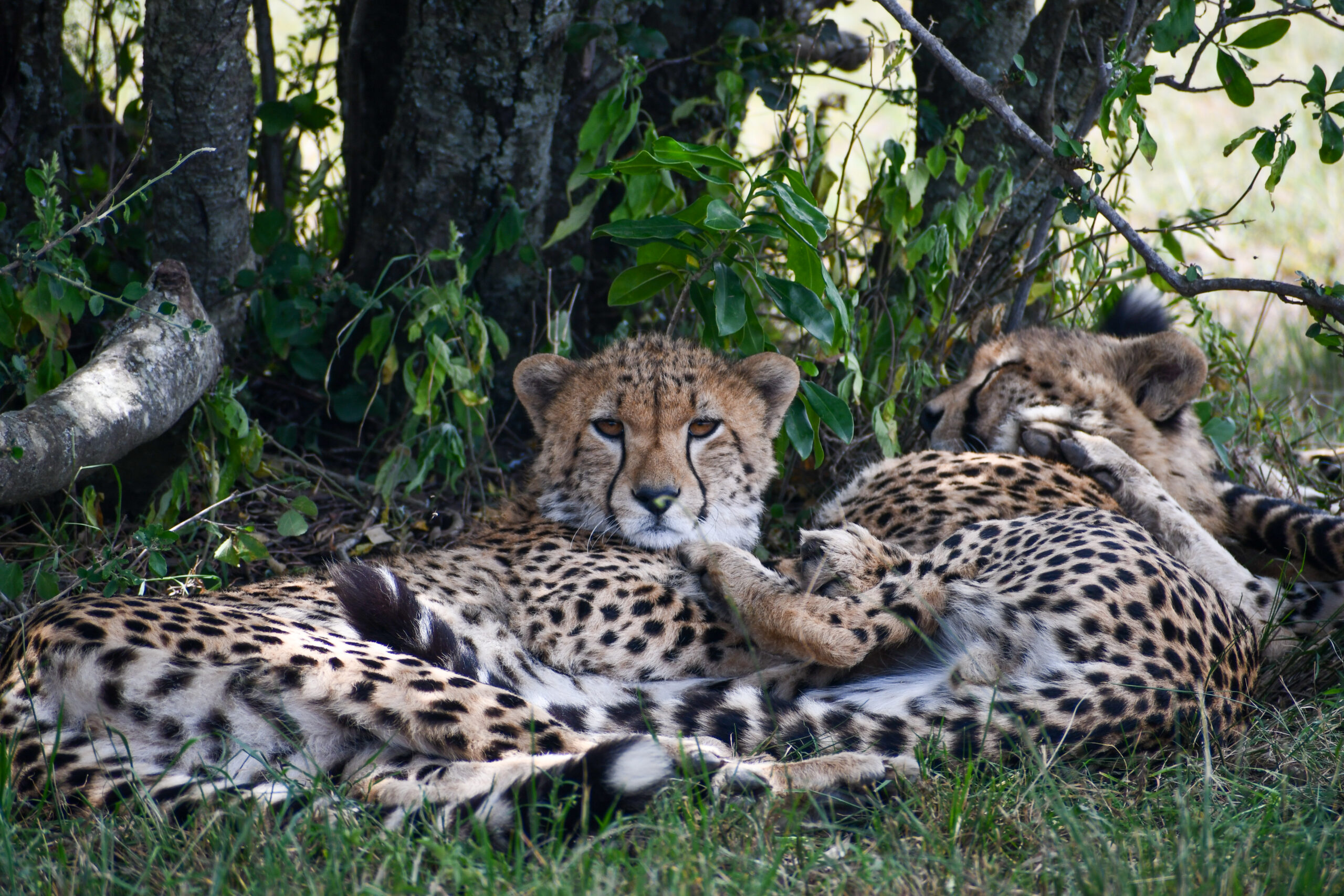
It was encouraging to recently see Nabaya with her four healthy-looking cubs feeding on an adult female impala within Olarro Conservancy. The sighting is particularly promising given her success in raising her previous litter, Nalala and Naanyu, to independence.
As a mother, Nabaya must navigate a complex landscape, moving between protected areas and human-used areas while finding sufficient prey and avoiding threats to her young. Her familiarity with her range is evident as she moves her cubs between areas offering good hunting opportunities and cover from larger predators such as lions and spotted hyenas.
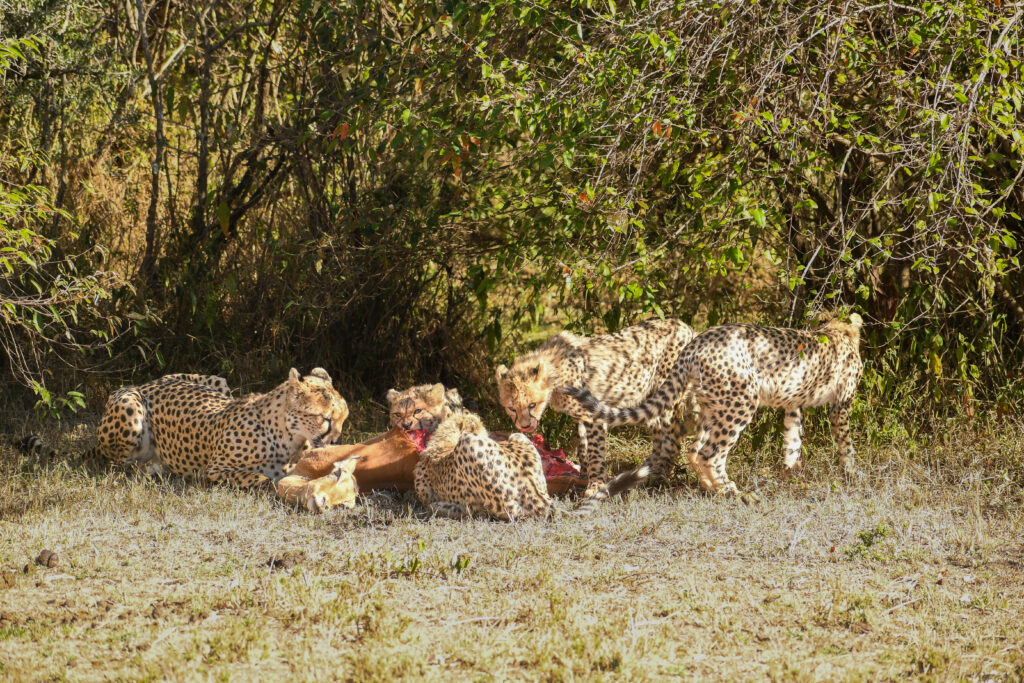
For now, the family appears to be doing well. The availability of prey within Olarro is providing Nabaya with valuable hunting opportunities during this demanding stage of raising four growing cubs.
Successfully raising a cheetah litter to independence is no small achievement. Cubs face numerous challenges as they grow, and their survival depends heavily on their mother’s ability to hunt successfully and navigate the risks within her range. Nabaya’s previous success in raising Nalala and Naanyu gives us reason for cautious optimism for this new litter.
We look forward to continuing to monitor Nabaya and her four cubs as they grow, and hope that she can once again successfully guide a litter through the challenges ahead to independence.
The daily realities of the Mara, from the resilience of a 16-year-old lioness to the dedication of a cheetah mother raising four cubs, remind us why rigorous monitoring is important. As get through the second half of our Intensive Monitoring Session, our teams remain in the field to ensure these populations are documented and protected.
If you would like to support our monitoring vehicles, fuel, Lion Ambassadors, and teams across the Greater Mara during this intensive field season, please consider making a contribution below.
Be Part of the Story
Support Our Work
The stories you read in Predator Watch are made possible by our dedicated team on the ground and the essential tools they use every day. From monitoring lions and cheetahs across extensive territories to ensuring a Lion Ambassador can patrol safely, every aspect of our work requires resources. You can directly support these efforts and become a part of predator conservation in the Greater Mara.
Here’s how your contribution can make a direct impact:
- $50 buys a pair of sturdy boots to keep a Lion Ambassador on patrol.
- $100 purchases one GPS ear tag for a cow, helping us better understand and mitigate human-wildlife conflict.
- $500 provides fuel and maintenance for one of our 4×4 field vehicles for an entire month, keeping our research assistants on the move.
- $2,500 builds one predator-proof, recycled plastic boma (livestock enclosure), protecting livestock and preventing retaliatory killings.
- $5,000 allows us to purchase and deploy one GPS collar on a lion or cheetah, providing invaluable data on their movements.
Every donation makes a difference and allows us to continue this important work.