Predator Watch #20
The rise of Lemek Boys & Cheetah conservation challenges (16th – 22nd March 2026)
Every day in the wild, a new story is written.
Welcome to the 20th edition of Predator Watch. As our field teams continue to navigate the Mara’s ever-changing landscape, we are pleased to kick off this week’s update with a behind-the-scenes win. On the research front, we are excited to announce that our Intensive Monitoring Session data collection has been successfully completed. The input files are now queued to be run by a supercomputer. This is a monumental step for our data analysis capabilities, and we can’t wait to see the insights these models will reveal about predator movements and ecosystem health.
Out in the field, the drama never stops. From a successful lion coalition expanding its empire to sobering insights into the Mara’s cheetah populations, here is your weekly breakdown.
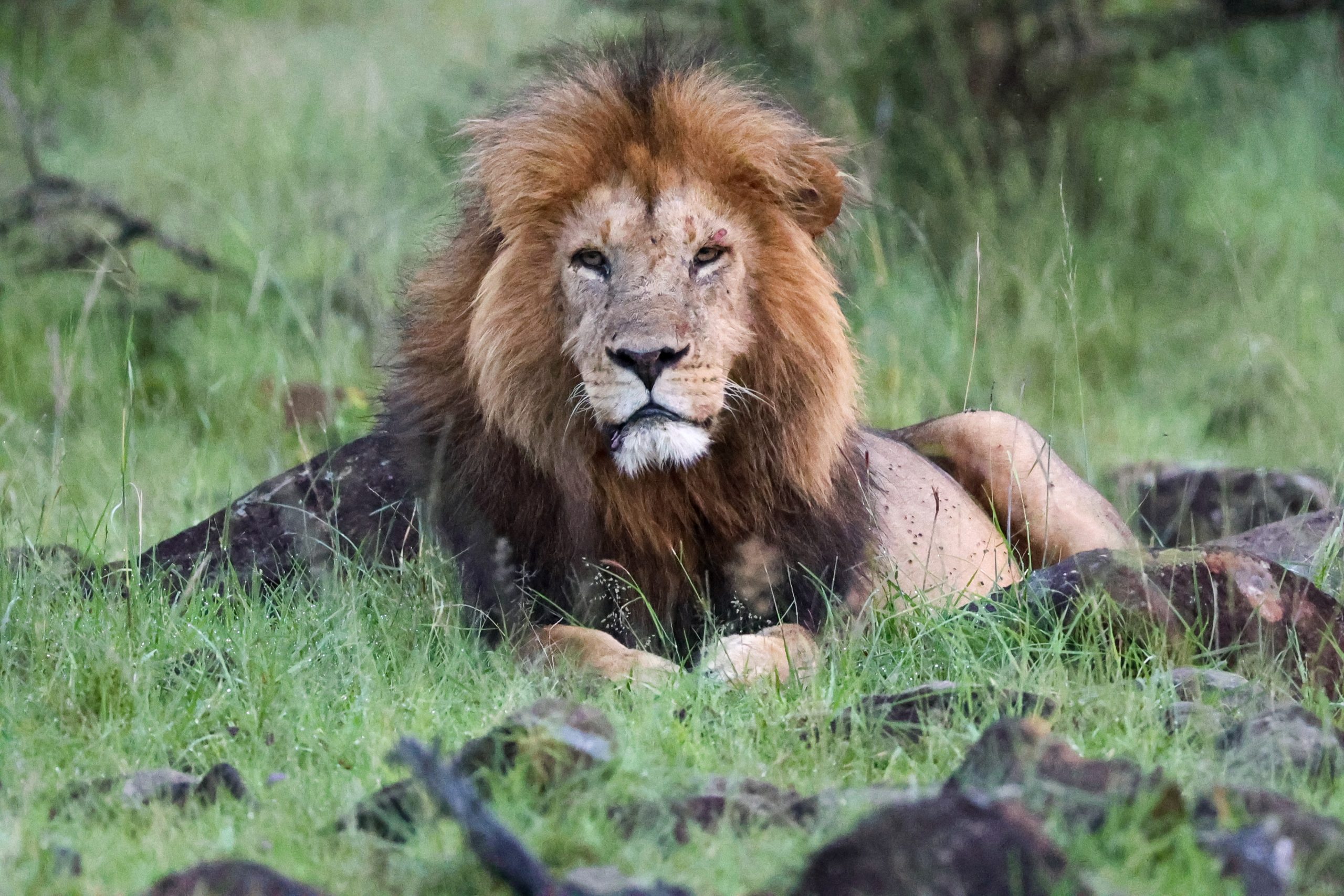
Lemek Boys’ success in Naboisho
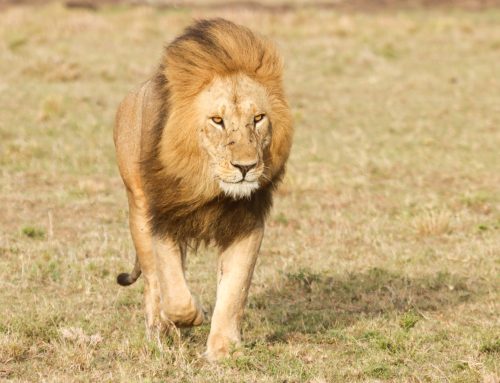
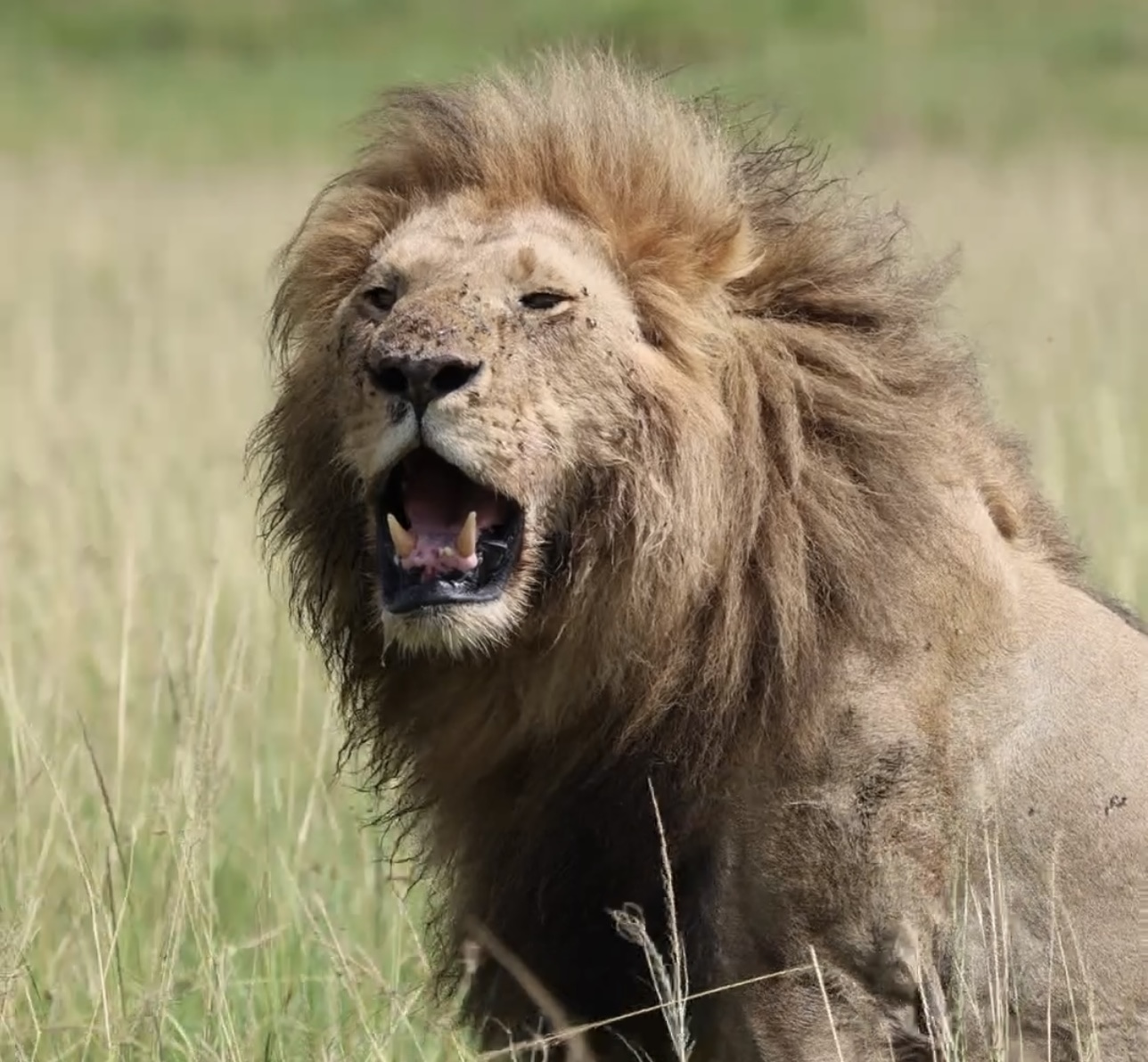
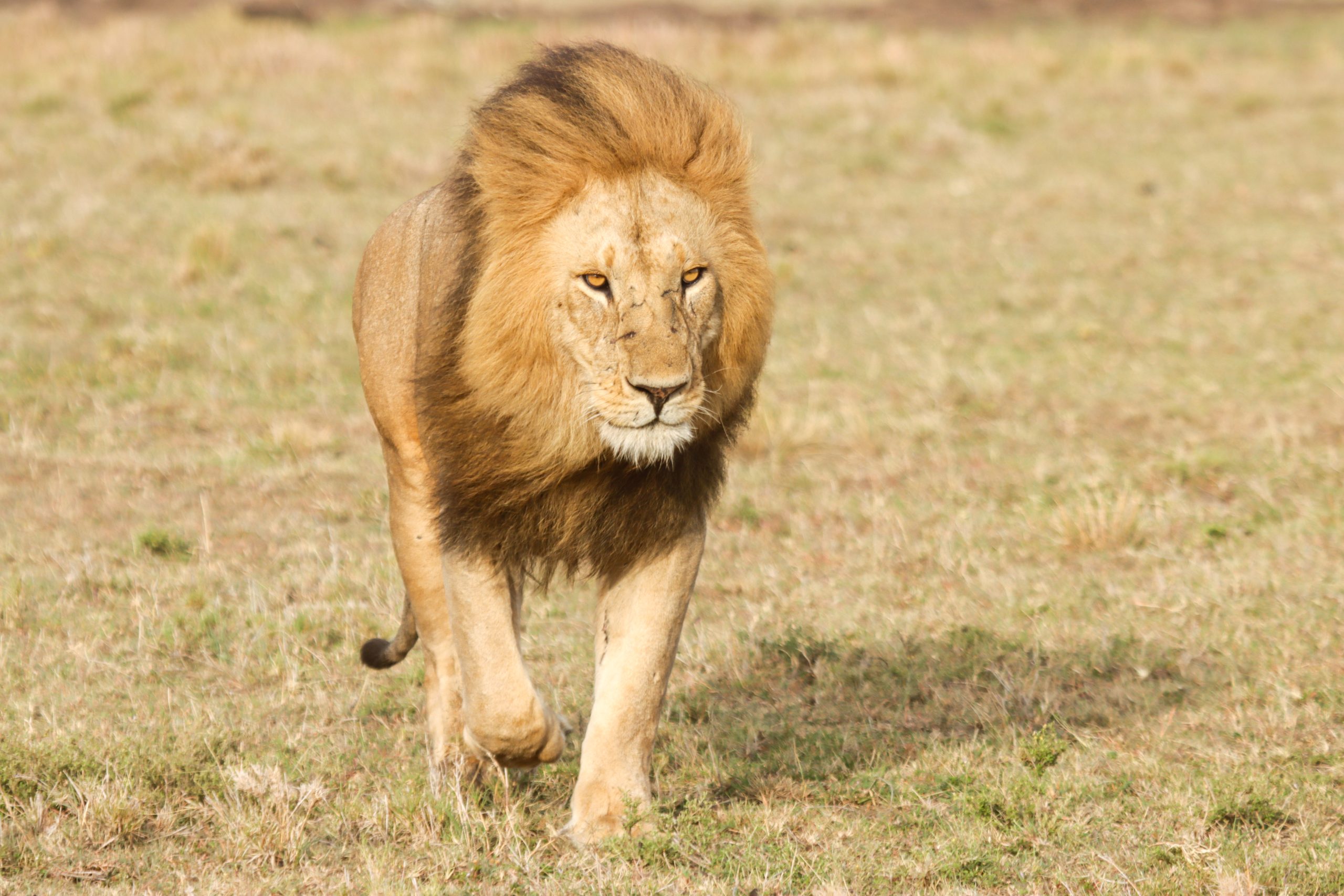
The Lemek boys have had remarkable success in Naboisho Conservancy since moving in from Olare Motorogi Conservancy (OMC). Their arrival marked the beginning of a steady and strategic expansion that has now positioned them as one of the most dominant coalitions in the area.
They first moved in and took over the Moliban Pride from the Koka boys. During this early phase, they still maintained links to eastern OMC, frequently crossing back to accompany the Hammerkop Pride, where they still had sub-adults they were protecting. This ability to balance territorial expansion while maintaining existing bonds already hinted at the strength and coordination within the coalition.
After a couple of months, they extended their dominance further by taking over a Sankai Breakaway Pride, which had also shifted into Naboisho from OMC. Even with two prides under their control, the Lemek boys did not stop there. They went on to take over a breakaway group from the Ilkisiausiau Pride- females that had remained behind as the rest of the pride moved towards the Olesere stream–Osuguroi–camera trap stretch.
Now firmly in their prime, this coalition of four males is not only holding territory but thriving. They are currently raising cubs across all three prides: three cubs with the Molibany Pride, seven with the Sankai BA Pride, and five with the Ilkisiausiau breakaway group.
This level of success is particularly impressive within the Mara ecosystem, where constant pressure from rival coalitions makes it difficult for males to establish and maintain long-term dominance. The Lemek boys have managed not only to secure multiple prides but also to sustain and grow their lineage simultaneously, something only a few coalitions achieve.
Cheetah Count
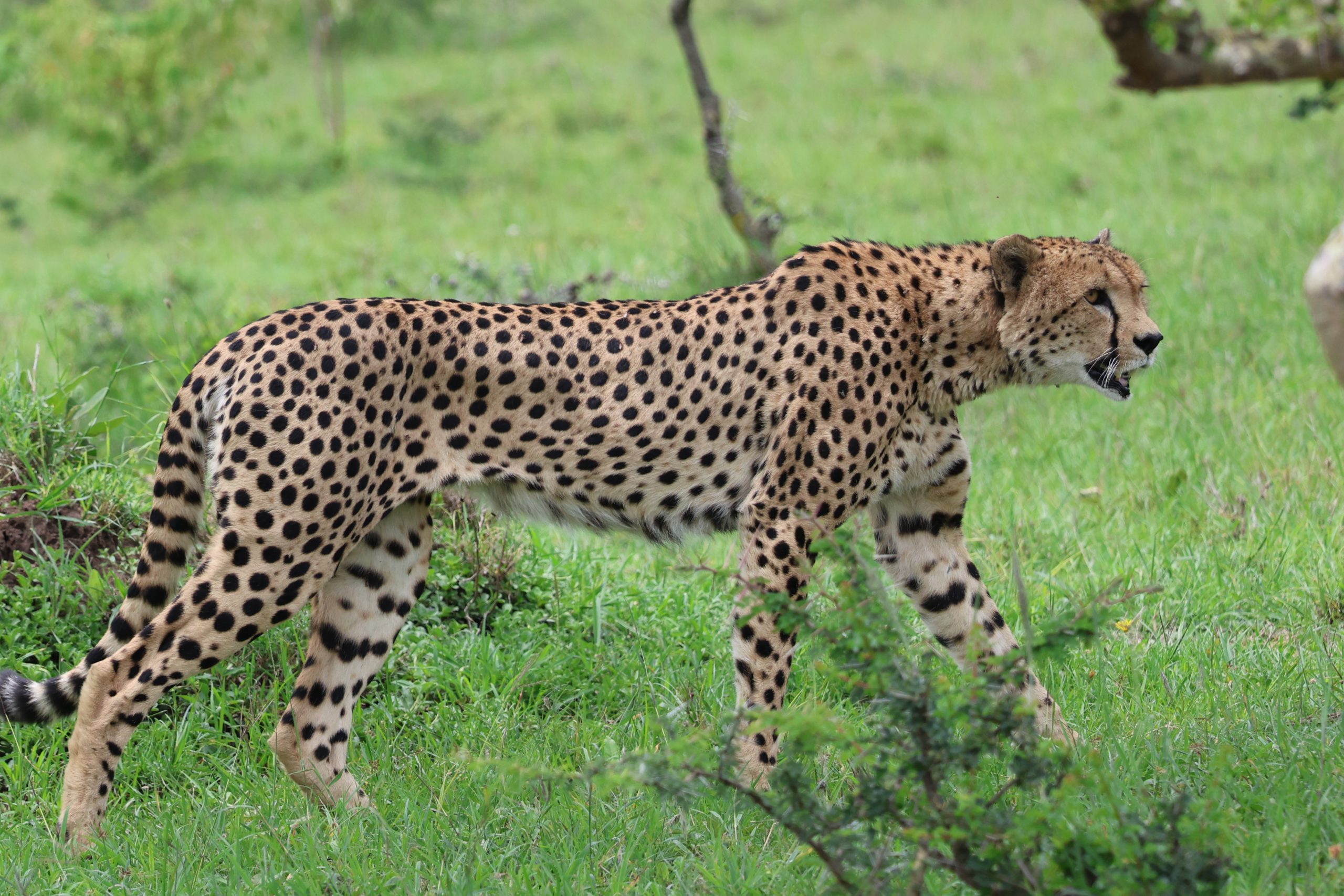
Osupat
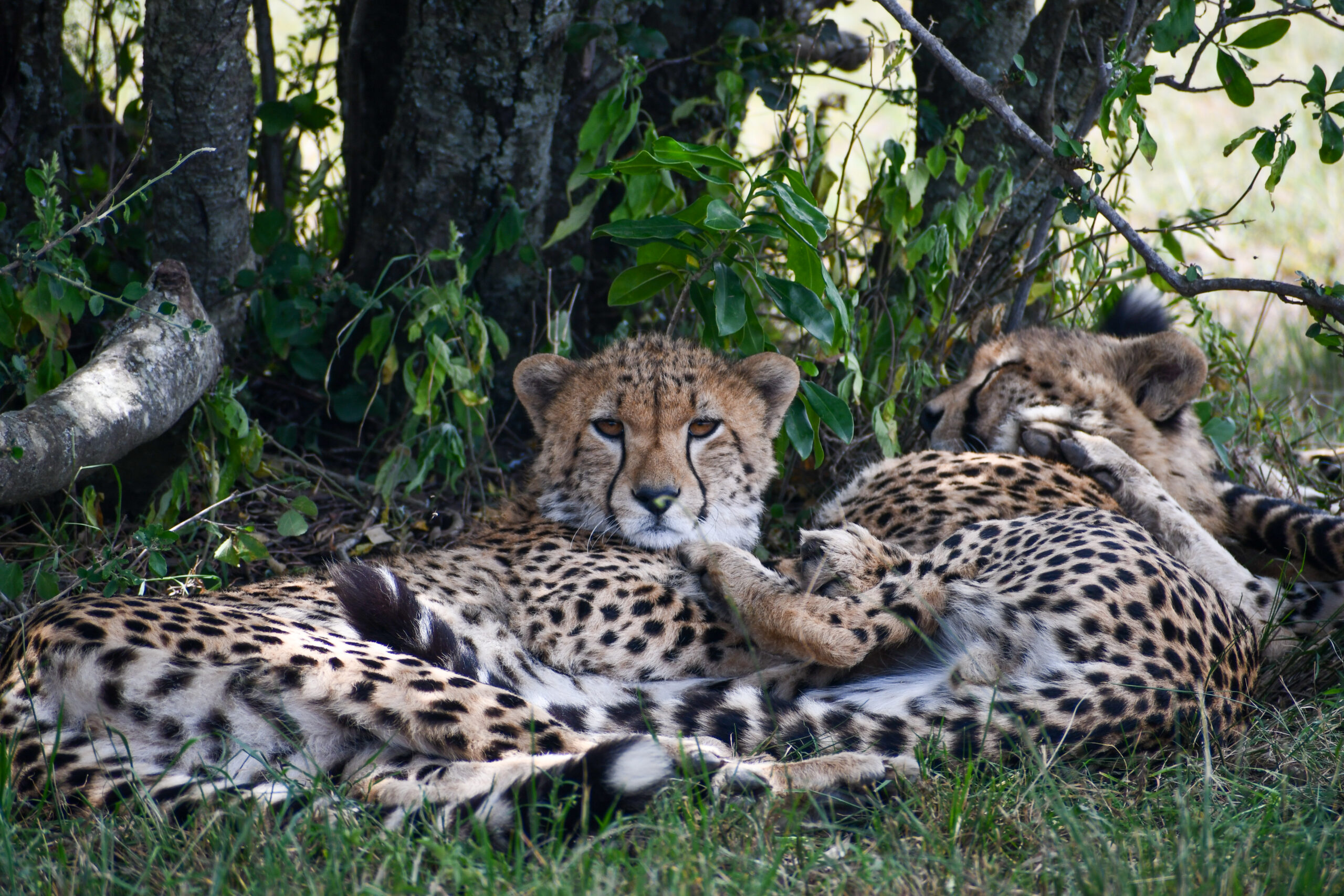
Interestingly, during one of our monitoring sessions in Olarro Conservancy, we encountered Osupat, the remaining male from the Olarro male coalition. Since the disappearance of his brother/partner, Osupat appears to have settled within Olarro and is now frequently sighted by conservancy rangers during their patrols.
We first became aware of this coalition in December 2024, when rangers described the two males as notably shy, often preferring dense bush over open areas.
Osupat is now used to vehicles just like the other cheetahs in the conservancy. He is around five years old, and both were believed to have originated either from community areas to the east, towards the Loita Plains, or from the Serengeti.
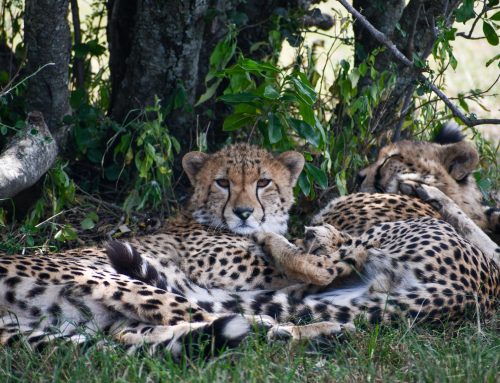
This sighting comes against the backdrop of a broader concern: a general decline in the cheetah population across the Mara ecosystem. Notably, this decline is more pronounced among females, largely due to low cub recruitment and the disappearance of adult females. Recruitment challenges disproportionately affect females because successfully raised sub-adult females usually settle in or near their natal ranges, often establishing home ranges adjacent to, or even overlapping with their mothers.
In contrast, sub-adult males disperse over much greater distances. This wide dispersal contributes to a relatively higher male presence in the ecosystem, as new males arrive from areas such as the Serengeti or surrounding community lands, just as Osupat and his brother once did. While this may sustain or even inflate male numbers, it does little to offset the reproductive bottleneck caused by declining female populations, which remains a critical challenge for cheetah conservation in the Mara.
Be Part of the Story
Support Our Work
The stories you read in Predator Watch are made possible by our dedicated team on the ground and the essential tools they use every day. From monitoring lions and cheetahs across extensive territories to ensuring a Lion Ambassador can patrol safely, every aspect of our work requires resources. You can directly support these efforts and become a part of predator conservation in the Greater Mara.
Here’s how your contribution can make a direct impact:
- $50 buys a pair of sturdy boots to keep a Lion Ambassador on patrol.
- $100 purchases one GPS ear tag for a cow, helping us better understand and mitigate human-wildlife conflict.
- $500 provides fuel and maintenance for one of our 4×4 field vehicles for an entire month, keeping our research assistants on the move.
- $2,500 builds one predator-proof, recycled plastic boma (livestock enclosure), protecting livestock and preventing retaliatory killings.
- $5,000 allows us to purchase and deploy one GPS collar on a lion or cheetah, providing invaluable data on their movements.
Every donation makes a difference and allows us to continue this important work.