Predator Watch #8
The Feast and the Fight (11th – 17th August 2025)
Every day in the wild, a new story is written.
The ongoing Great Migration has transformed the Mara into a land of abundance, but with this feast comes a shift in the balance of power. The scent of opportunity is in the air, emboldening young challengers, testing the resolve of lone survivors, and pushing established prides to acts of instinctual carnage.
This week, during the Intensive Monitoring Session (IMS), our teams witnessed this raw drama unfold in a landscape supercharged with the ambition and peril that only the wildebeest migration can bring.
Triangle Migration Effect
The arrival of the Great Migration is never just about the wildebeest and other herbivores; it immediately shifts the balance of predator movements across the Mara. During the first week of migration, the Ngiro Are males, more famously known as the Inserlberg Boys, who usually divide their time between the Reserve and the Mara Triangle (spending more time in the Triangle), were hunting along the Sand River north of the ODM area, far from their territory.
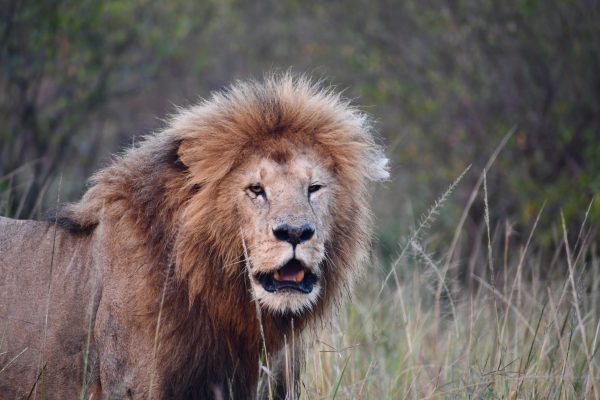
When the wildebeest crossed into the Mara Triangle, these males followed suit and returned to their territory. This week, we encountered one of the Inserlberg males, Ruka, along with a Maji Machafu pride female feeding on a wildebeest near an area called BBC in Mara Triangle.
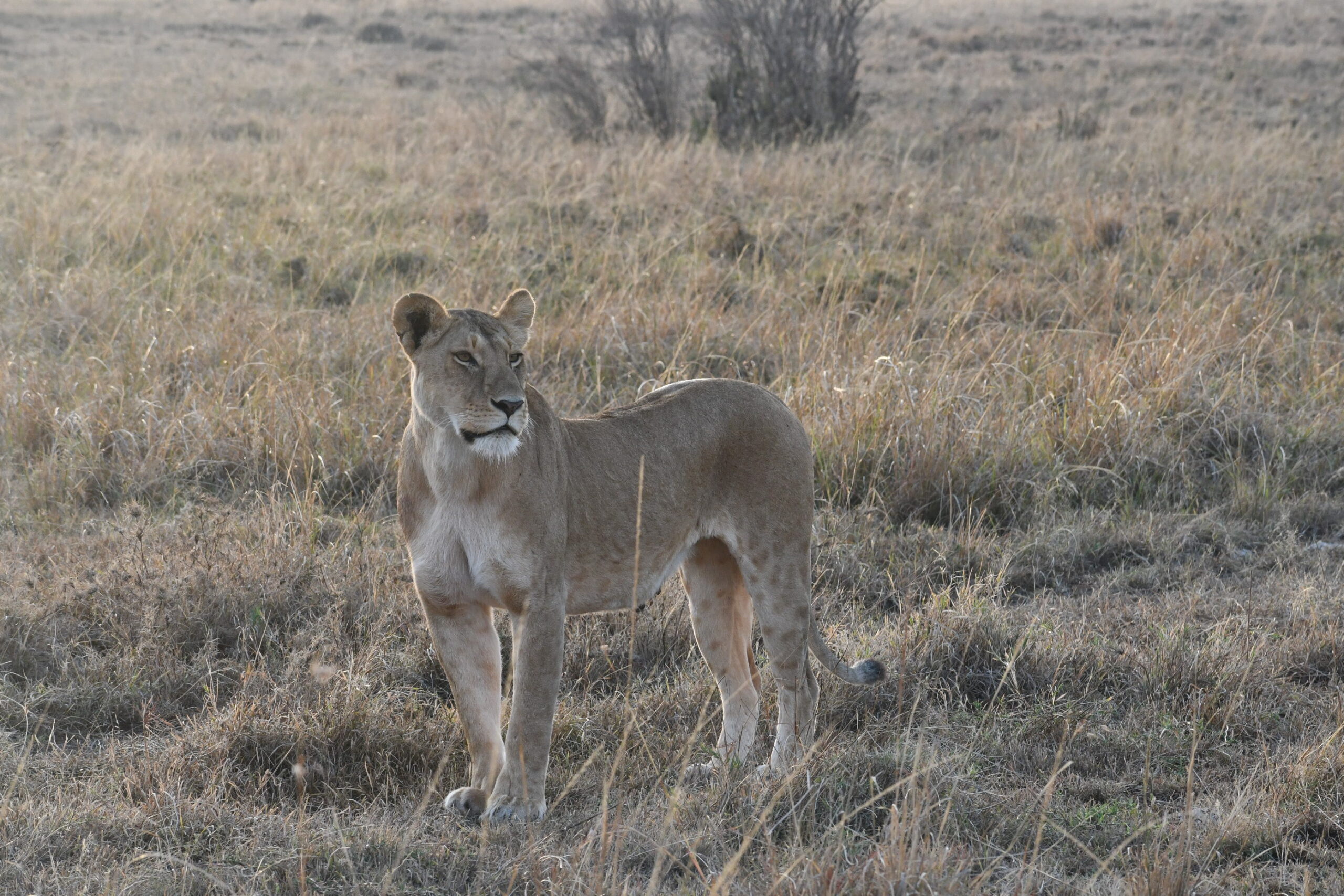
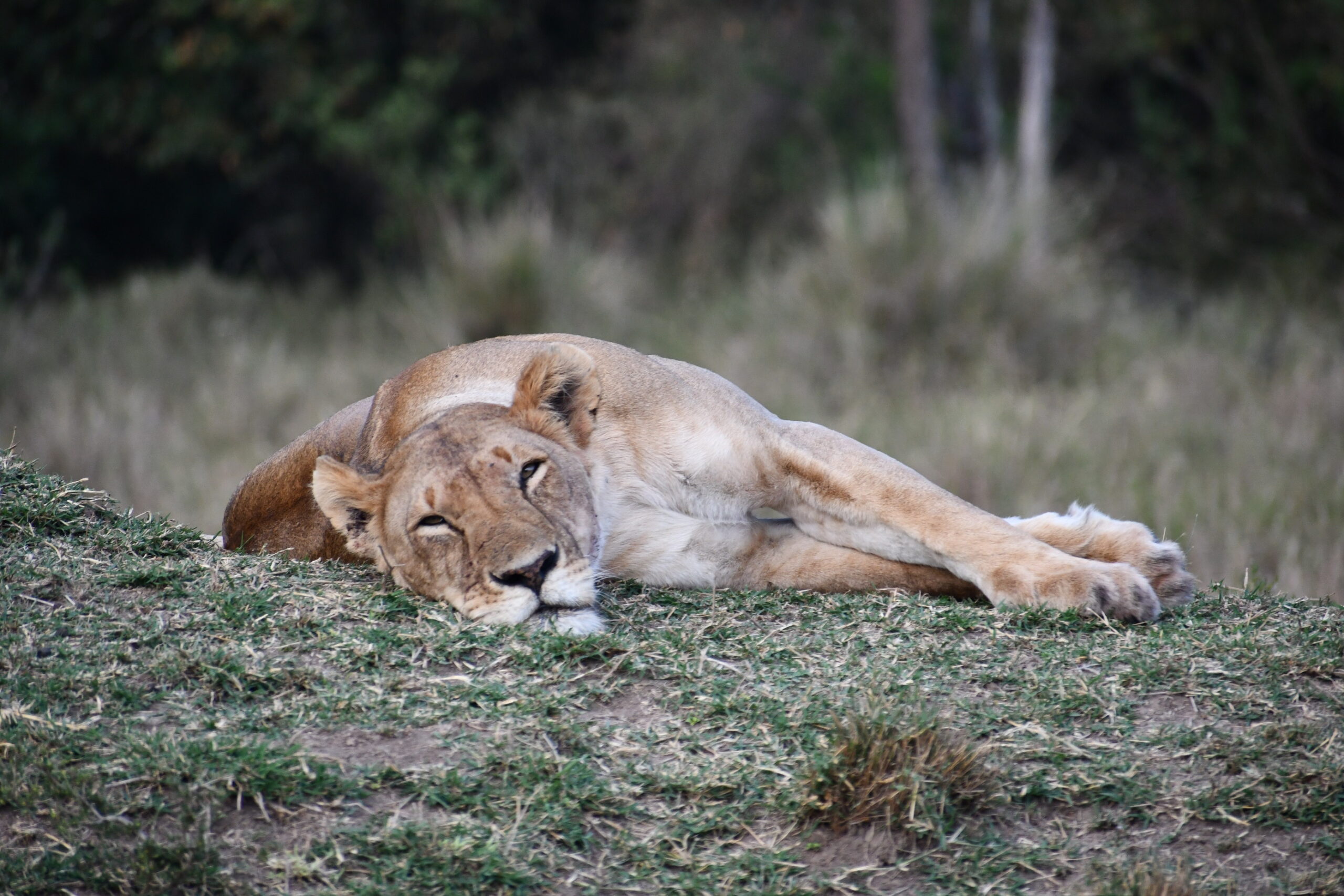
The rest of the Maji Machafu females were nearby, resting inside thick bushes, all full of their night kills. Interestingly, on the central side of the Triangle around the Baghdad area, the Egyptian Goose Pride put on a show. Present were three adult females, a subadult male, and two cubs, who already had two wildebeest carcasses beside them, enough to keep them well-fed. Yet, in a fascinating twist, they went on to hunt two more wildebeest separately, abandoning each kill without even feeding.
This behaviour is always seen during migration time, when prey is so plentiful that lions kill out of instinct rather than necessity.
Iseketa survivor in trouble again
In late 2023, the four Iseketa males—Osidai, Ntui, Oronkai, and Saruni – took control of Lemek Conservancy, forcing the Sankai males to retreat to Olchoro Oirowua Conservancy. However, this dominance was short-lived. The three Sankai males, known for being among the largest lions in the Mara ecosystem (sired by the legendary Olerai and Olekiti), retaliated.
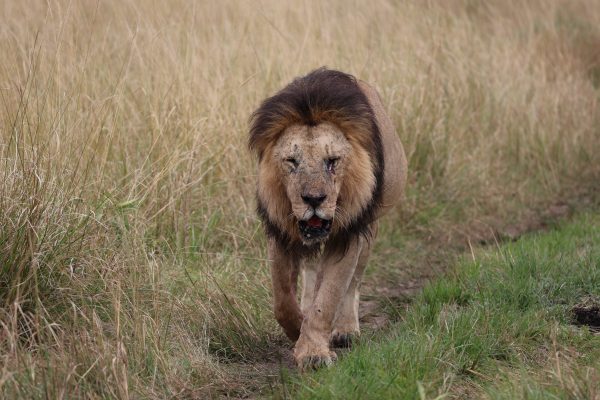
They fought back, resulting in the deaths of Ntui and possibly Osidai and Saruni, as both have since disappeared. Oronkai, severely injured, was left alone but managed to survive. Since then, he has been keeping a low profile in the Mara North Conservancy.
On Friday, Oronkai encountered trouble again when Seenka and Kini found him in Mara North Conservancy. They attacked him, but surprisingly left him alone after a few minutes of commotion and roars. Oronkai sustained only minor injuries, but he must remain cautious while moving around Mara North Conservancy.
He is particularly vulnerable due to the presence of the Engoyanai males, the Cheli-born males, and the Sankai males, who have been making frequent visits to the area.
Standoff between nomads
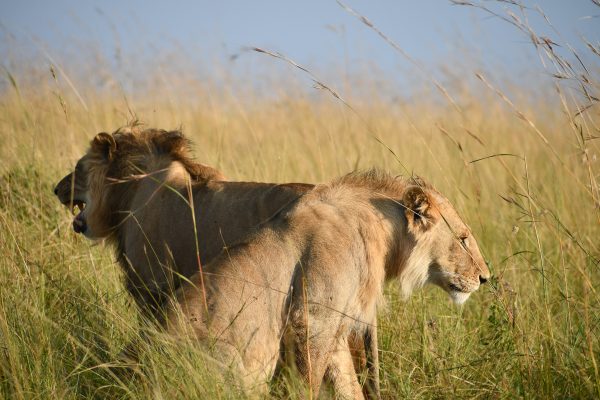
Interestingly, a different group appeared: the two Engoyanai nomads, recently named Oloitore and Lenkai by guides. They are from Olare Motorogi Conservancy and come from different litters. Oloitore was born in early 2022, and Lenkai in early 2023. They recently entered the Reserve and have been cautiously moving across occupied territories, trying to establish their own. Here, they were hungry and bravely attempted to chase Olbarnoti and join the females on a buffalo feast, but Olbarnoti held his ground, especially with the three females backing him. Oloitore and Lenkai had to run for their lives and narrowly escaped trouble.
We hope these young nomads stay out of trouble as they move around.
Cheetah Count
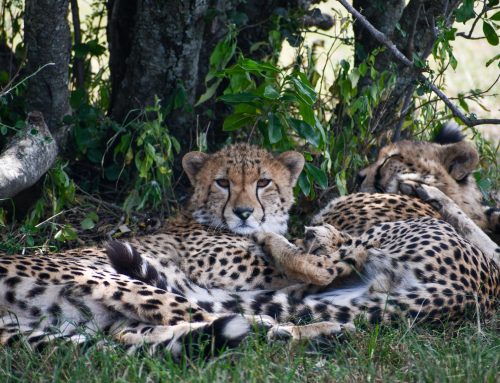
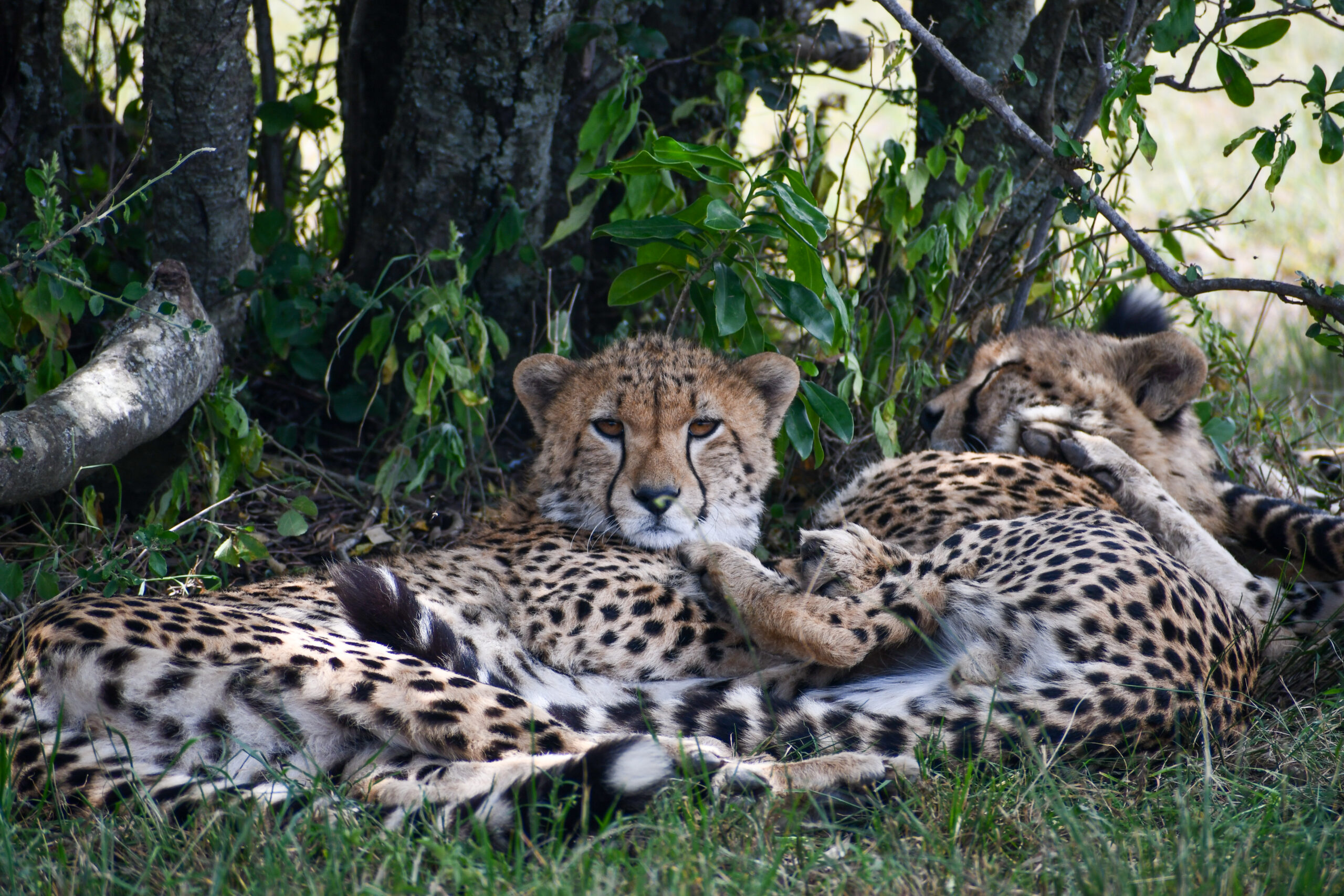
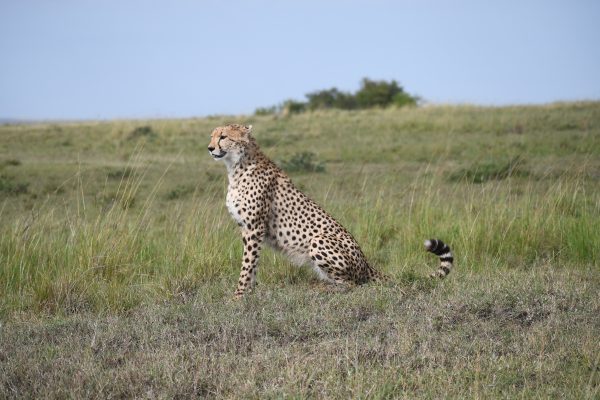
Naimutie, Nasieku, and Nempiris
The three Nashipae daughters dispersed in the first quarter of this year. For a couple of months, they stayed together before ultimately splitting up. Naimutie was the first to go her separate way, but shortly after, the others followed suit, each beginning their solitary lives. Interestingly, Nempiris made a brief visit to Serengeti before returning to the Reserve.
All three have been frequently sighted in the Reserve, spending time in different areas as they attempt to establish their home ranges. Their presence in the Mara ecosystem will have a significant impact, especially considering the decline of cheetahs in the Greater Mara ecosystem.
From the casual carnage of a well-fed pride to the desperate courage of a lone survivor and the bold ambition of young nomads, this week was a raw, unfiltered look into lion dynamics. The migration strips away the pretense, revealing a world of instinct, power, and resilience. Monitoring these complex dynamics is essential to understanding and protecting the delicate balance of the Greater Mara ecosystem.

Conservation News & Updates
Our Q2 Report is live
This past quarter was a period of intense activity and mixed outcomes, and our newly released Q2 Report details it all. While our monitoring teams covered over 4,300 km, the landscape faced significant challenges with a rise in human-wildlife conflict.
Our team of Lion Ambassadors responded to over 1,100 geofence alerts, while our anti-poison campaigns reached over 33,000 people. The report also covers the successes of our 'Ufugaji Hifadhi' livelihoods program and our ongoing conservation education initiatives.
We invite you to read the full report to learn more about our achievements and the challenges ahead.
Be Part of the Story
Support Our Work
The stories you read in Predator Watch are made possible by our dedicated team on the ground and the essential tools they use every day. From monitoring lions and cheetahs across extensive territories to ensuring a Lion Ambassador can patrol safely, every aspect of our work requires resources. You can directly support these efforts and become a part of predator conservation in the Greater Mara.
Here’s how your contribution can make a direct impact:
- $50 buys a pair of sturdy boots to keep a Lion Ambassador on patrol.
- $100 purchases one GPS ear tag for a cow, helping us better understand and mitigate human-wildlife conflict.
- $500 provides fuel and maintenance for one of our 4×4 field vehicles for an entire month, keeping our research assistants on the move.
- $2,500 builds one predator-proof, recycled plastic boma (livestock enclosure), protecting livestock and preventing retaliatory killings.
- $5,000 allows us to purchase and deploy one GPS collar on a lion or cheetah, providing invaluable data on their movements.
Every donation makes a difference and allows us to continue this important work.