Predator Watch #22
The fall of Kiminati and our first Hyena collars (30th March – 5th April 2026)
Every day in the wild, a new story is written.
Welcome to the 22nd edition of Predator Watch. The reality of working in the Maasai Mara is that we are constantly reminded of the duality of the wild. It is a landscape defined by both heartbreaking loss and scientific progress.
This week, we mourn the passing of one of the Mara’s great male lions following a violent, natural encounter. At the same time, we are celebrating a major milestone for the Kenya Wildlife Trust’s Mara Predator Conservation Programme as we expand our tracking efforts to a new predator species.
Here is your update from the field.
The death of Kiminati
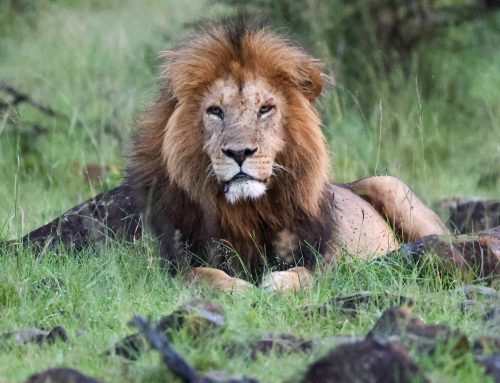
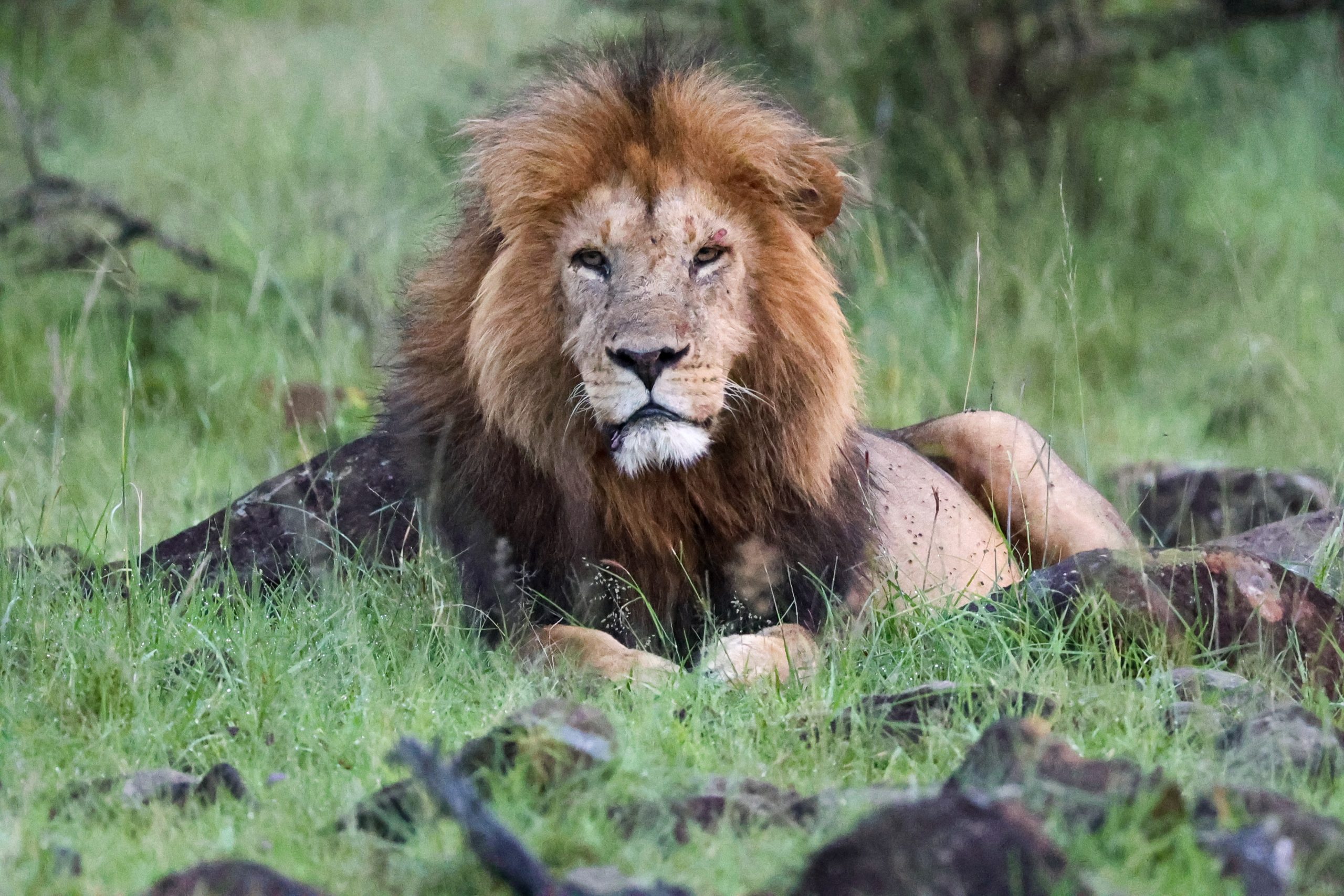
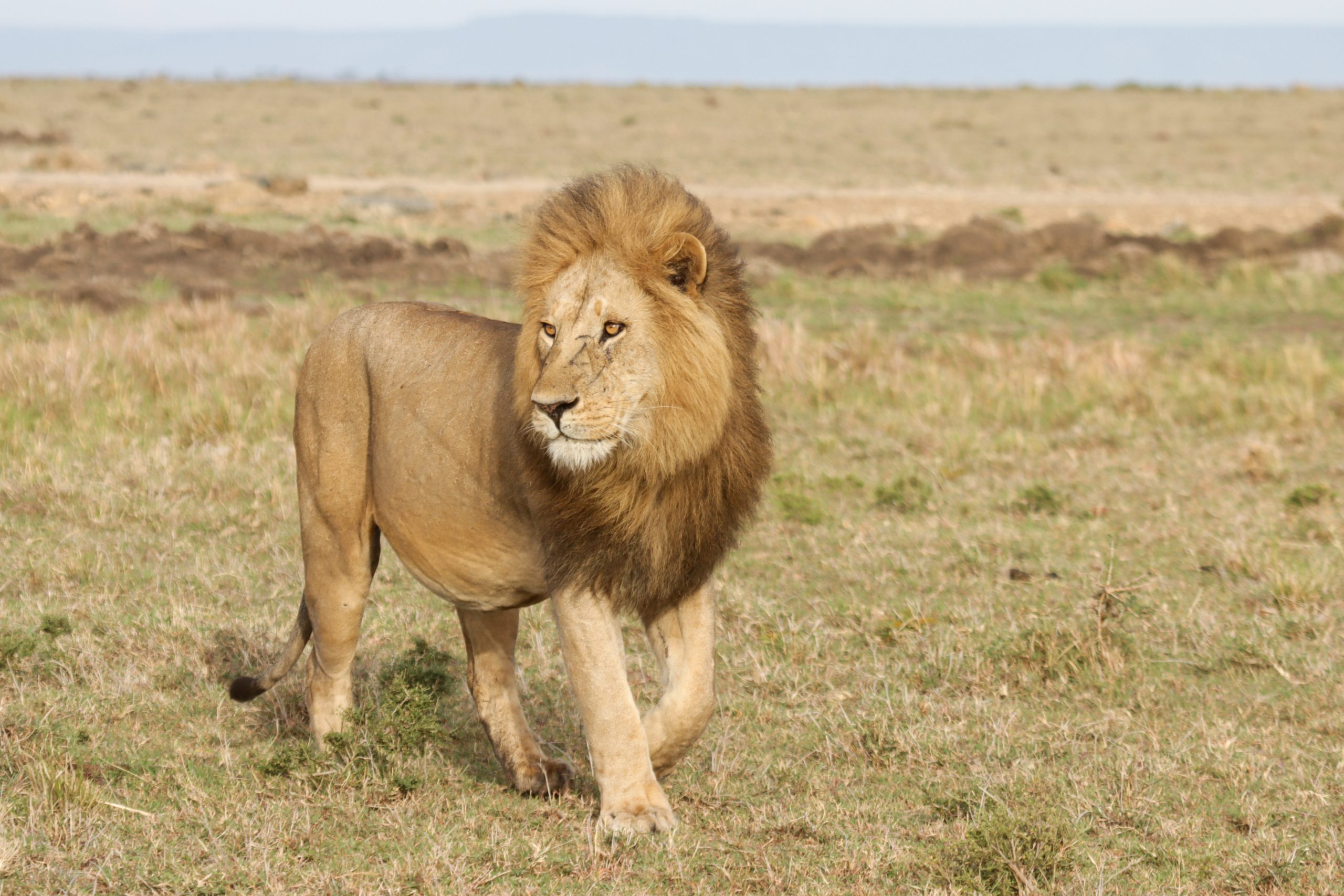
On Sunday morning, we received reports from Naboisho Conservancy that the male lion Kiminati had sustained severe injuries. Upon arrival, we joined conservancy rangers at the scene while awaiting the Kenya Wildlife Service (KWS) veterinary team.
Kiminati’s condition was critical. His abdomen was torn open, with internal organs exposed, and his right hind leg was completely shattered. The KWS veterinary team responded swiftly, but despite their rapid intervention, his injuries were too severe. With no chance of recovery, the difficult decision was made to euthanise him and end his suffering.
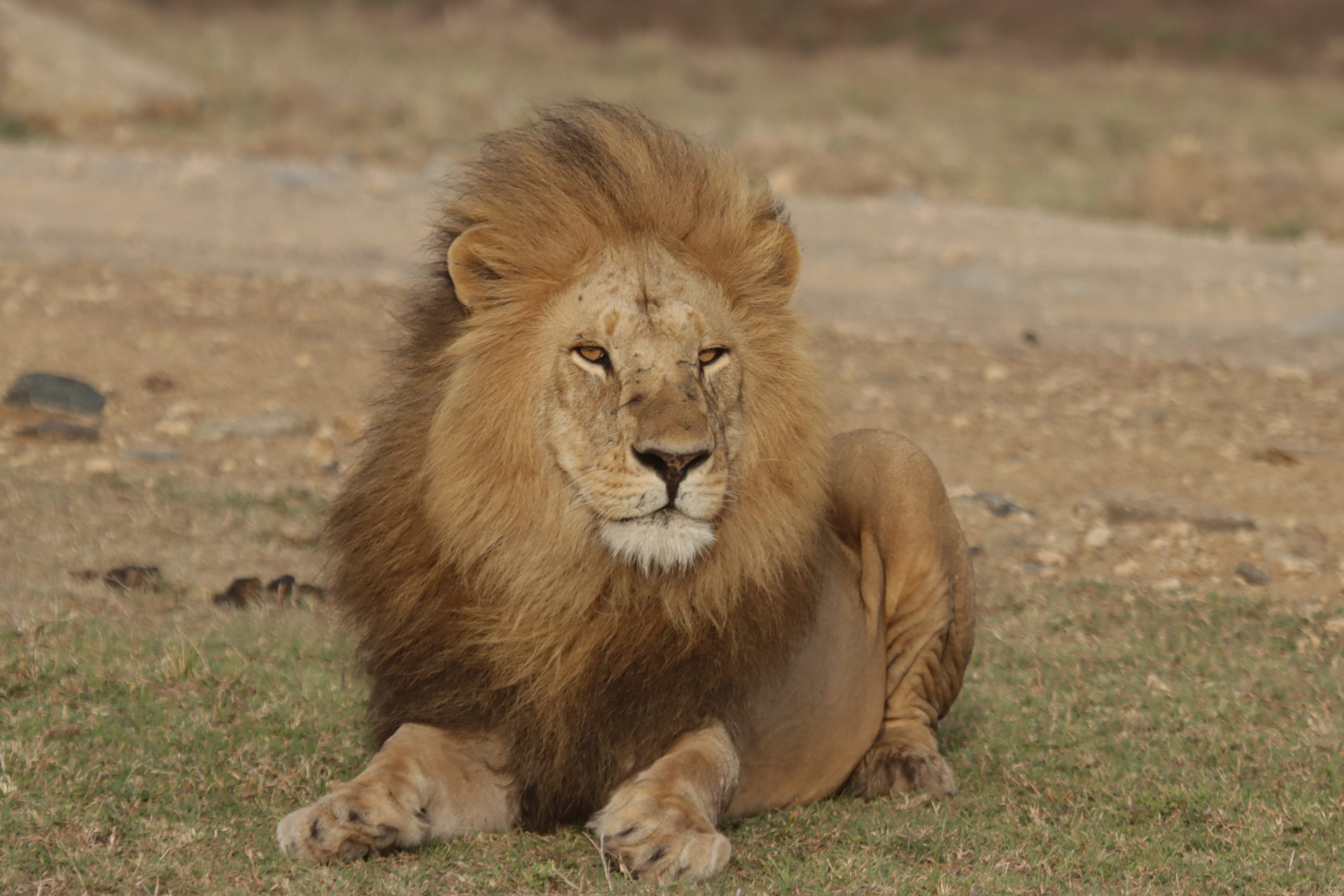
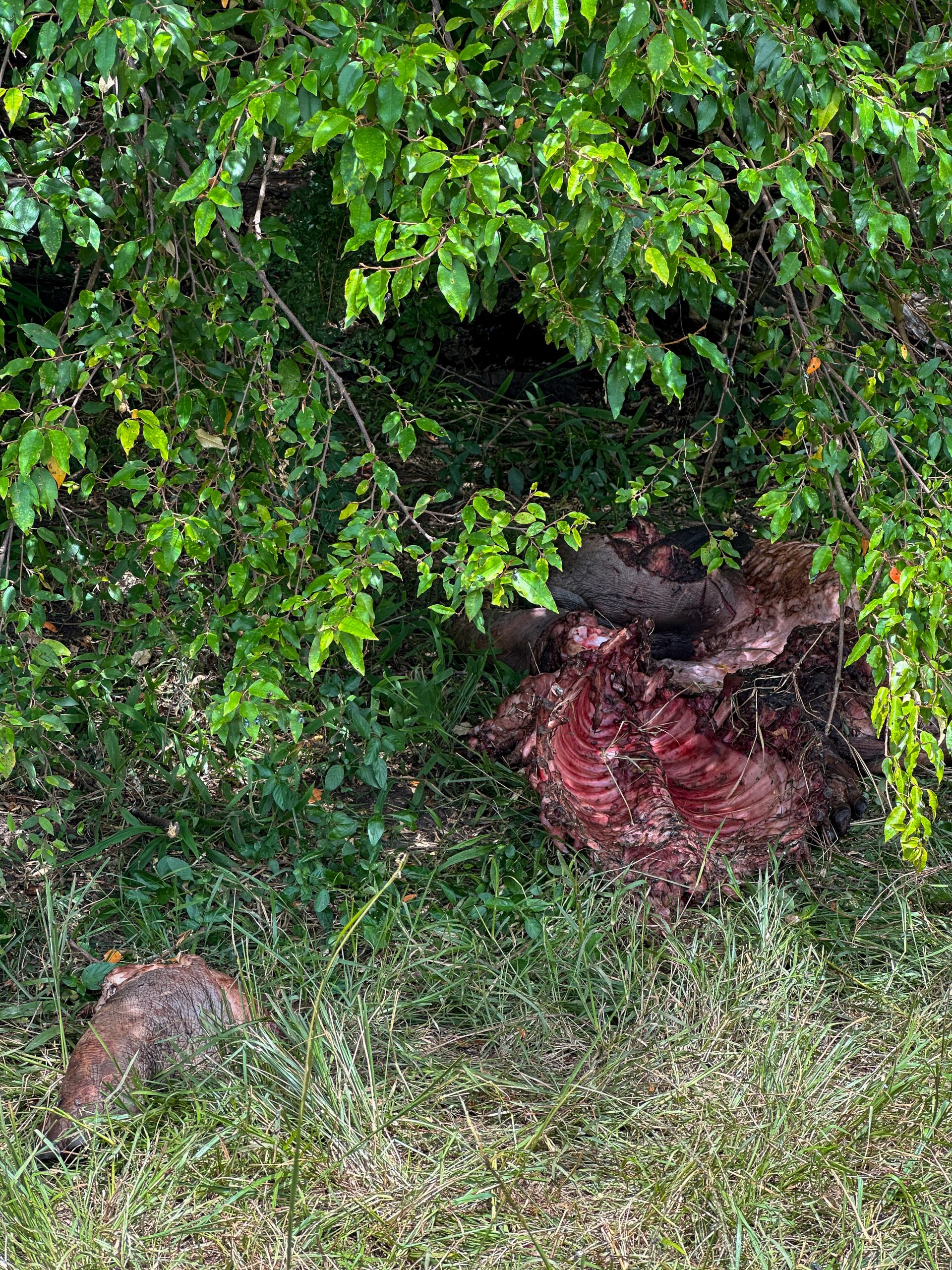
Evidence at the scene pointed to a violent encounter with a hippo. Remains of a hippo were found in Kiminati’s stomach, indicating a recent kill or feeding event. Nearby, a hippo carcass lay close to his coalition partner, Oloiborkwe, who was resting a few metres away with a full belly.
Kiminati’s story in the Mara began in early 2020, when we first observed him in Naboisho as a nomadic male. Alone and cautious, he appeared to be searching for an ally. We named him Kiminati, meaning “Lost Boy.” At the time, we estimated he was born in 2015, though postmortem examination suggests he was likely born in 2016.
By mid-2020, Kiminati had formed a coalition with a young male from the Koka Pride, that resides near the Serengeti boundary, who we later named Oloiborkwe. Together, they became known as the Koka Boys.
The pair rose to dominance, taking over the Molibany Pride and successfully siring and raising eight cubs in 2022. Their tenure was challenged in 2024, when the advancing Lemek Boys displaced them.
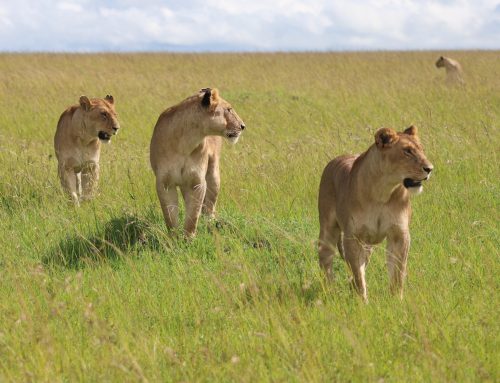
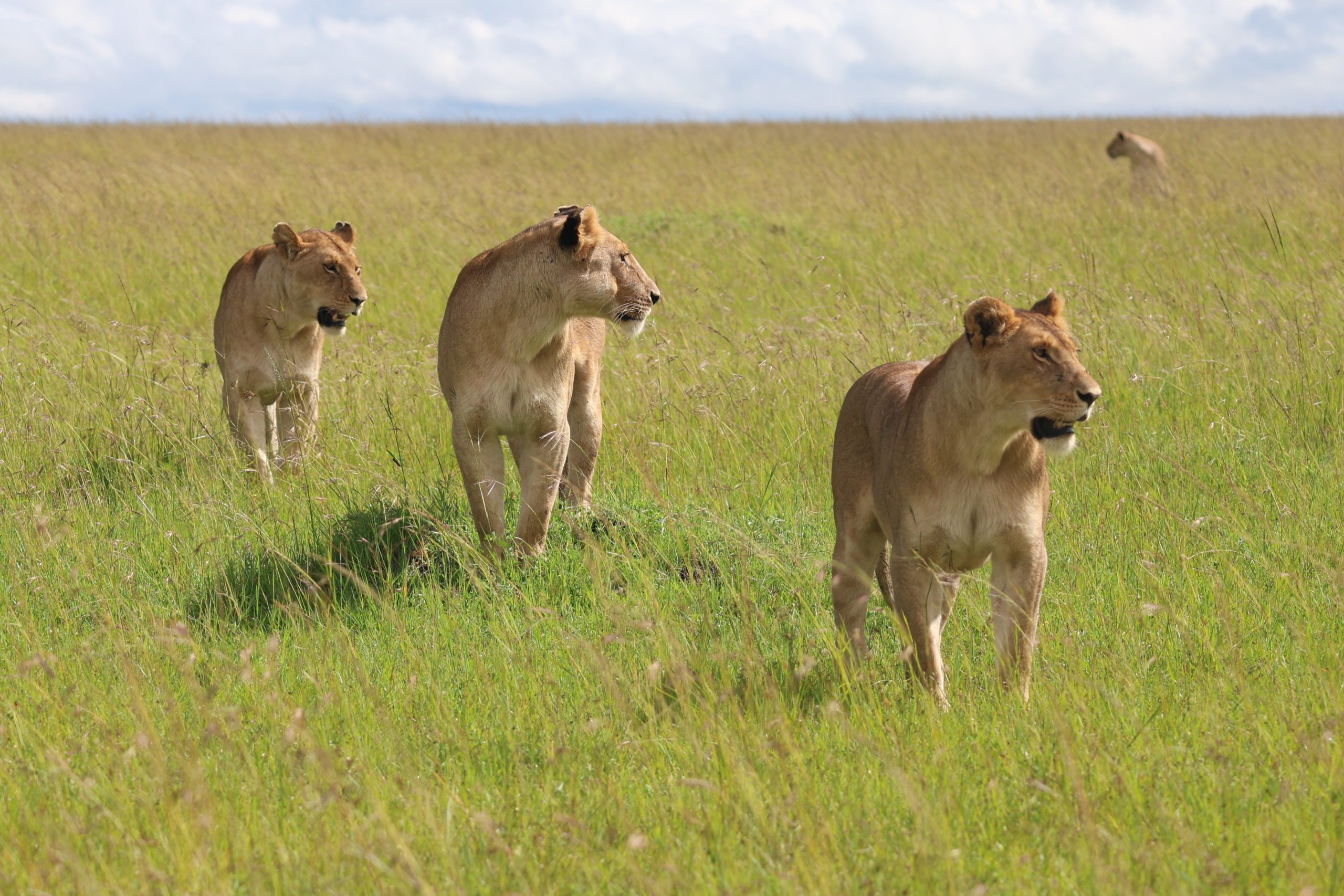
Like many successful coalitions in the Mara, they regrouped and reclaimed dominance, taking over the Enesikiria core pride from the Rongai Boys. At the time of Kiminati’s death, they were raising eight 18 month old sub-adults and four young cubs alongside the Enesikiria females Akillah, Jasmina, and Naisula.
Now, Oloiborkwe stands alone. The pressure on a single male defending a pride is immense, particularly with competing coalitions such as the Lemek Boys seeking to expand. Without coalition support, holding territory and protecting cubs becomes extremely difficult, and the future of the cubs is now uncertain.
This is the reality of lion dynamics in the wild, unpredictable, unforgiving, and constantly shifting. From a lone nomad in 2020 to a dominant coalition male shaping the next generation, Kiminati’s journey reflects both the power and fragility of life in the Mara.
Conservation News and Updates
A Hyena collaring
While we navigate the shifting dynamics of the lion population, our research capabilities continue to grow. This past week marked an exciting milestone for MPCP: we collared a new predator species for the very first time.
In a collaborative effort with the Mara Hyena Project, Aarhus Universitet, Kenya Wildlife Service, Mara North Conservancy, and the Mara Triangle, we successfully deployed three GPS collars on hyenas in Mara North Conservancy.
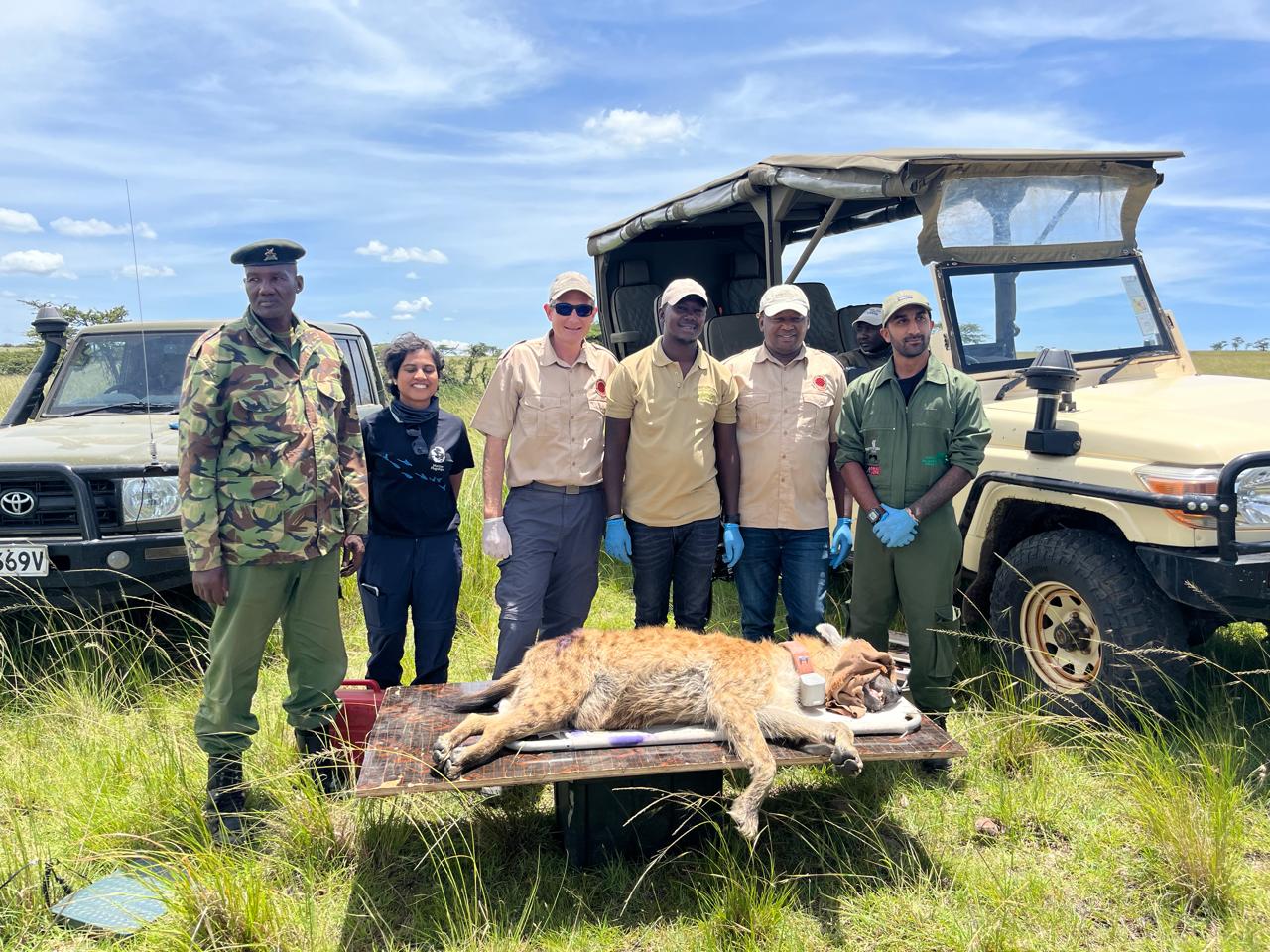
Bringing hyenas into our monitoring programme is a major step forward. Until now, we have had limited information on hyena ecology in the conservancies, and this work will help fill a knowledge gap. By tracking their movements, we aim to better understand how hyenas use space across the Mara, how they interact with human land use, and how they influence the distribution of other large carnivores.
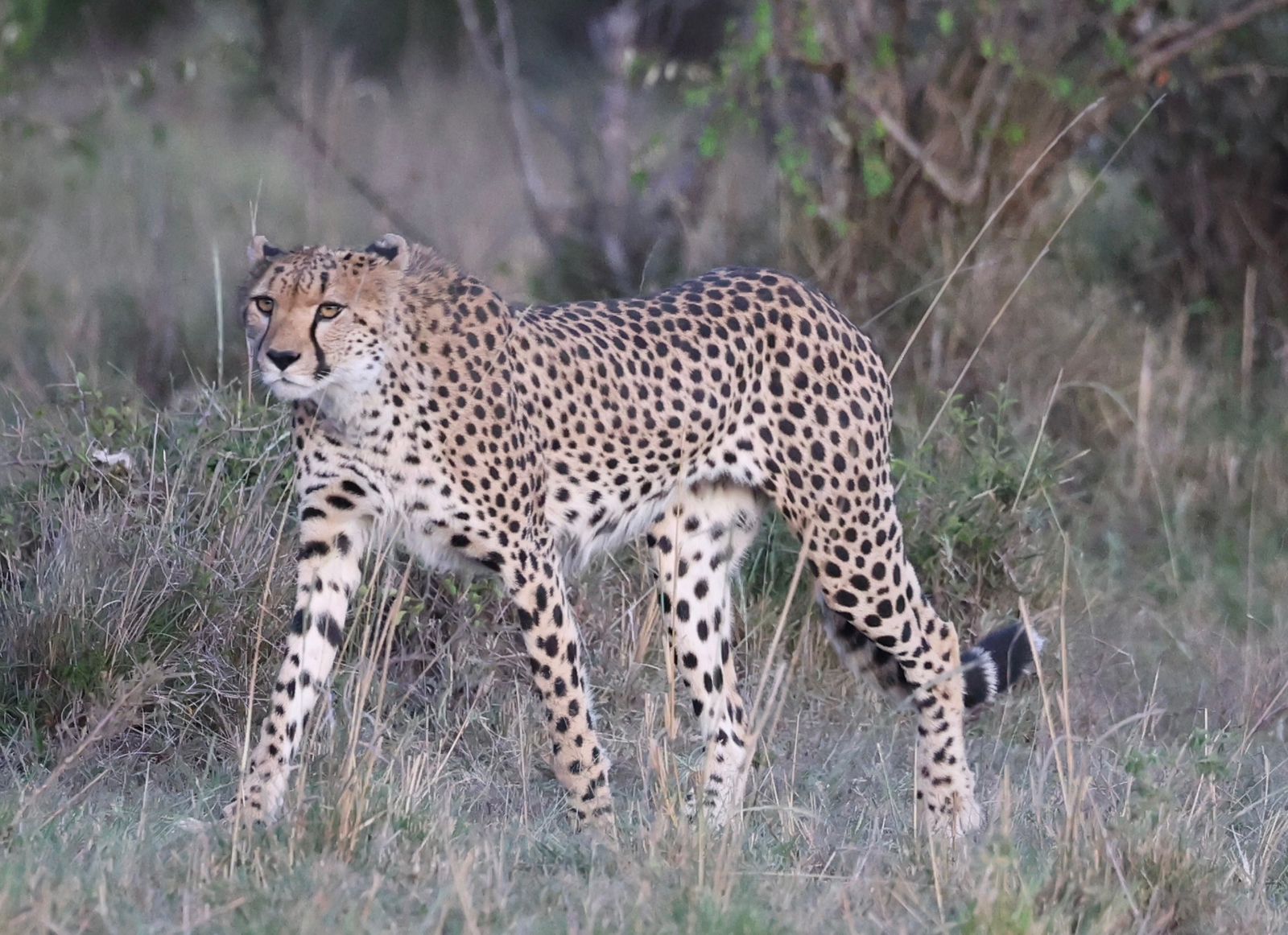
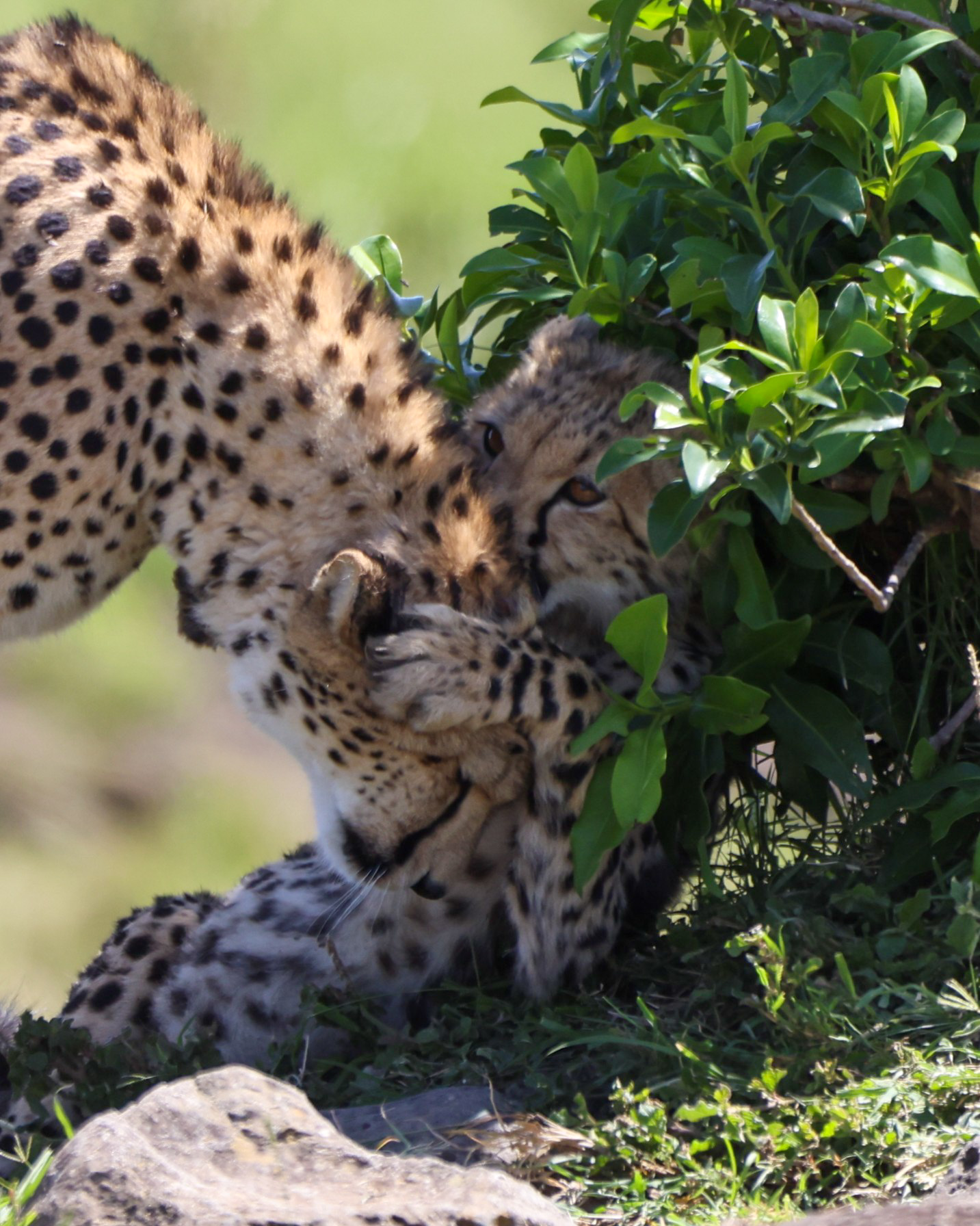
This research will explore whether hyenas shape the availability of low-risk space for more vulnerable species like cheetahs and lions, how these interactions vary across seasons, and where management actions can better support coexistence in shared landscapes. Looking ahead, we hope to expand this work into other conservancies across the Mara as additional funding becomes available.
A huge thank you to Alex Walker’s Serian for their generous support in our hyena work.
The Mara is unpredictable, unforgiving, and constantly shifting. As we bid farewell to Kiminati, our newly deployed hyena collars represent our efforts to understand and protect the complex web of life he leaves behind.
Thank you to our partners and to our supporters for making this work possible.
Field updates compiled by Jacob Soit in collaboration with the MPCP research team.
Be Part of the Story
Support Our Work
The stories you read in Predator Watch are made possible by our dedicated team on the ground and the essential tools they use every day. From monitoring lions and cheetahs across extensive territories to ensuring a Lion Ambassador can patrol safely, every aspect of our work requires resources. You can directly support these efforts and become a part of predator conservation in the Greater Mara.
Here’s how your contribution can make a direct impact:
- $50 buys a pair of sturdy boots to keep a Lion Ambassador on patrol.
- $100 purchases one GPS ear tag for a cow, helping us better understand and mitigate human-wildlife conflict.
- $500 provides fuel and maintenance for one of our 4×4 field vehicles for an entire month, keeping our research assistants on the move.
- $2,500 builds one predator-proof, recycled plastic boma (livestock enclosure), protecting livestock and preventing retaliatory killings.
- $5,000 allows us to purchase and deploy one GPS collar on a lion or cheetah, providing invaluable data on their movements.
Every donation makes a difference and allows us to continue this important work.