Predator Watch #9
A Story of Survival, Loss, and Hope (18th – 24th August 2025)
Every day in the wild, a new story is written.
For a young predator in the Mara, life is lived on a razor’s edge. It is a world of brutal lessons, where fighting for territory is often fatal and the vulnerability of new life is absolute.
This week, our teams witnessed this harsh reality unfold across the ecosystem. From young sub-adult male lions fighting for their lives to the tragic loss of newborn cubs and the quiet courage of a lone cheetah mother, these stories are a reminder that for the next generation, every day is a battle for survival.
Territorial Fights
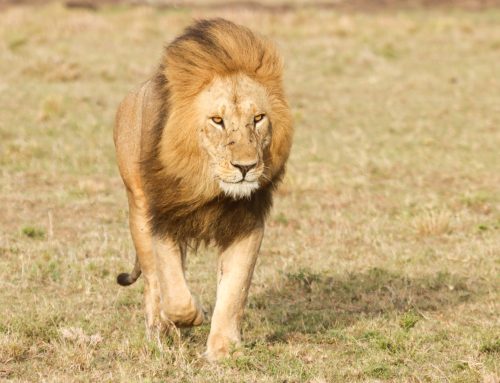
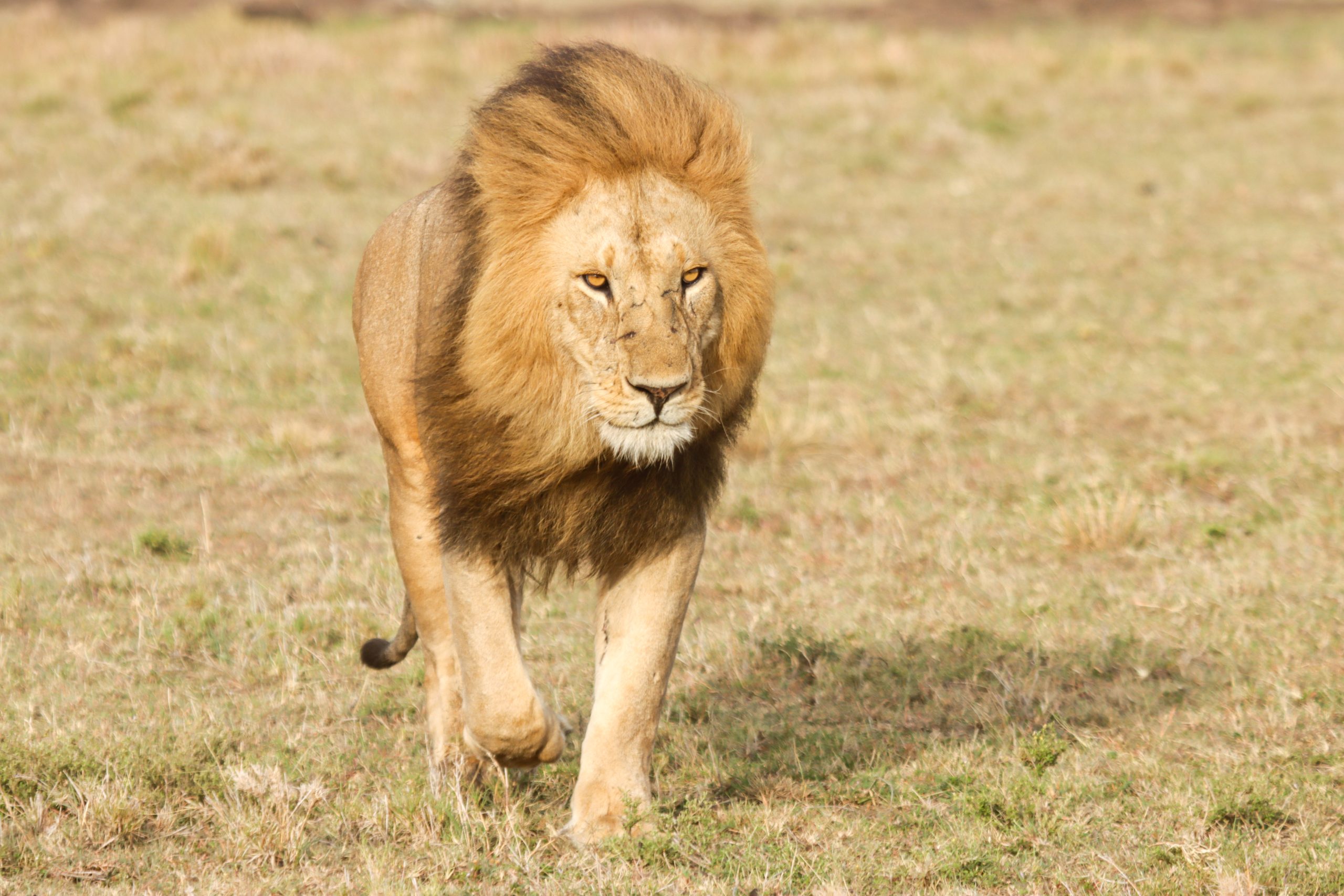
When subadult male lions reach a certain age, typically between 3-4 years, they are pushed out of the pride by their fathers to prevent inbreeding. If there is a takeover by a new male coalition, then all subadults are forced to leave, or they will be killed. Currently, in the Mara ecosystem, several coalitions of dispersed young, subadult males below four years old are trying to find their own territory. In doing so, they often encounter current territory holders, resulting in severe injuries or death for the young males.
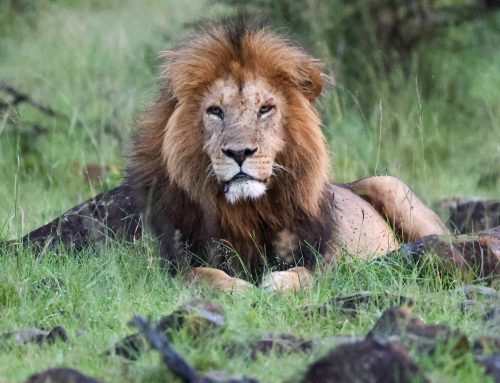
On the southern side of the Reserve along Sand River, the Blackrock area and stretching past Enkewa camp, there are two different coalitions of pride males, both originating from Oloolaimutia (Sopa) Pride. One consists of Oloibor and Manywele, born in 2015 (sired by KWS males Orkini, Benna, and Longo), who now rule the Rocky Valley Pride, also known as Blackrock Pride.
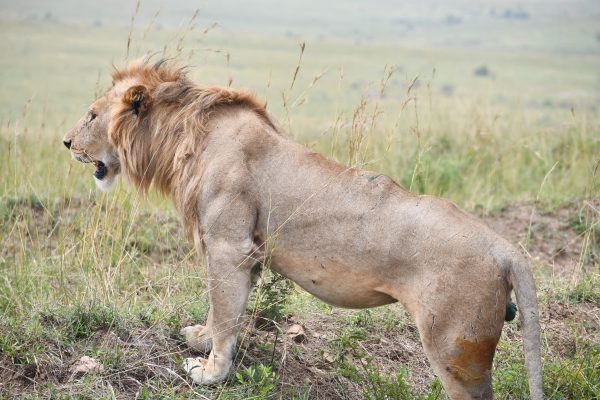
The other coalition includes their younger brothers, known as the Sopa boys, Mandevu 2, Oldorop, Lentim, and Lenchada, born in 2019 and 2020 (sired by the three Topi males, Chungwa, Mandevu, and Droopy), who also rule the Sand River and Salas Breakaway Prides.
In September last year, we first spotted three healthy subadult males in the Blackrock territory. We couldn’t determine their natal pride but believe they might be from Koka Pride and Sand River Prides, which now spend most of their time on the other side of the border, making it difficult to document the subadults, or they could originate from the Serengeti. When they arrived, the Blackrock Pride had small cubs, so the pride moved east of their territory to keep the young safe.
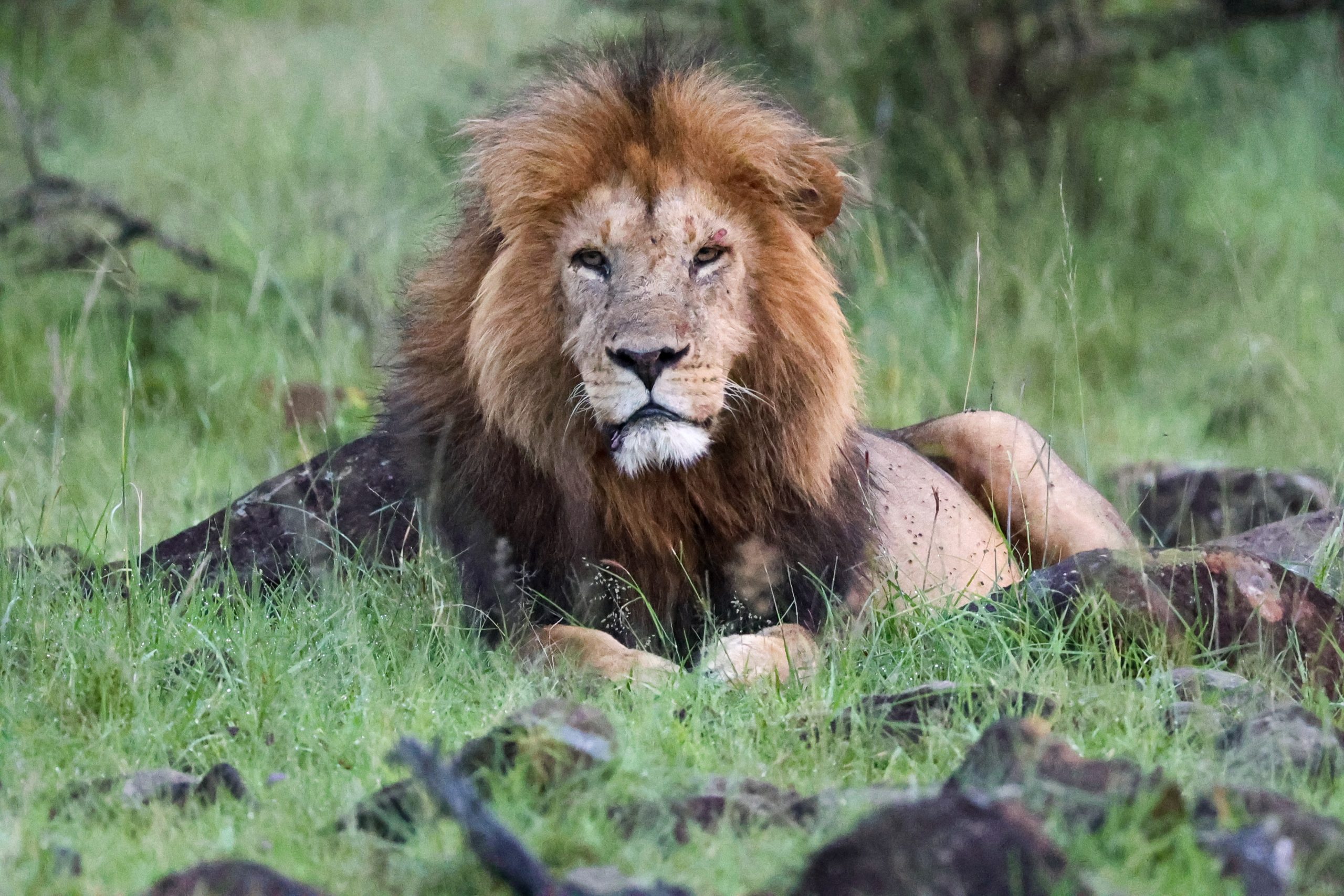
The three subadults now named Ormawoi, Lemayian, and Bare Nose stayed for months without trouble until this week, when the Sopa boys started exploring the Blackrock area, crossing paths with them and severely injuring one of the young males. The guides notified a MPCP researcher camping in that area, who then contacted the KWS vet to treat the injured lion. With the presence of the Blackrock pride males and Sopa boys in the area, these subadults will have to move cautiously around to survive in the area.
New borns
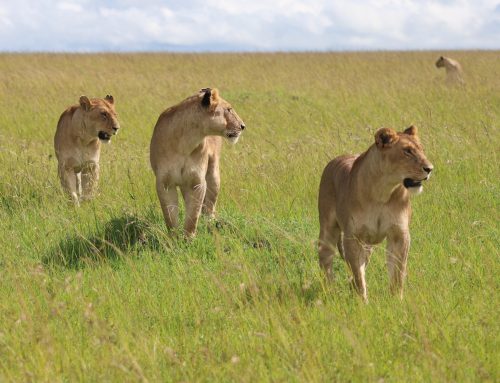
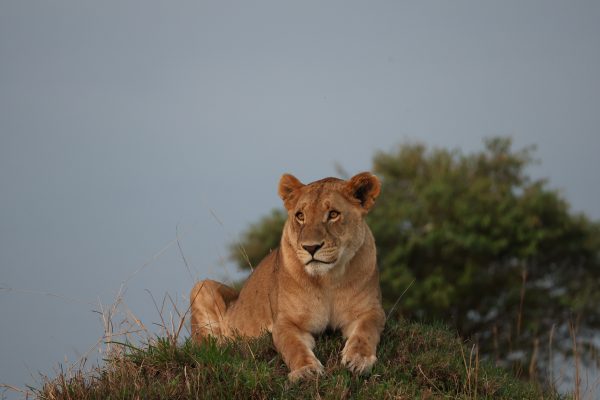
The Paradise Pride has young cubs at the far end of the six-pack controlled area, near the Topi boys, who continue to do well in Musiara Marsh. Muwaji and his partner also roam the area. This makes it risky for the cubs’ survival unless the pride males make more appearances in that area to protect their offspring. The pride also includes three one-and-a-half-year-old subadult males who are sometimes seen hanging out on their own, which can be risky at that early age.
Mara North Incident
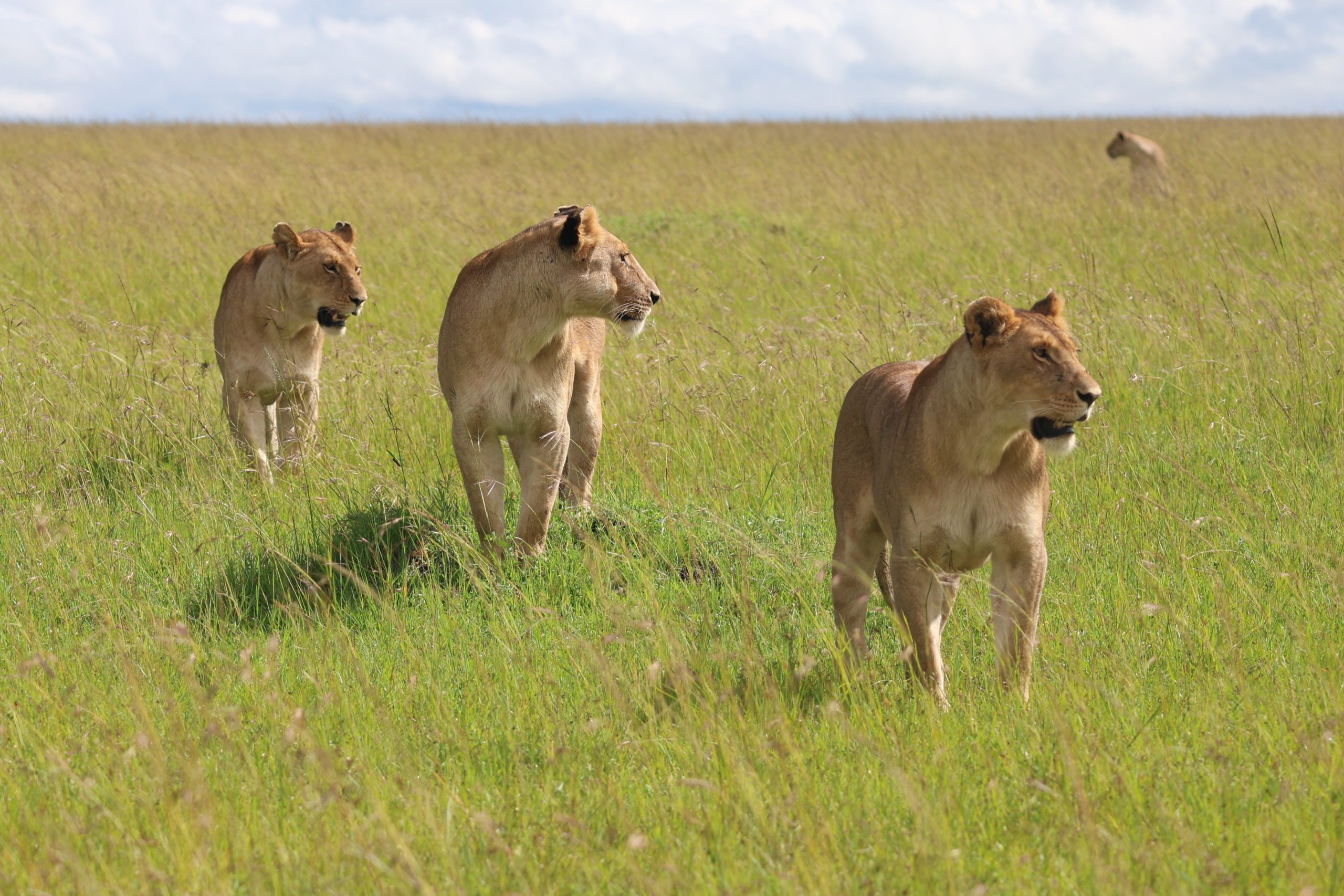
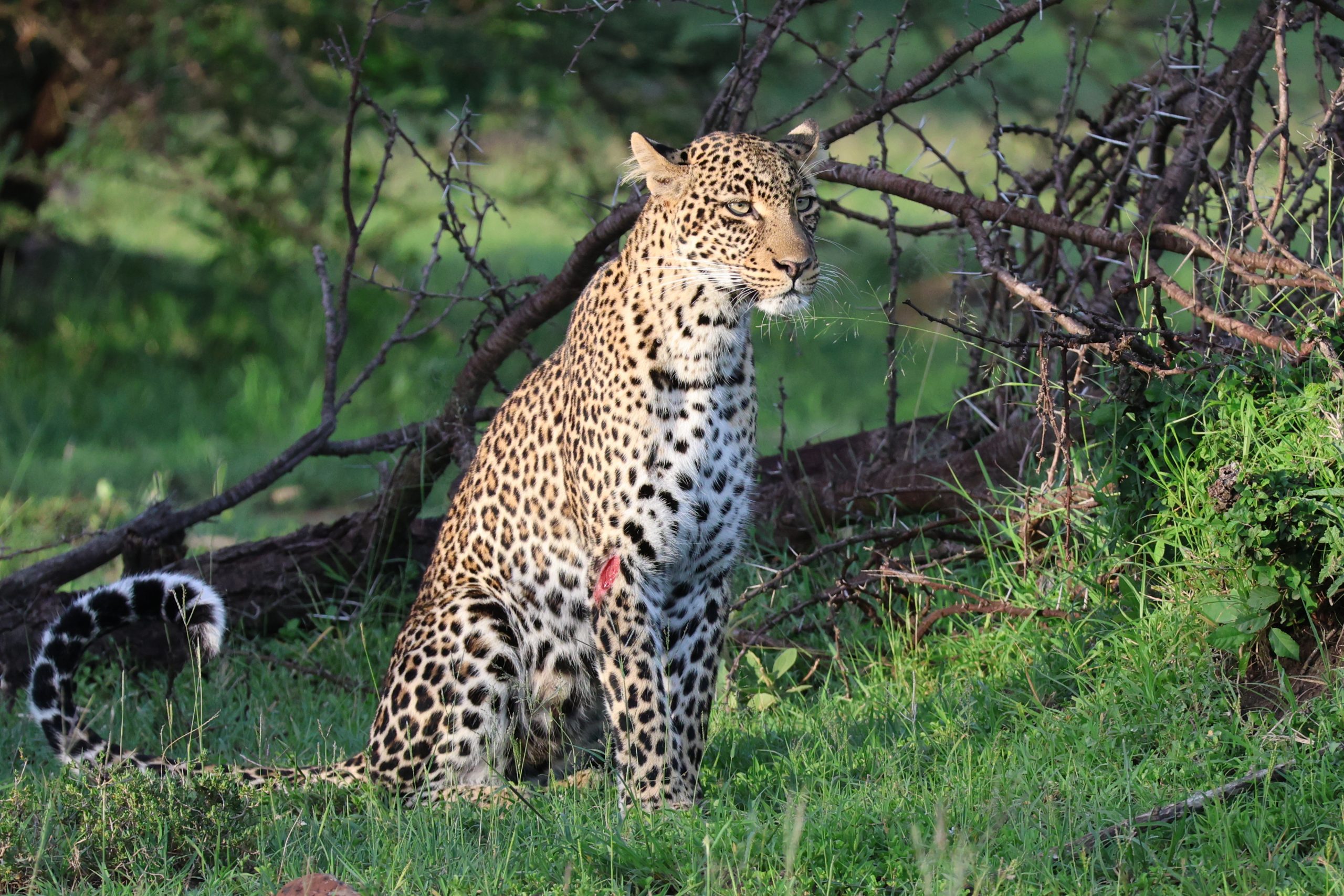
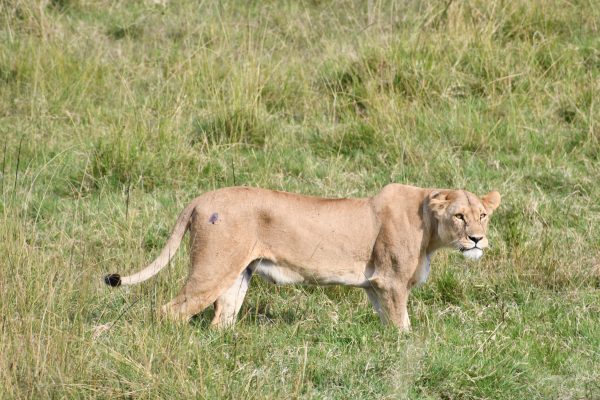
Tragedy struck in Mara North Conservancy when a herd of buffalo found a Cheli Pride female with three cubs still in the den, killing all the cubs and severely injuring the mother as she bravely tried to defend her cubs. Mara North rangers came across the scene too late for the cubs, but they notified the KWS vets about the injured female, who was treated the same day.
The Cheli Pride, which currently has four adult females, has the Engoyanai males, Saningo, Mwana, Lenkoe, and Enkong’u, as their pride males, who seem to be spending more time in Oloisukut Conservancy now. Oronkai, the remaining Iseketa male, has been seen mating with females occasionally, but he keeps a low profile to avoid trouble.
Cheetah Count
Kulete Update
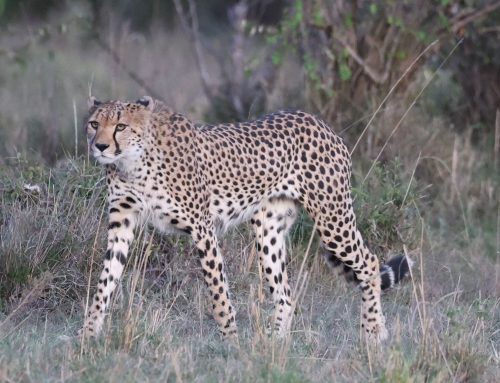
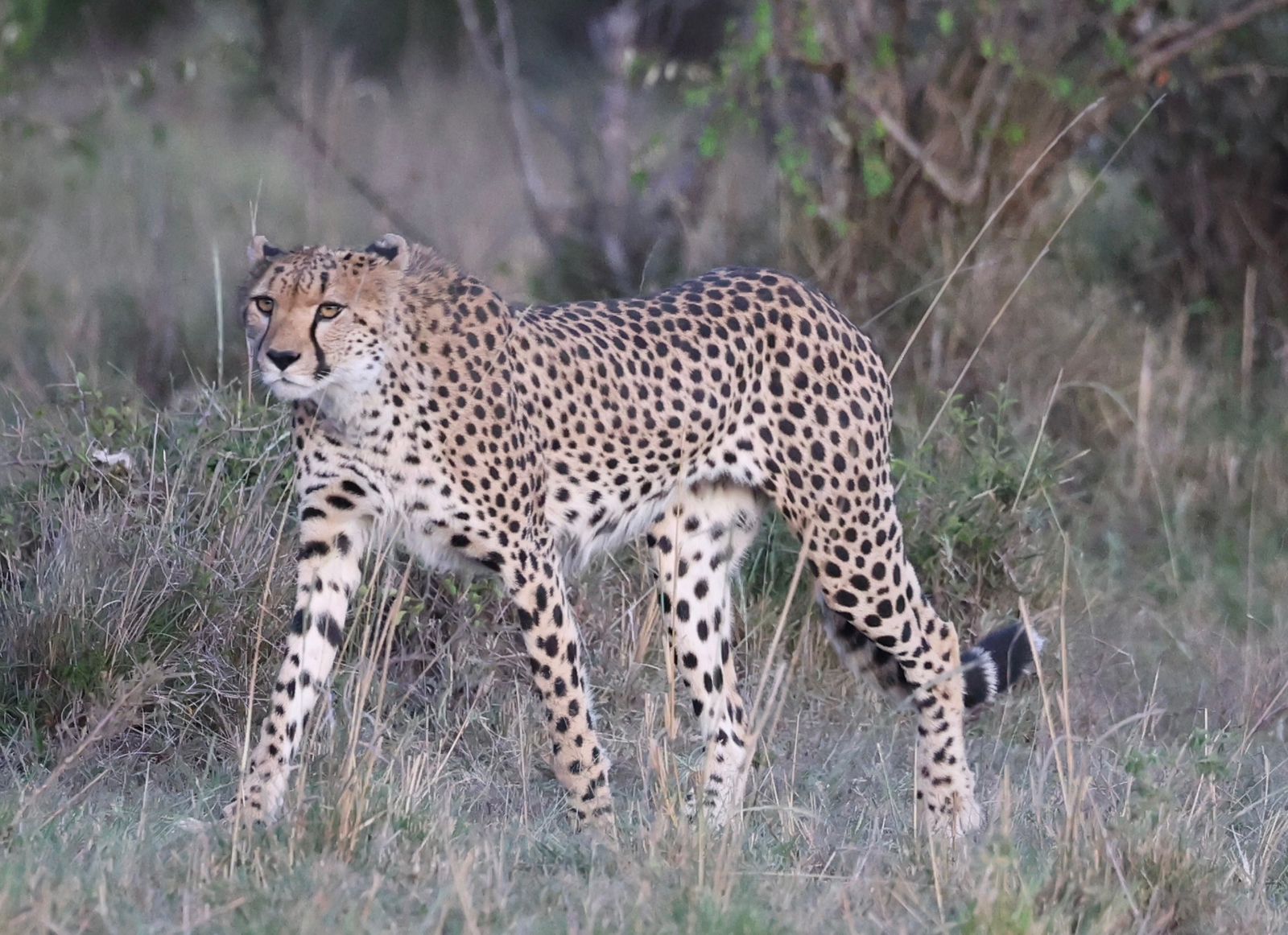
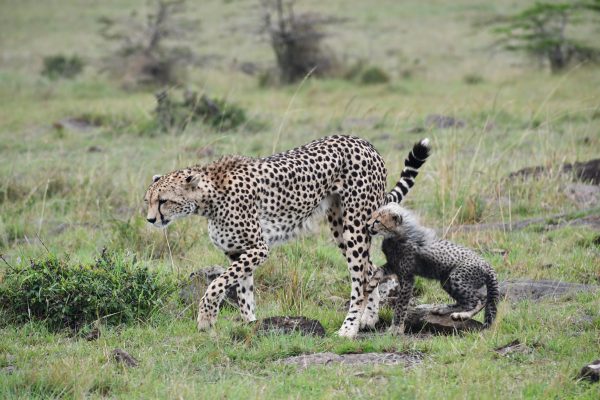
Kulete continues to raise her cub well in Mara North Conservancy, and with every day that goes by, she proves to be an incredible mother, considering the challenges female cheetahs face while raising their cubs. She has been sighted almost every day with a close watch from Mara North Conservancy rangers who continue to look out for the family to keep away grazing cattle from the area and the crowding of tourist vehicles.
Kulete moves around with her cub on the Mara North plains, hunting successfully and feeding her cub. Kulete is Amani’s daughter littermate to Kweli and Jasiri, born in 2018.
This week was a microcosm of life in the Mara: a world of fights, losses, and resilience. It highlights the challenges faced by the next generation of predators and reinforces the importance of our work. By monitoring these species and working with our partners to secure their habitats, we are giving them a fighting chance to survive the perilous journey to adulthood.
Conservation News & Updates
Celebrating Wild Dogs
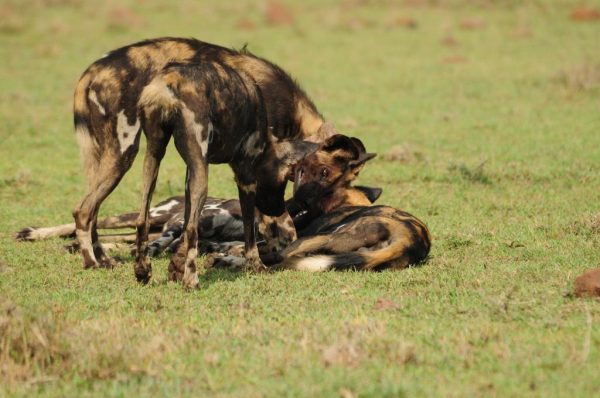
Today, on World Wild Dog Day, we celebrate one of Africa’s most endangered and enigmatic predators. Occupying just 7% of their historic range, wild dogs face threats from habitat loss, disease, and human-wildlife conflict. In response, our team is leading a science-driven effort to protect them.
Since 2018, we have been conducting baseline studies to understand their population dynamics and movement patterns. With your support, through community engagement and domestic dog vaccination campaigns, we are working to create a safer, more tolerant landscape for wild dogs to thrive once again in the Greater Mara landscape.
Be Part of the Story
Support Our Work
The stories you read in Predator Watch are made possible by our dedicated team on the ground and the essential tools they use every day. From monitoring lions and cheetahs across extensive territories to ensuring a Lion Ambassador can patrol safely, every aspect of our work requires resources. You can directly support these efforts and become a part of predator conservation in the Greater Mara.
Here’s how your contribution can make a direct impact:
- $50 buys a pair of sturdy boots to keep a Lion Ambassador on patrol.
- $100 purchases one GPS ear tag for a cow, helping us better understand and mitigate human-wildlife conflict.
- $500 provides fuel and maintenance for one of our 4×4 field vehicles for an entire month, keeping our research assistants on the move.
- $2,500 builds one predator-proof, recycled plastic boma (livestock enclosure), protecting livestock and preventing retaliatory killings.
- $5,000 allows us to purchase and deploy one GPS collar on a lion or cheetah, providing invaluable data on their movements.
Every donation makes a difference and allows us to continue this important work.