Predator Watch #21
A Mara icon lost, & Shifting territories (23rd – 29th March 2026)
Every day in the wild, a new story is written.
Welcome to the 21st edition of Predator Watch. This week, we bring you a sobering update from the field. The Mara is a wild, unforgiving landscape where power dynamics shift rapidly, and even the strongest are not immune to tragedy.
Recently, we lost one of the Mara’s lions in a fierce territorial clash. At the same time, we are observing a concerning trend in which lion prides are shifting toward the ecosystem’s periphery in search of prey, bringing them dangerously close to human-dominated landscapes. However, as the boundaries between wildlife and communities blur, our teams are utilizing cutting-edge technology and Lion Ambassadors to prevent conflict before it happens.
Here is the latest on shifting territories of the Mara and our efforts to protect its predators.
The death of Seenka
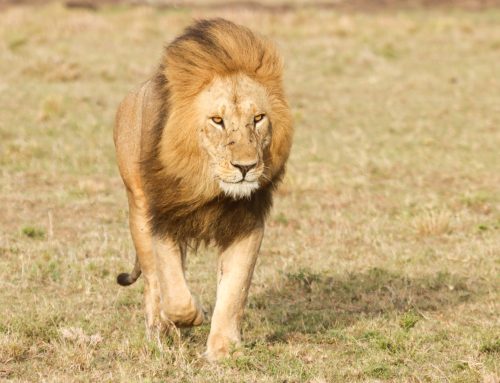
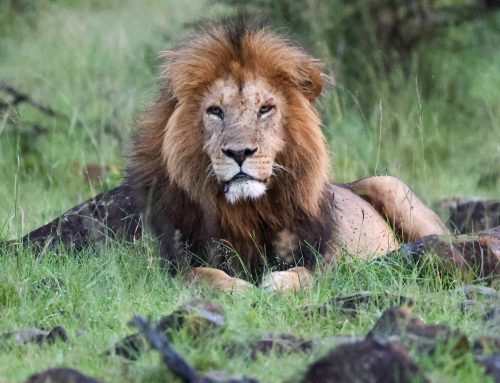
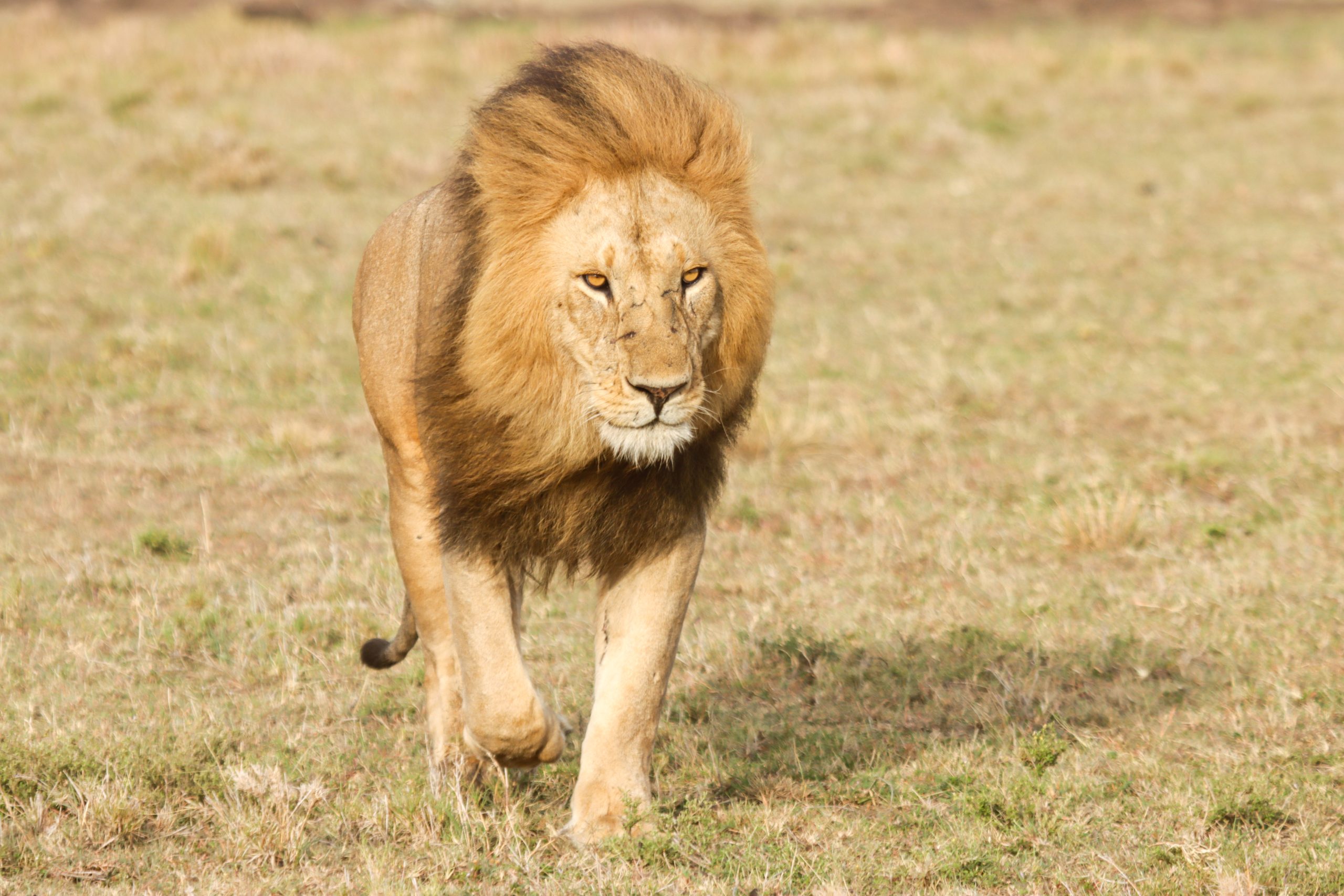
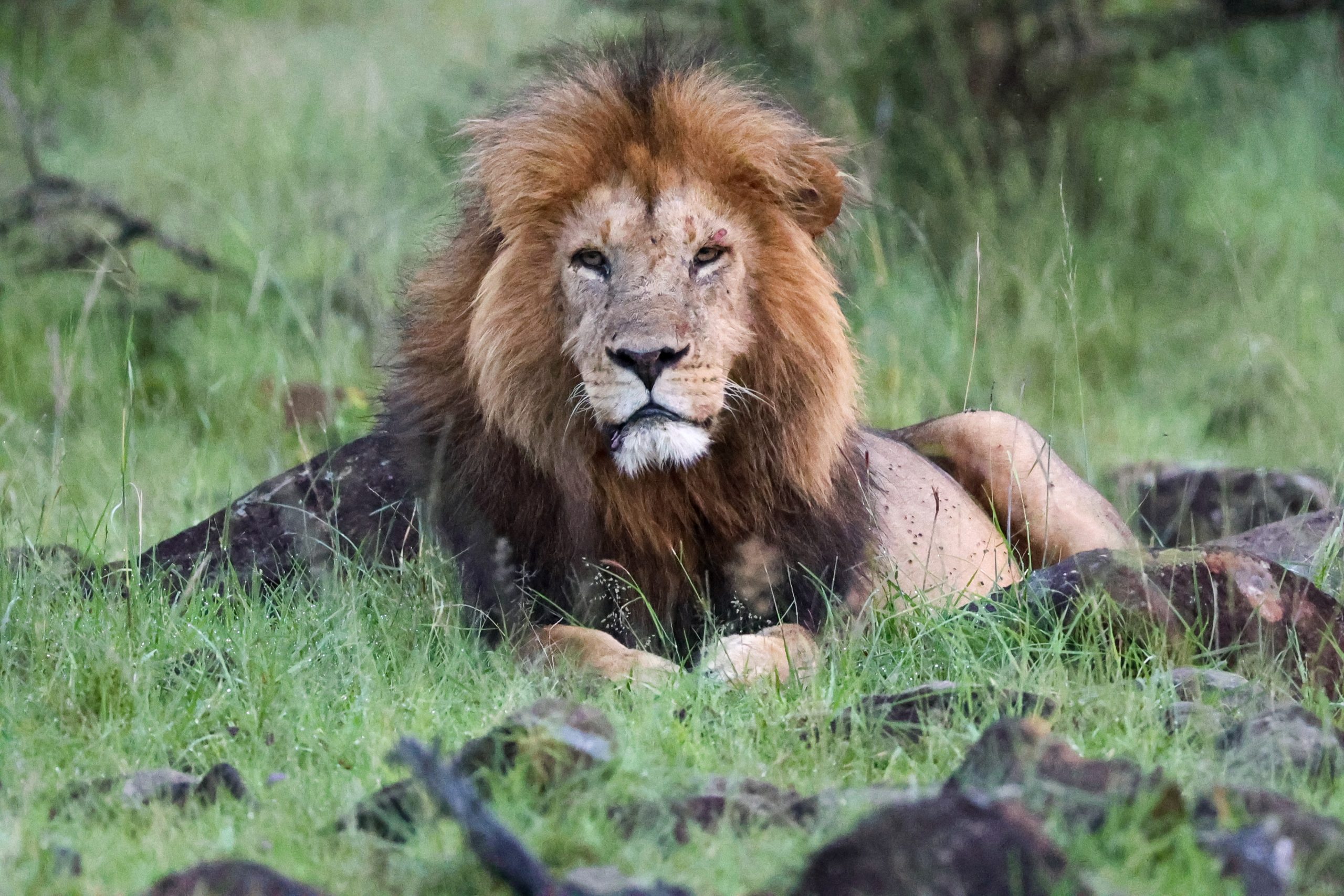
On Thursday 26th March we sighted the two Sankai males, Seenka and Kini feeding on a hippo kill near the Lemek Conservancy HQ. Both were well fed and in good shape feeding and resting inside the thick bushes they were in. On Friday night a huge fight broke out around the same area, where the two males were feeding on the hippo, as described to us by one of the Mara Elephant Project rangers. They investigated first thing in morning and unfortunately, they found a male lion already teared apart by hyenas, who were still on the scene. We identified the male lion to be Seenka who was one of the biggest and magnificent lions in the Mara.
Based on the circumstances and recent movements, we believe Seenka was killed during a territorial clash with the four Engoyanai males. This coalition, Mwana, Enkong’u, Saning’o, and Lenkoe, was sighted the following day in Olchorro Conservancy, having already asserted control over Lemek Conservancy. Kini, Seenka’s coalition partner, has not been sighted since Thursday. We remain hopeful that he survived the encounter and is safe.
This is a powerful and aggressive coalition that continues to expand its dominance. Notably, in May last year, they killed one of the Oloisukut males, and in a rare display of behavior, one of them was observed feeding on the carcass, an unusual occurrence among male lions.
It is still too early to determine whether the Engoyanai males have abandoned their prides and territories in Oloisukut and Mara North Conservancies, or whether they are attempting to expand further into Lemek and Olchorro Conservancies. If the latter is the case, this expansion could make them the coalition with the largest territorial range in the Mara ecosystem at present.
However, such a wide-ranging territory may come at a cost. With males spread across multiple prides, the time they can spend with each group is reduced, potentially lowering cub survival due to increased vulnerability to incoming infanticidal males. That said, it is not uncommon for coalitions to abandon prides after several years of tenure, as is the case with the Mara North Conservancy prides. The Oloisukut Pride, in contrast, was only recently taken over and may therefore remain a priority.
Serena Rongai dispersing females
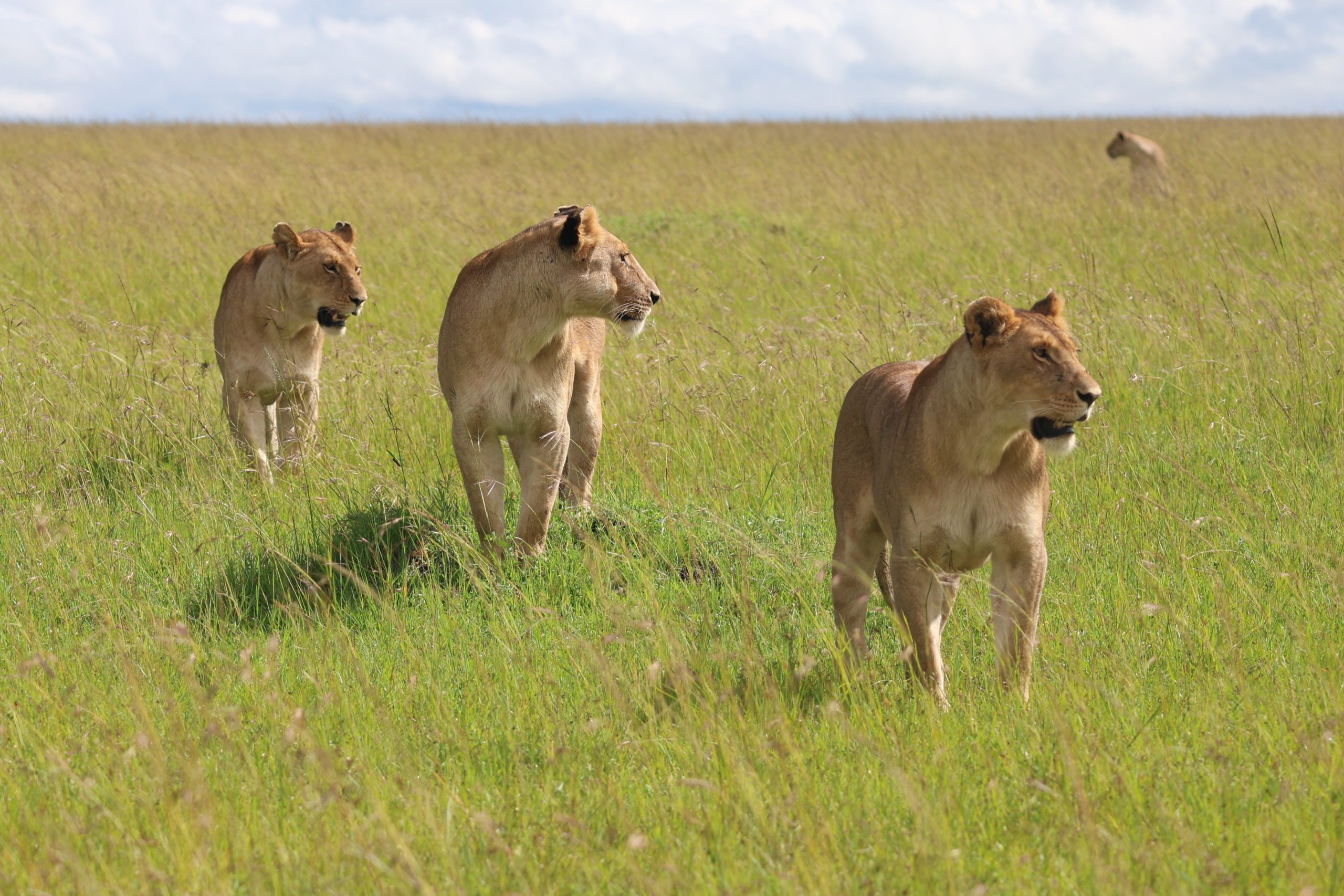
We recently sighted the six Serena Rongai dispersing females around Piyayoi. All six were on the move, trailing a herd of buffalo with clear intent, hoping to bring one down. Despite their coordination and visible desperation, the hunt was unsuccessful, a reminder of just how difficult and energy-demanding buffalo hunts can be.
Since their dispersal, these females have shown a wide-ranging and dynamic movement pattern. Initially, they moved down the Olkeju Rongai side, where they spent some time before shifting towards the Majani Chai area. It was here that they crossed paths with the Kazkaz males.
Interestingly, their movements have not been confined to a single zone. We have also recorded them at the Topi Plains, within the territory of the remaining Maji Ya Fisi pride females. Now, they appear to have returned to the old Rongai territory where they were raised and this is where they have been sightings of them mating with Mzee and Lorkinyei, who are currently the presumed pride males.
A key driver behind their movement appears to be prey availability. These six females seem to be closely tracking buffalo herds, which currently represent the only viable prey large enough to sustain a group of this size within the Reserve, especially given the ongoing scarcity of prey species.
When you analyze their movement patterns more broadly, a concerning trend emerges. There is a noticeable shift of lion prides from the deeper parts of the Reserve, characterized by tall grass and reduced prey visibility, towards the periphery, where shorter grass supports higher prey density. However, this shift comes at a cost.
The periphery brings lions closer to human-dominated landscapes, where livestock grazing, often at night, creates both opportunity and conflict. This overlap significantly increases exposure to human pressure, heightens the likelihood of territorial clashes between prides and coalitions, and ultimately contributes to elevated mortality rates.
Conservation News and Updates
EarthRanger and Our Lion Ambassadors
Protecting predators in this shared landscape requires rapid, coordinated intervention. Our efforts in stopping human-wildlife conflict before it happens involve monitoring GPS-collared lions through the EarthRanger platform.
We’ve drawn virtual ‘geofences’ around the boundaries between protected areas and community lands. When a lion crosses that invisible line, an automated alert is triggered. That alert goes directly to our Lion Ambassadors, local Maasai community members, stationed across various zones in the Greater Mara Ecosystem.
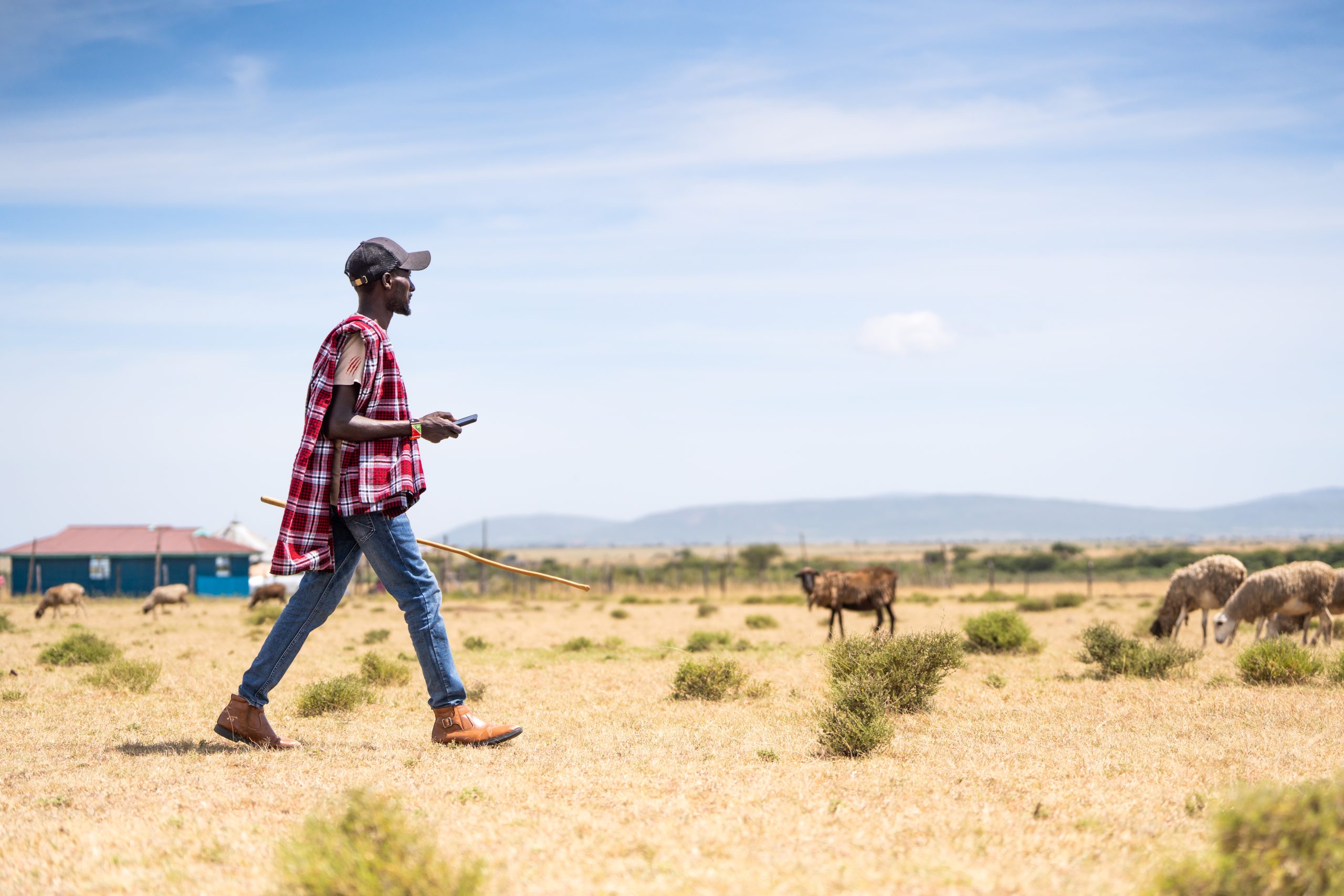
They immediately deploy to the area to warn the community, de-escalate tensions with herders, and secure bomas (livestock enclosures). Because our Ambassadors are constantly patrolling these high-risk buffer zones, they also act as an essential anti-poaching presence, actively identifying and removing illegal wire snares before they can harm the wildlife.
Be Part of the Story
Support Our Work
The stories you read in Predator Watch are made possible by our dedicated team on the ground and the essential tools they use every day. From monitoring lions and cheetahs across extensive territories to ensuring a Lion Ambassador can patrol safely, every aspect of our work requires resources. You can directly support these efforts and become a part of predator conservation in the Greater Mara.
Here’s how your contribution can make a direct impact:
- $50 buys a pair of sturdy boots to keep a Lion Ambassador on patrol.
- $100 purchases one GPS ear tag for a cow, helping us better understand and mitigate human-wildlife conflict.
- $500 provides fuel and maintenance for one of our 4×4 field vehicles for an entire month, keeping our research assistants on the move.
- $2,500 builds one predator-proof, recycled plastic boma (livestock enclosure), protecting livestock and preventing retaliatory killings.
- $5,000 allows us to purchase and deploy one GPS collar on a lion or cheetah, providing invaluable data on their movements.
Every donation makes a difference and allows us to continue this important work.