Predator Watch #3
A Week of Chaos and Opportunity (7th – 13th July 2025)
Every day in the wild, a new story is written.
The moment we’ve been waiting for has arrived. This week, the Great Migration began, with thousands of wildebeest pouring across Sand River into the Maasai Mara National Reserve from Serengeti. This sudden, massive influx of prey has sent shockwaves through the ecosystem, creating a landscape of opportunity and conflict. For the Greater Mara’s predators, it’s a time of feasting, but also a time of high-stakes tension as territories are tested and old rivalries flare. Here is what our team witnessed on the front lines.
Migration Effect
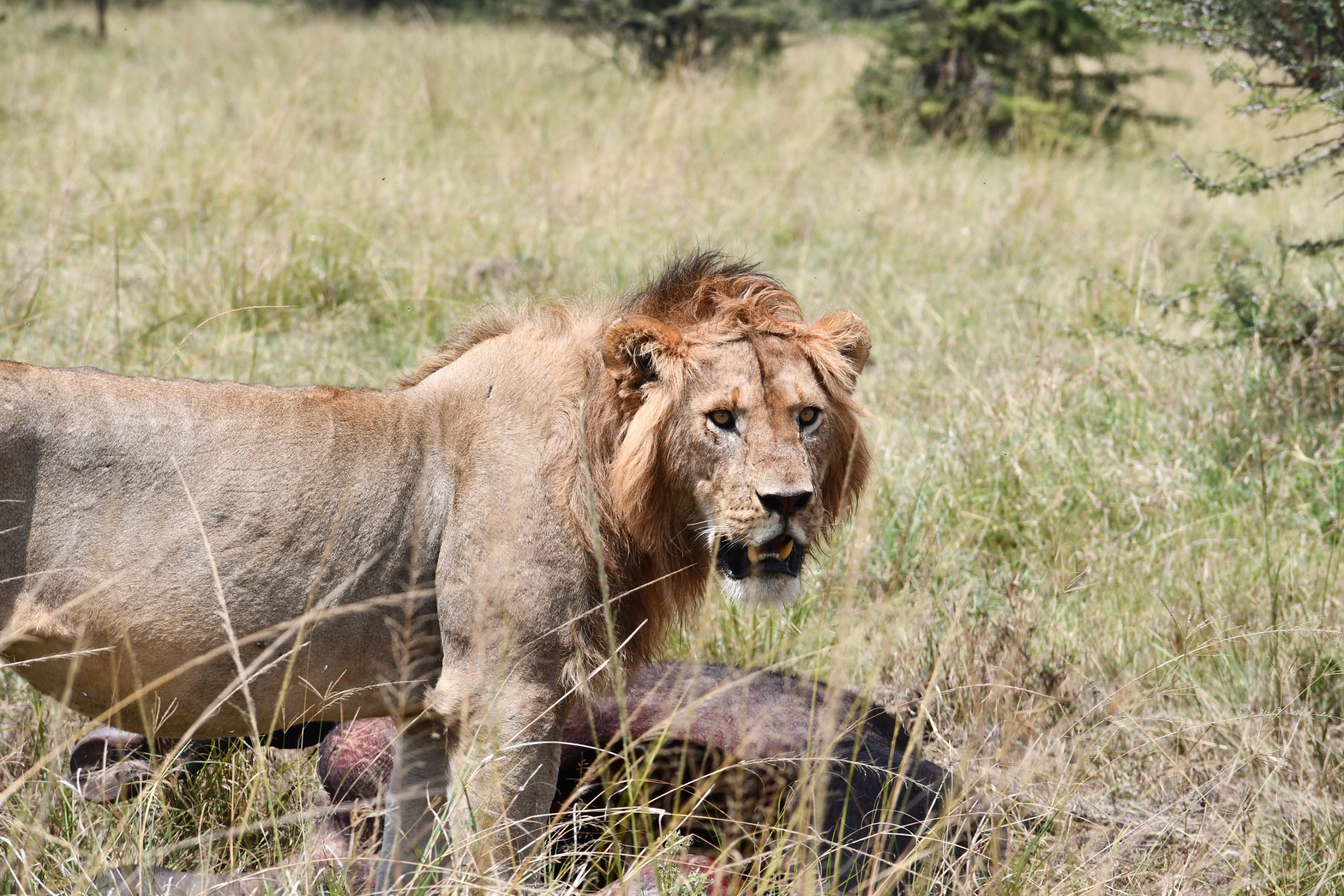
The great wildebeest migration started this week as thousands crossed from Serengeti to the Mara. The sudden influx of prey has caused a shake-up in predator positions. Along the Sand River crossing points, four different male coalitions were spotted not far from each other. The Kazkaz males have their territory in that area, and they sometimes overlap with Orkirikoi, the pride male of the Survey Pride, who holds a prime location right at the migration’s first access points after crossing the sand river.
Also nearby are the Rongai subadults Olonkera, Lepiyayoi, Ololtapata, Kidong’oe, and Orongai, who have not left the area since their confrontation with Orkirikoi and have gone as far as the Kenyan Tanzanian border. These boys have been making the most out of the migration, taking down prey almost daily. But they tread on dangerous ground, surrounded by big males who won’t hesitate to challenge them.
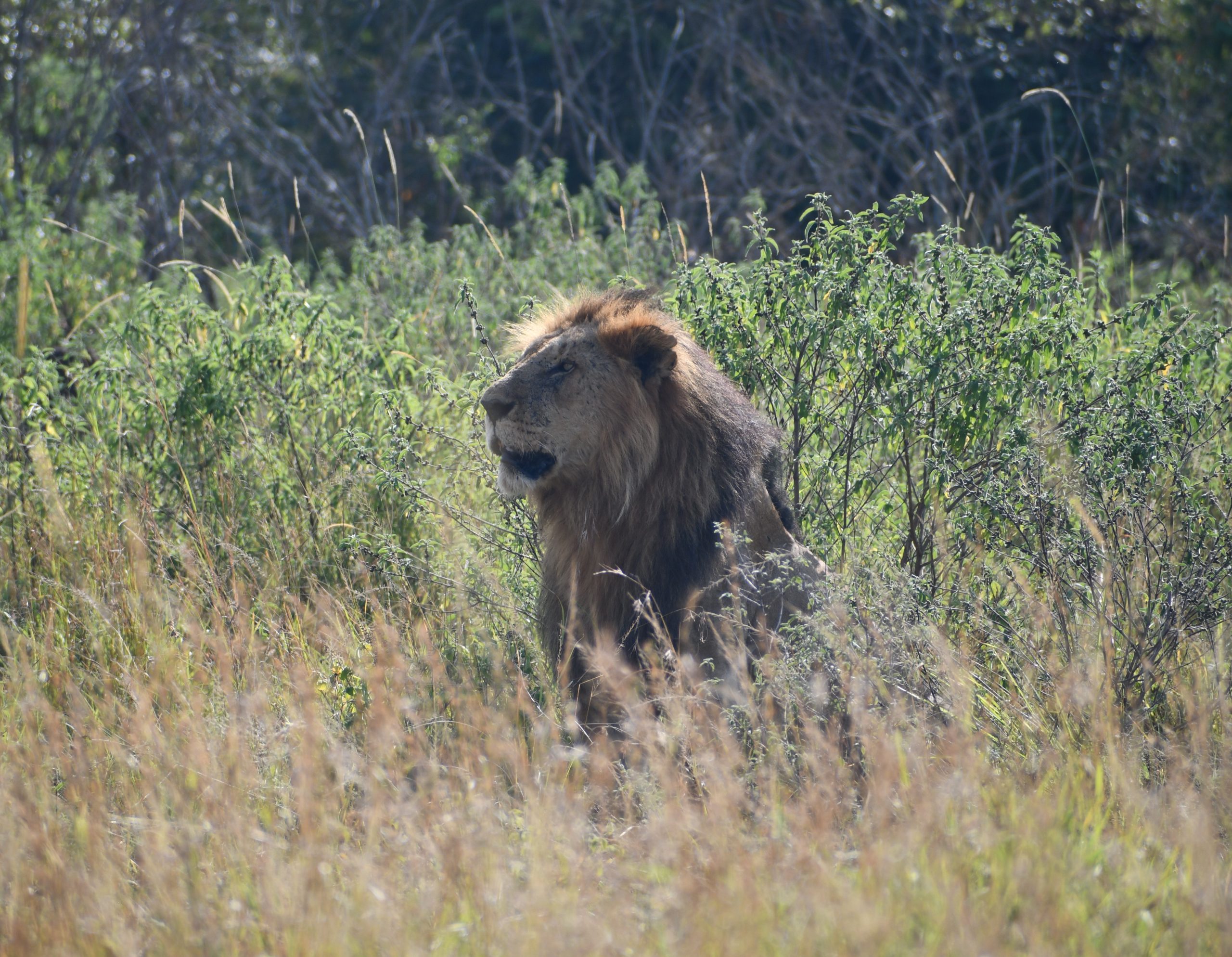
And the most interesting part of the story is the presence of the Ngiro Are nomads, aka the Inserlberg males. These males spend most of their time in the Mara Triangle but are seen in the Reserve occasionally. We sighted Nusu and Ruka, two of the Inserlberg males, this week hunting wildebeest near the northern Sand River crossing. It is interesting to see how the migration will continue to affect predator movements and dynamics for the next couple of months.
Always in Harm’s Way
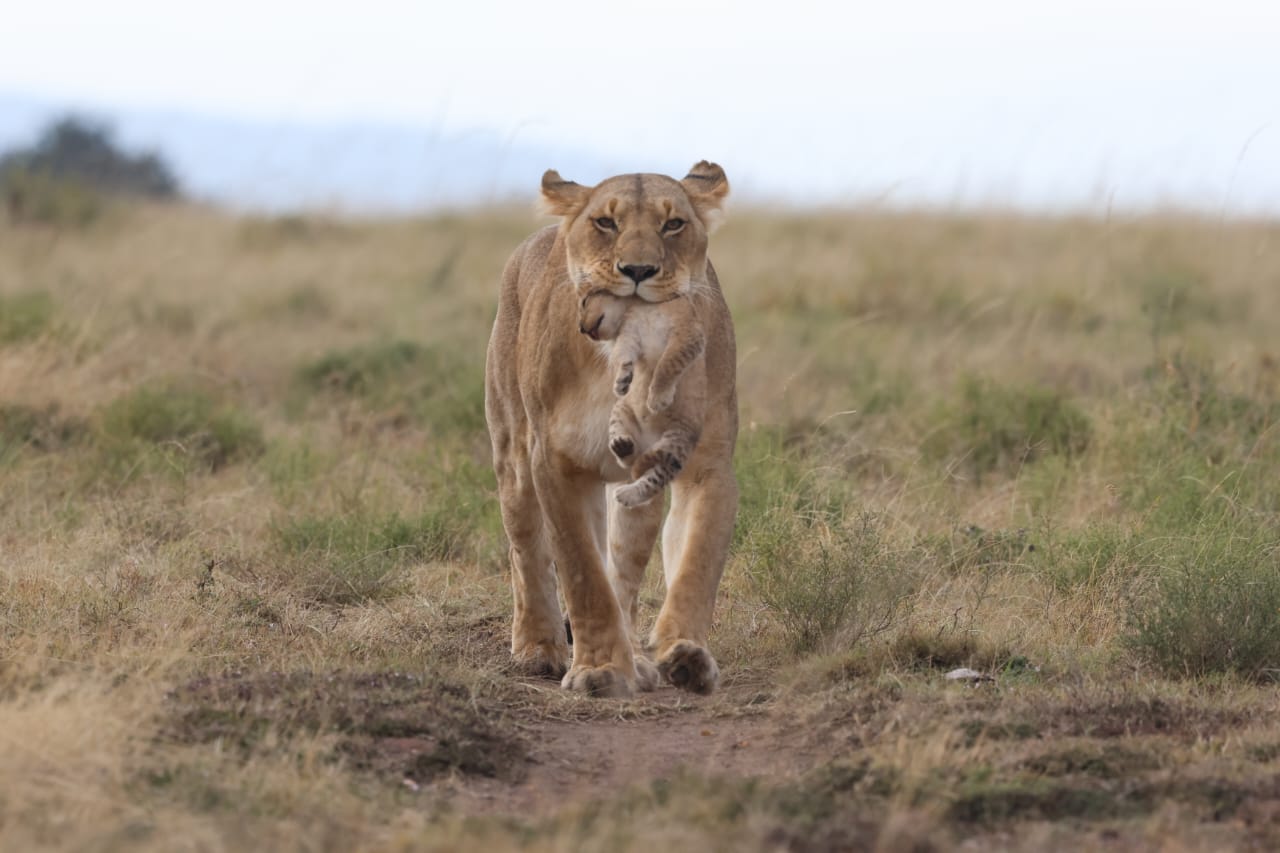
The Sampu Enkare Pride continues to walk the tightrope of survival. This week, one of Nariku’s daughters, from her 2021 litter, was seen relocating her three tiny cubs from the Olare Sampu area to Ndorobo. Olare Sampu, which borders Naboisho and Olkinyei Conservancies, is risky territory because the Ilkisiausiau males, now pride males of Sampu Enkare Breakaway Pride, are sometimes seen in that area. Ndorobo is not safer either, as the Enesikiria Breakaway females are also denning nearby. The last cubs to survive in Sampu Enkare were from the 2021 litter, sired by two Keekorok Nomads, who consisted of an unknown male and a Fig Tree-born male.
Photo © roonsoit
The Rongai males killed the unknown male in January 2022, while the other fled. Nariku somehow managed to raise the remaining cubs quietly during that chaos. Since then, no cubs have made it to independence in this pride. Intruding males, shifting boundaries, and the lack of stable pride males have made every step forward a struggle. With the Rongai males, who are the fathers, often hanging around, we hope that the pride will manage to raise their cubs successfully.
A Morning in Mara North Conservancy
The Offbeat pride took down a buffalo early in the morning, and with them were four of the six Cheli-born males, known to many as Acacia boys. However, not everyone was welcome at the dining table. The pride’s subadult females, sired by the now-ousted Engoyanai males, joined in on the feast. Still too young to mate and thus of no current interest to the Acacia boys, their presence initially stirred aggression. The males attempted to drive them off, but the young lionesses, who are less than 2 years old, showed submission, and surprisingly, the Acacia boys relented, and the entire pride fed together. One 4-month-old cub, who is the first generation of the Acacia males, was also present.
In mid-June, we sighted these young males in Olare Motorogi Conservancy, mating with the Oldikdik Pride females. Olare Motorogi Conservancy was once ruled by mighty coalitions, including the famous coalition of Olbarnoti and Lolpapit, but now sees only a single Fig Tree male, Osupat, and a yet-to-be-identified coalition of two males with the Iseketa pride, left standing. With few coalitions present, the Acacia Boys are seizing the moment, expanding their influence and bloodline. Of notable presence among them is Rudi/Olomunyak, who is two years older than his younger brothers. With their number, these young males can rule prides both in Olare Motorogi and Mara North Conservancies.
Cheetah Count
A Flicker of Hope in an Absolute Crisis
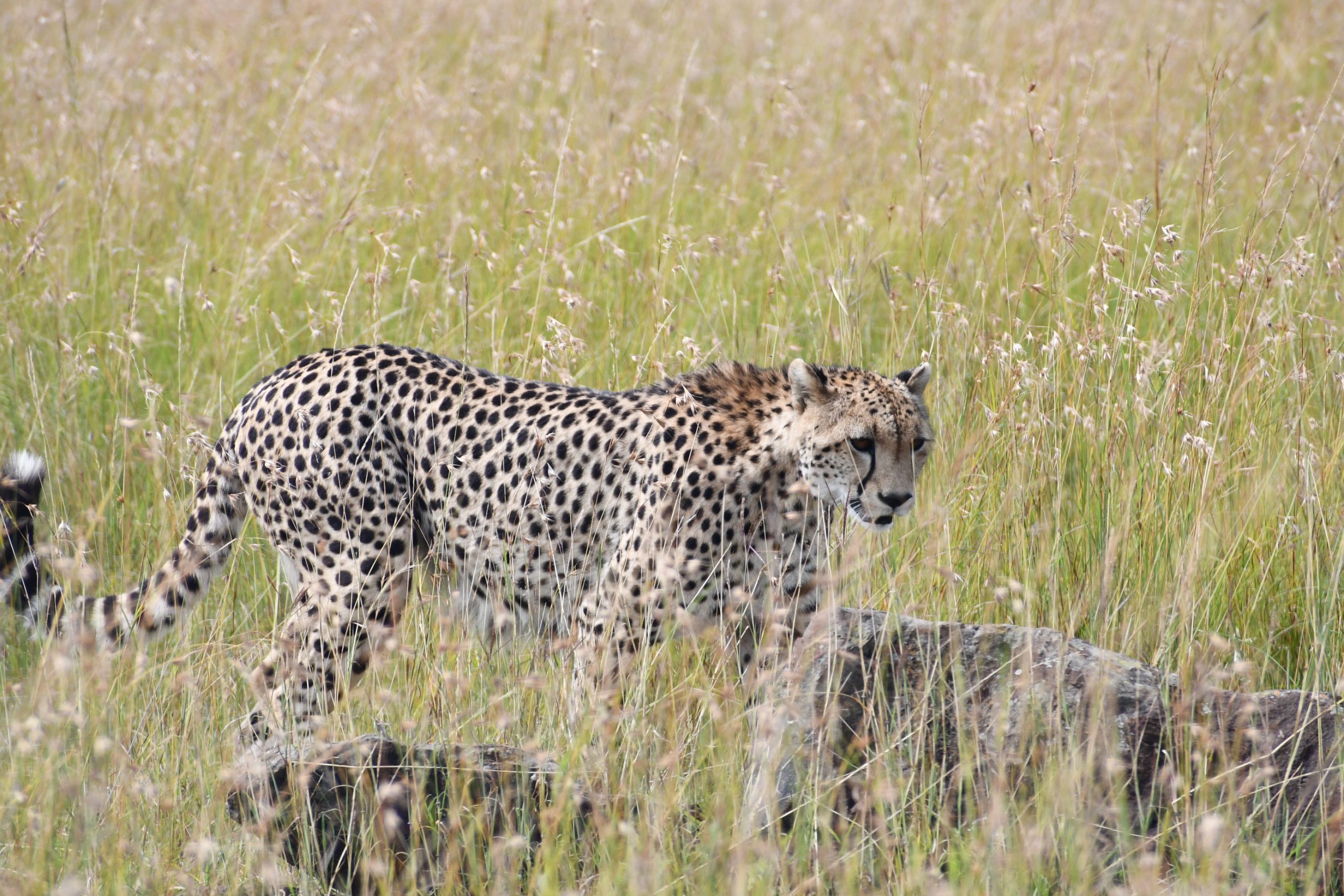
Cheetah numbers in the Mara are in crisis. With every week, the worry grows, especially over the disappearance of resident adult females over the last few years, their failed litters, and many of their subadult daughters not seen after dispersal. This week, we witnessed a flicker of hope. Kulete, a female cheetah whose home range lies within the conservancies, brought one cub out of the lair in Mara North Conservancy. Three days later, we observed her as she was going out to hunt before returning to her little one. Cheetah cub survival is very low, as many animals are a threat to their survival, especially at the den.
But with some luck and Kulete’s experience, we hope this one makes it through to independence, adding to the cheetah population in the Mara. We will continue to closely monitor Kulete’s family progress, working closely with Mara North Conservancy rangers, and to keep you updated.
Where is Olomunyak now?
In January 2025, a remarkable chapter began in the life of Olomunyak, a young male cheetah born to Namunyak, when he dispersed from his mother just one month after we fitted him with a GPS collar. This collar will help us answer one of the Mara’s most persistent mysteries: Where do dispersing cheetah males go? In his first months of dispersal, Olomunyak moved around the peripheries of the conservancies and occasionally appeared inside the Reserve.
In our last update, we mentioned that Olomunyak had already crossed the border into Tanzania. Since then, he crossed back to Kenya and spent some time around the Sand River and Olderkesi areas. This week, Olomunyak crossed deeper into Tanzania, moving west towards Serengeti National Park, charting his path, far from his natal range.
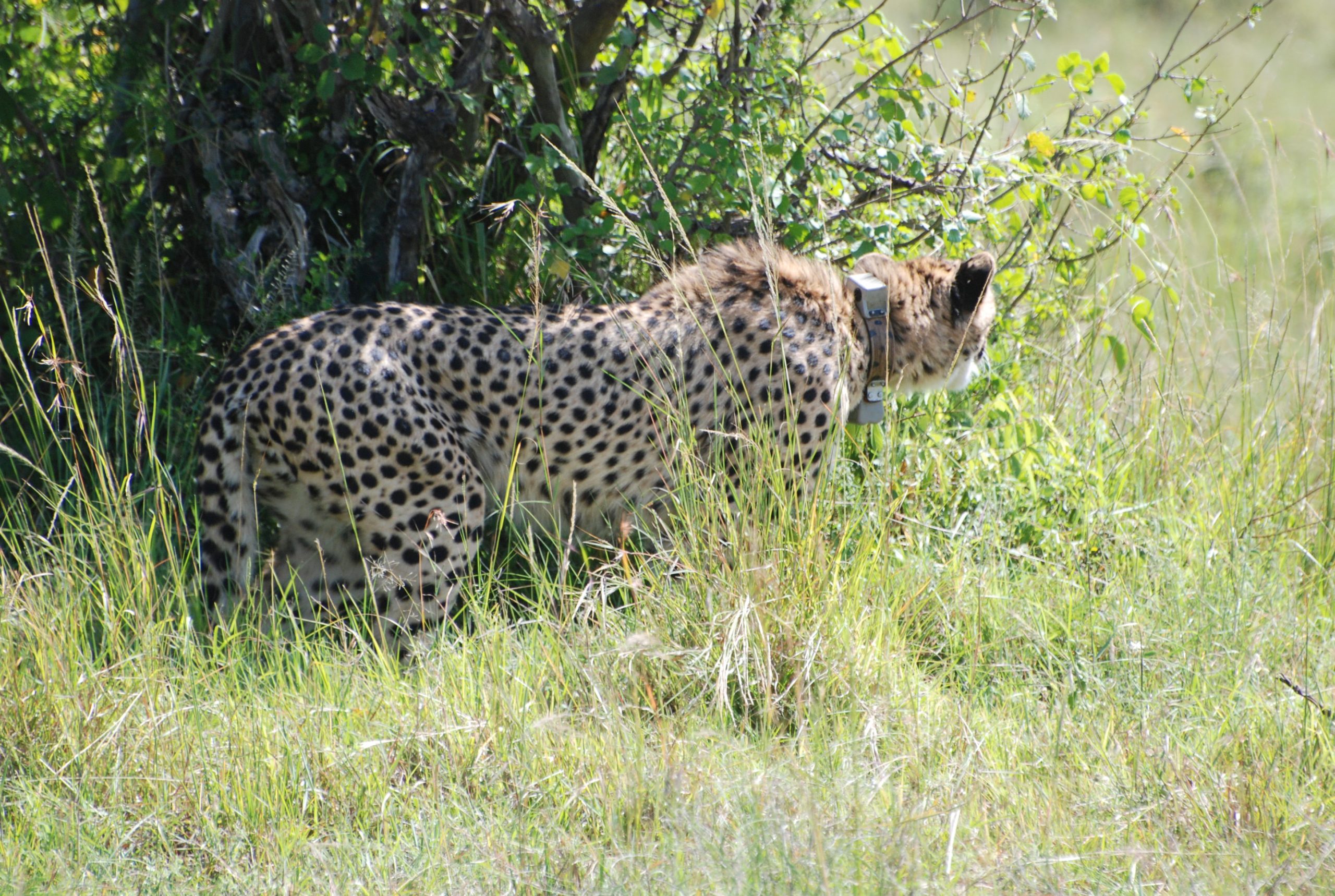

The GPS collar is an essential tool in shedding light on cheetah dynamics post-dispersal, a life stage where many young males seem to vanish without a trace. With Olomunyak’s journey, we’re learning more about this period of their life and gaining insights that can help us shape conservation strategies for cheetahs in the greater Mara ecosystem. Olomunyak is doing absolutely fine wearing a collar, moving, and hunting successfully.
From lions clashing over migration routes to the quiet courage of a cheetah mother and the journey of a lone male, this week features the constant drama of the Mara. Every story, whether of conflict or hope, provides important data that fuels our conservation work. Thank you for following along and supporting our mission to protect these predators.
A Note on Our Field Reporting
As we share these stories from the field, we want to offer a brief insight into our research process. The Greater Mara Ecosystem is a vast landscape, home to numerous dedicated conservation organizations. Our team, like others, is in the field every day, and it’s quite common for different research groups to witness and report on the same events, such as a pride’s hunt or the dispersal of a species.
We want to assure you that all the updates and narratives shared in our posts are the product of our team’s direct observations and independent fieldwork, often supplemented by information shared with us by the knowledgeable guides who work across the region. We respect the work of all our fellow conservationists and believe that our shared passion and parallel efforts are a great strength for the Mara. Ultimately, we are all working towards the same goal: securing a future for these predators.