Predator Watch #2
A Week of Hope in the Mara (30th June – 6th July 2025)

Every day in the wild, a new story is written.
This week in the Mara, we were reminded that the wild is a world of resilience, reunion, and hope. From a lion pride reforging its bonds to a ghost-like leopard revealing her success, and the celebrated return of three cheetah brothers, these stories showcase the incredible strength of the predators we work to protect.
Enesikiria BA Is One Big Pride Now
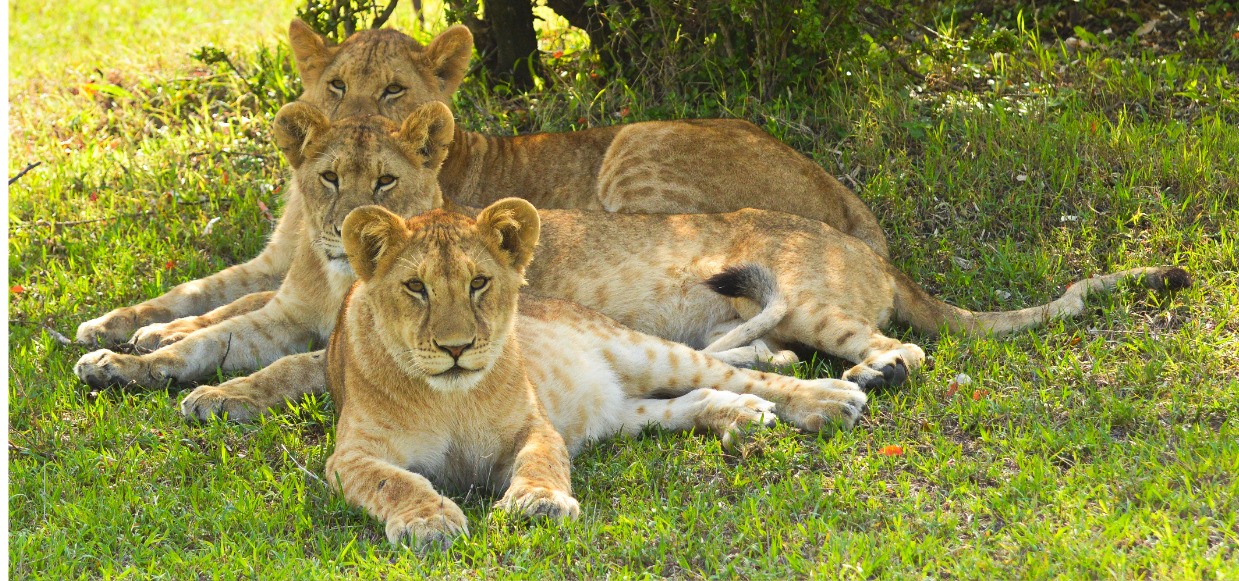
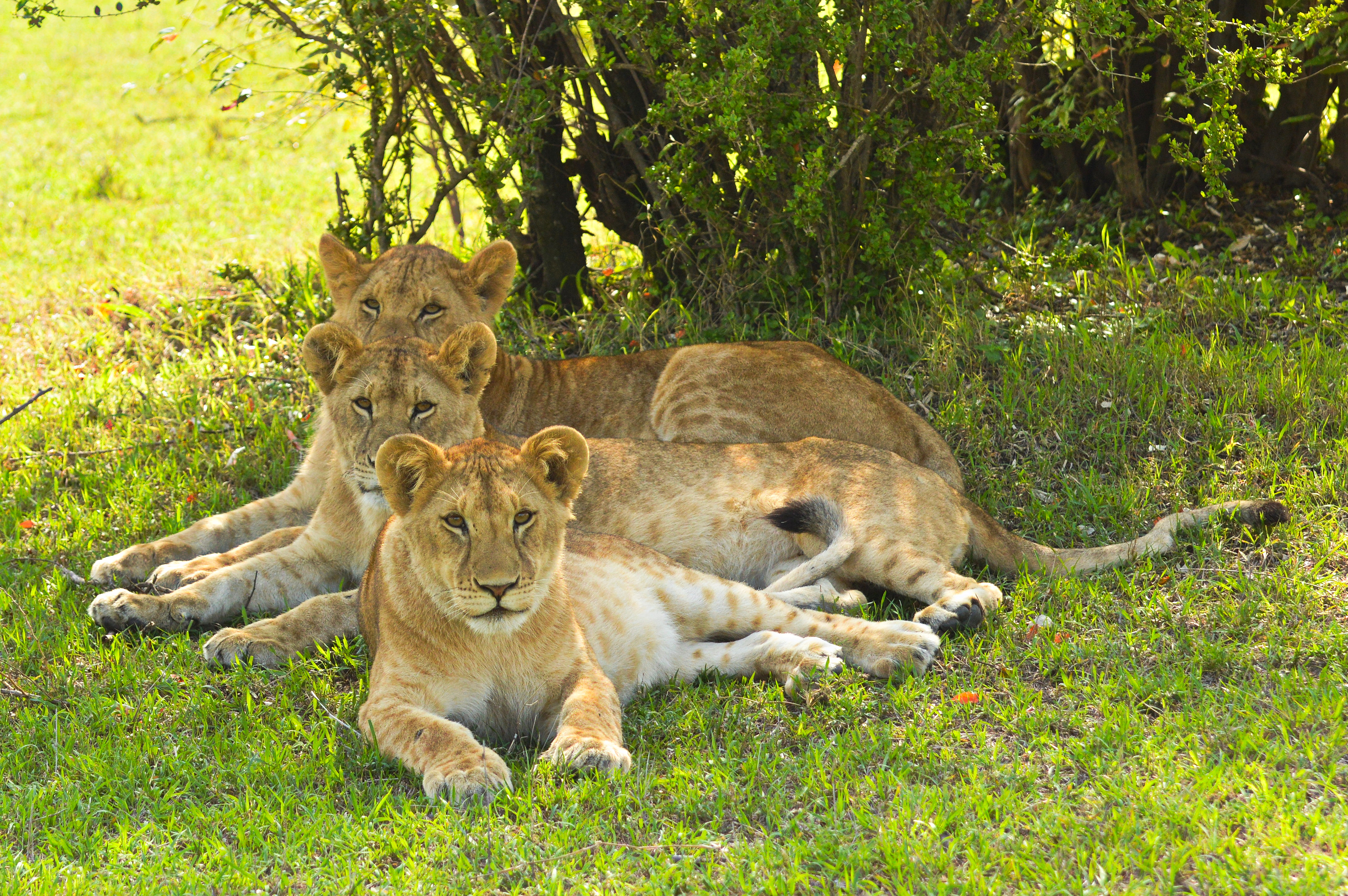
In 2020, four subadult females born in the Enesikiria core pride (2018 litter) dispersed to keep a low profile as the Rongai males began asserting control. The young females were too young to mate with the Rongai males at the time and therefore had to leave. They settled in the Oloolmorijo area, around the salt lick south of Encounter Mara, a patch of wilderness that was vacant and that they could call their own. By late 2021, they welcomed their first litter. A male and a female cub survived, raised with fierce love by three mothers, after one of the four founding females sadly disappeared in 2022.

An unforgettable chapter unfolded in August 2023 when the pride, with seven new cubs, peacefully fed on a dead elephant alongside their natal pride. For a moment, it felt as though unity might prevail —a merging of two struggling prides, a fortified future. But the reunion was brief. Fast forward to this week, and what we found was no longer a splinter group, but a thriving generational pride. The Enesikiria Breakaway pride currently has two adult females from the original four, their daughter from their late 2021 litter, four subadults (2 males and 2 females, mid-2023 litter), and six young cubs. It was exciting seeing this pride as one big pride now.

Nolari: The Ghost of the Eastern Valley
Nolari is one of the resident leopards in Naboisho Conservancy, also known as Spot because of her distinctive spots on her shoulders. She resides on the eastern side of Naboisho Conservancy, utilising the deep thickets around Kicheche Valley camp and Ol Seki Hemingway’s as her dens whenever she gives birth. True to leopard fashion, she is elusive, sightings are rare, and every glimpse of her feels like a privilege. Late last year, she surprised us by bringing out two tiny cubs from the lair, and for months they appeared occasionally as Nolari guided her young ones through the dense territories of her home.
However, as May and June rolled in, only the male cub was seen with her on several occasions, raising concern for the fate of the second cub. But nature has a way of writing its own stories, and this week it gave us one of the most joyful twists: Nolari reappeared with both her cubs, healthy, strong, and significantly grown. At roughly one year old now, their survival is a testament to their mother’s experience, having raised a good number of cubs to adulthood. This is exciting considering the positive leopard numbers in Naboisho Conservancy. Nolari has successfully raised cubs to adulthood before, and her continued success is essential for the stability of the leopard population in Naboisho Conservancy, highlighting the importance of this protected area.
Cheetah Count
Siligi Boys
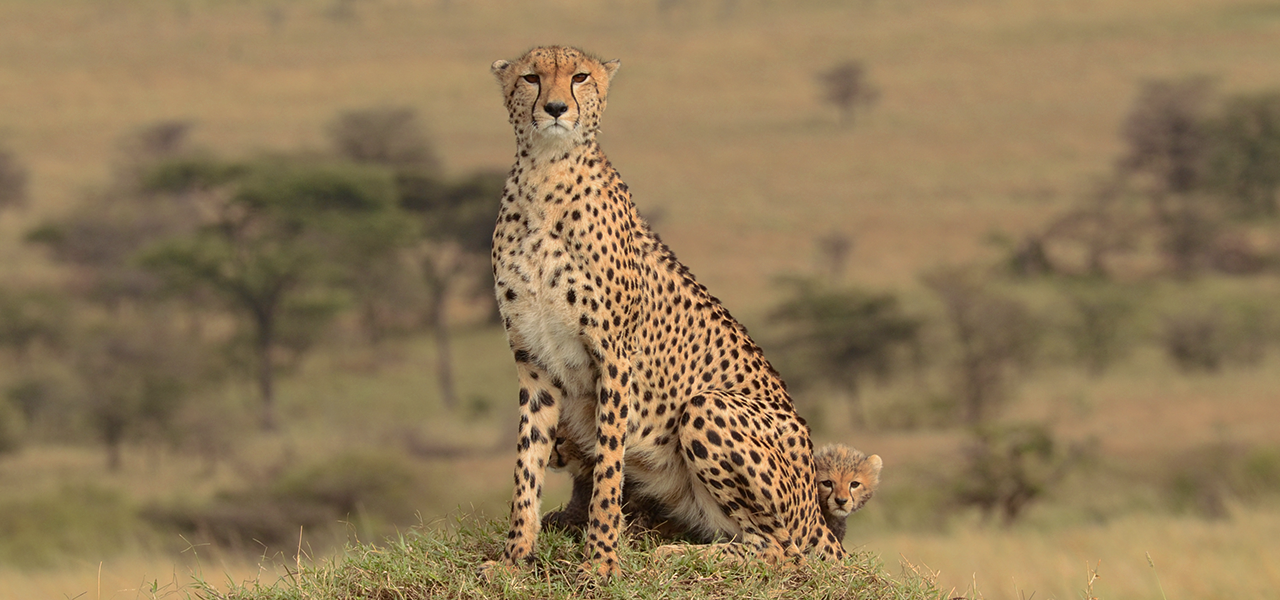
Siligi males were born in April 2021 in the Reserve by the famous Siligi. They were a litter of five when their mother brought them out of the lair; unfortunately, two of the cubs died shortly after they were first seen. Towards the end of 2021, she led her young trio across the border into the Serengeti. For two years, the young cheetahs grew up in the Northern Serengeti, learning, adapting, and surviving. Then, in July 2023, the brothers made a return to the Mara. Since then, they have been seen moving between the Northern Serengeti and the Mara Triangle, but for the past few months, they’ve mainly made the Mara Triangle their home.
On July 1st, 2025, Derrick Nabaala, a distinguished guide in the Mara, gave each brother a name, marking a special moment for the conservation community. The first was named Osiligi, meaning hope in Maa, honouring their mother Siligi and the hope these brothers bring to the Mara’s cheetah future. The second, Oldanyet, meaning breakthrough, represents the infusion of new genes and strength into the Mara’s cheetah population. The third, Olopono, meaning one with a notch, was named for the unique notch on his right ear. Together, the Siligi Boys symbolize survival, strength, and a future for the Mara’s Cheetahs that is currently declining. Every action towards cheetah conservation will be constructive, as their decline is alarming.
From the growing Enesikiria pride to Nolari’s thriving cubs and the celebrated return of the Siligi Boys, this week was filled with hope. Yet, hope is not a passive strategy. The cheetah population in the Mara is in an alarming decline, and every individual counts. The stories of Osiligi, Oldanyet, and Olopono are a reminder that our work is more critical than ever. Join us in this mission.
A Note on Our Field Reporting
As we share these stories from the field, we want to offer a brief insight into our research process. The Greater Mara Ecosystem is a vast landscape, home to numerous dedicated conservation organizations. Our team, like others, is in the field every day, and it’s quite common for different research groups to witness and report on the same events, such as a pride’s hunt or the dispersal of a species.
We want to assure you that all the updates and narratives shared in our posts are the product of our team’s direct observations and independent fieldwork, often supplemented by information shared with us by the knowledgeable guides who work across the region. We respect the work of all our fellow conservationists and believe that our shared passion and parallel efforts are a great strength for the Mara. Ultimately, we are all working towards the same goal: securing a future for these predators.