Predator Watch #1
A Weekly Update from the Mara (23rd-29th June 2025)
Every day in the wild, a new story is written.
The Mara never sleeps, and neither do its predators. From epic solo hunts to territorial fights and incredible moments, this past week gave us glimpses into the lives of lions and cheetahs. It was a reminder of the cycles of life in the Mara, a story of legendary males asserting their dominance, and of young females bravely forging their own paths.
This weekly blog will share the immediate, compelling stories from our field teams; the daily dramas, the individual triumphs, and the challenges our predators face. It is designed to complement Cheetah Chat and Lion Tails, giving you a continuous narrative of life in the Greater Mara, while our quarterly reports will continue to provide the in-depth scientific analysis you value.
Here’s what unfolded across the plains:
Orkirikoi’s solo hunt
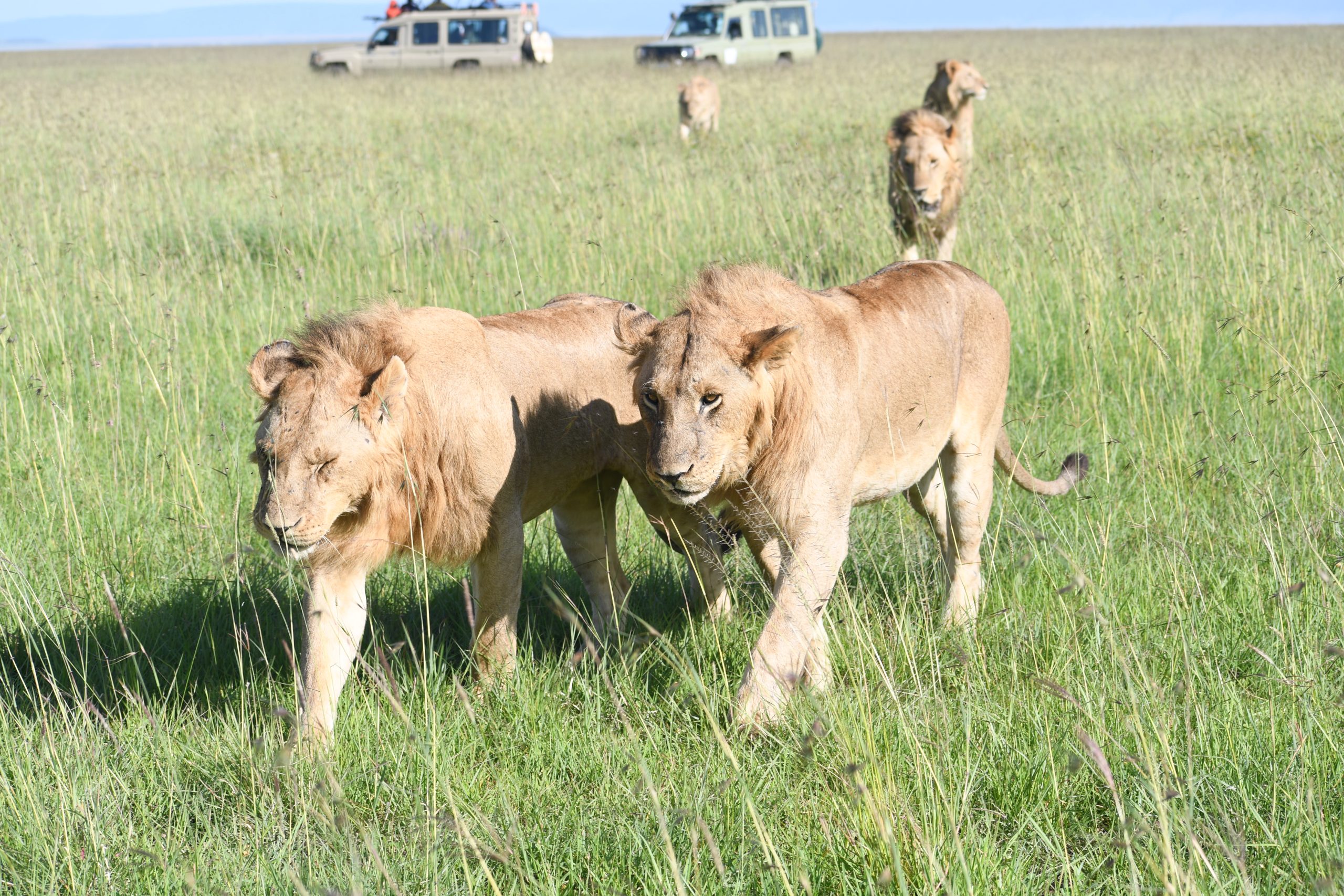
One of the week’s standout moments occurred on Thursday when Orkirikoi stunned us all with a solo takedown. At midday, Orkirikoi quietly stalked a massive buffalo bull rolling in mud against all odds and alone. With patience and strength, Orkirikoi strangled the buffalo, proving once again why he’s one of the few solo males in the Mara to hold and rule over a pride. His muddy coat and tired face told the story of a hard-fought battle.
Orkirikoi’s natal pride is the iconic Marsh Pride, and along with his sister, Kaleo, they are descendants of the legendary Bibi. He dispersed alone but teamed up with a Dirisha male from Mara Triangle to form a coalition; however, it did not last long as the Dirisha male disappeared months later. His success shows the resilience of the Marsh Pride lineage and the health of the ecosystem that supports these predators.
Photo © @ianadventuredad
Rongai Sub-adults vs the Old Guard
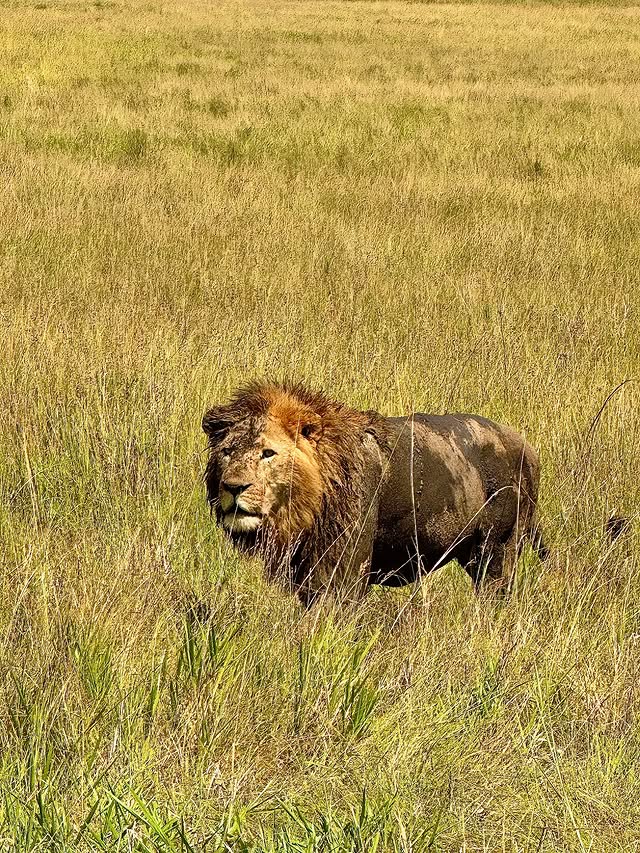
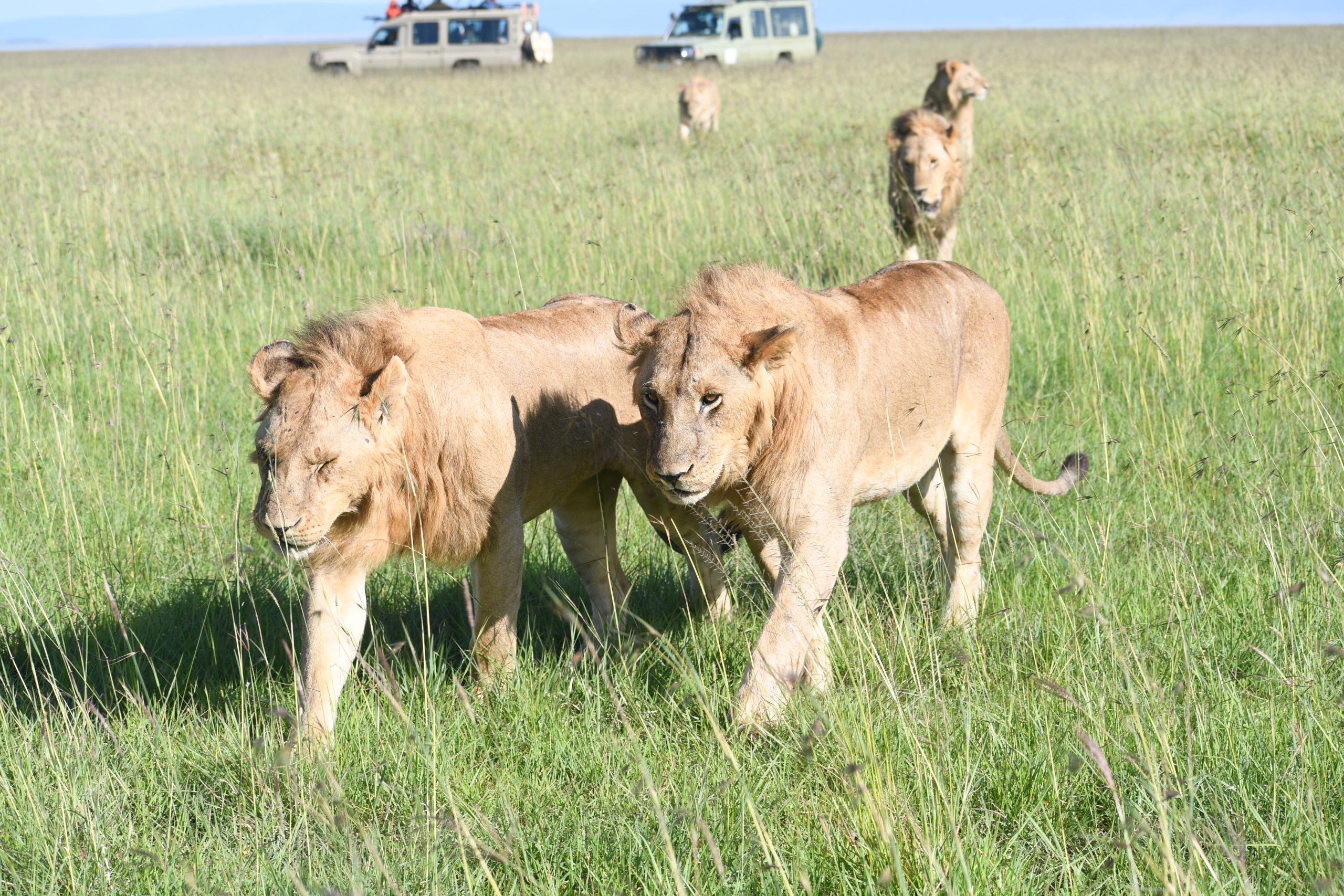
Monday brought lion drama in classic Mara style. Five Rongai sub-adults successfully hunted a buffalo near the Lookout area. After feasting and guarding their kill overnight, Tuesday morning took a wild turn when Chongo and Koshoke of the popular 6-Pack (a.k.a. Bila Shaka males) arrived. With a burst of power and roars, they stormed in to confront the intruders.
The sub-adults fled immediately, knowing well that the two veterans don’t play games when it comes to intruders or threats to their cubs. Chongo and Koshoke claimed the leftovers, while the younger males scattered to safety. The message was loud and clear: this land still belongs to the old guard. This interaction is more than just a fight; it’s a natural process that forces young males to disperse, ensuring genetic diversity across the landscape, a key focus of our monitoring.
Nashipae’s Daughters Begin a New Chapter
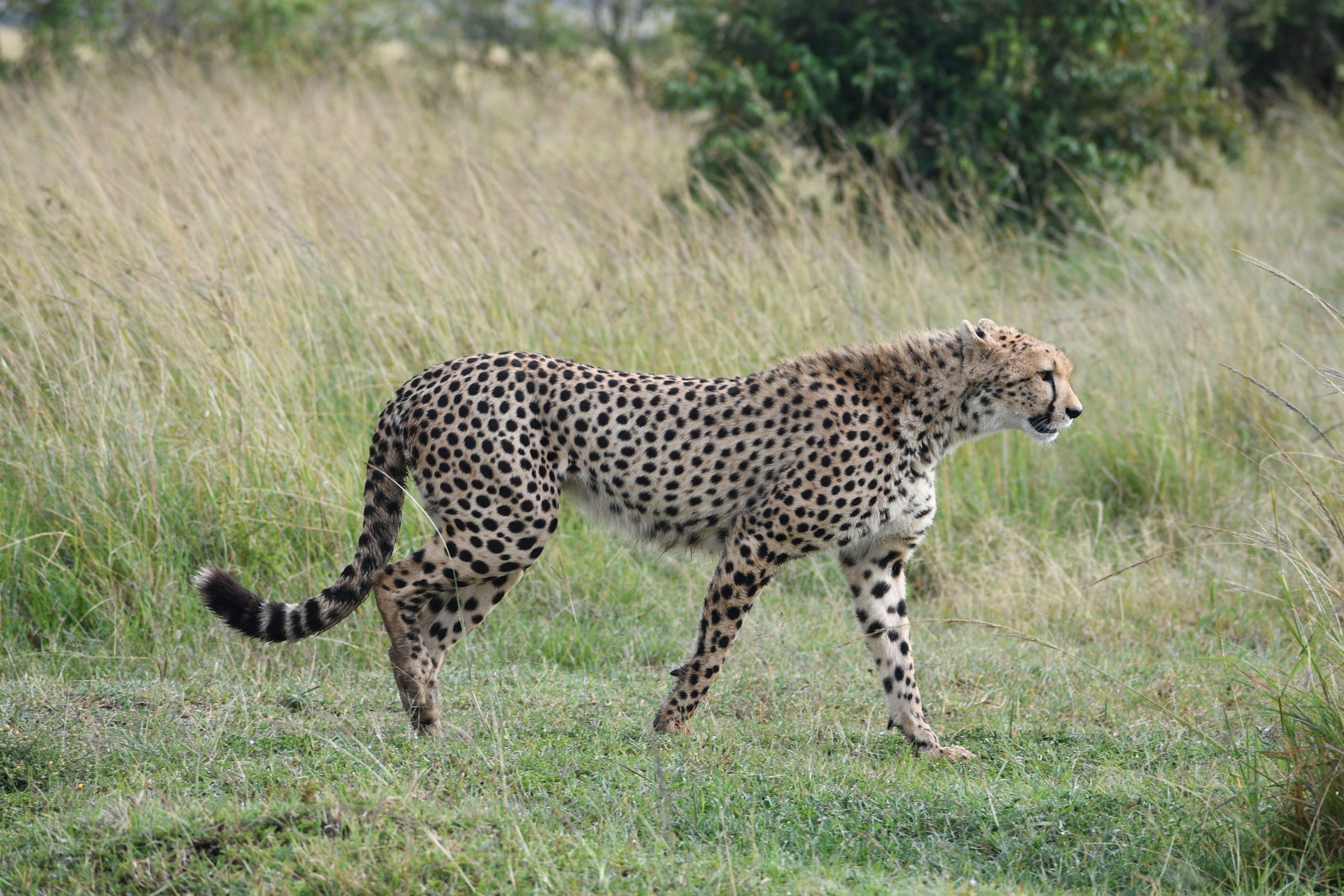
Nashipae’s four cubs left their mother a few months ago. While the young male, Tipayo, went his way in late March, the three sisters, Naimutie, Nempiris, and Nasieku, continued to stay together, giving safari guests the rare sight of three cheetahs side-by-side. This week, Naimutie has separated from her sisters to begin life as an independent adult. This kind of split is natural for female cheetahs, who are solitary by nature.
Nasieku and Nempiris are still together for now, but probably won’t stay that way for long. They both hunted separately this week, a sign of independence. Later that evening, Olonyok, the remaining male of the Tano Bora coalition, found that Nasieku and Nempiris had joined them. Later that evening, Olonyok, the remaining male of the Tano Bora coalition, found Nasieku when she was a bit far from her sister Nempiris and joined her. Nempiris joined both of them shortly after. All three are around 1 year 11 months old, ready to face the world on their own.
Olopi Seen again
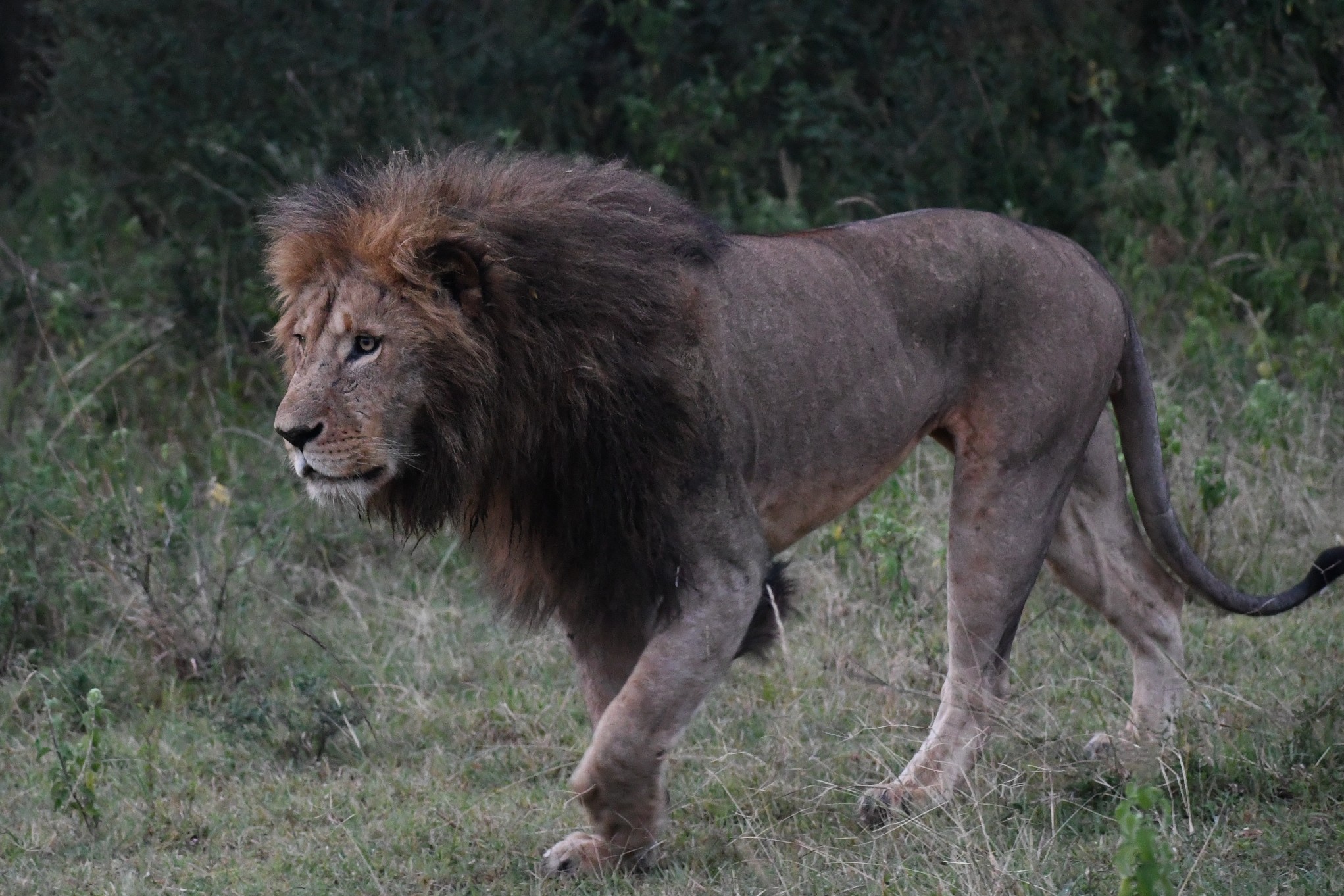
Olopi was born in 2017 to Sampu Enkare Pride female Lokoman. He was sired by the Rekero males, which means he is a grandson of the famous Notches. Like other sub-adult male lions, Olopi dispersed with his stepbrother Esiriwua’s son, who was a month younger than him, but that coalition did not last for long, as death met Esiriwua’s son earlier. While on his nomadic life alone, Olopi met a partner known to many as Dark Mane.
They teamed up for some time, roaming around the Mara without a specific Pride to rule. Territorial disputes caught up with them, and Dark Mane was killed, but Olopi survived. In our last intensive monitoring, we came across Olopi with a new partner who was much younger than him in the Nashulai Conservancy. This time they both had a pride with them, Isanchu Pride, a breakaway of the popular Maji ya Fisi Pride. They had cubs with them, and it was great to see Olopi with his cubs. This week again, we sighted Olopi together with his partner, but this time they were with two of the KWS pride females, in Siana Conservancy. It is always great to see Olopi doing well.
Each of these sightings, from Orkirikoi’s solo hunt to Olopi’s growing family, provides vital data for our team. Monitoring these individuals helps us understand their territories, social dynamics, and the challenges they face. This knowledge is essential for our work in mitigating human-wildlife conflict and ensuring a future for predators in the Mara. Your support makes this work possible.
Follow along next week for more updates from the field.