Predator Watch #18
New year, new rivals and nervous newcomers (19th – 25th January 2026)
Every day in the wild, a new story is written.
Happy New Year, and welcome back to our Predator Watch series.
As the sun rises on 2026, the Maasai Mara is as dynamic as ever. While we were away, the landscape has been shifting, not just with the changing seasons, but with the movements of the lions and cheetahs that call this ecosystem home. Change is the only constant here, and our first week back in the field has already delivered drama, tension, and lessons in coexistence.
From a clash of kings in Simba area to the arrival of two ‘shy’ wanderers from the west, here is your first field update of the year.
An encounter with Fig Tree boys
Change is always unsettling, especially in the world of male lions, where ruling a pride is never guaranteed. Across the Mara ecosystem, several young male coalitions are steadily making their move, particularly within the Reserve.
This week, we witnessed a dramatic and telling encounter. We sighted the three Fig tree dispersing males around the Simba area, locked in a fierce confrontation with the Kisinja male, Mzee. The clash was intense, but it ended with one of the young Fig Tree males sustaining only minor injuries. Mzee eventually retreated, moving toward the Hammerkop area, where two Maji Ya Fisi females currently have cubs.
The Fig Tree males first entered the Reserve late last year from Olerai Conservancy. Sadly, only three of the original coalition made it. They had dispersed from Olerai as a strong group of six, and with those numbers, many believed they would successfully storm Naboisho Conservancy and overthrow the old guards. They made several bold attempts, but dominance is never easily earned in lion society.
Some were lost during these takeover efforts, leaving just the three survivors we see today. Now, the remaining males with reduced numbers and powerful rivals all around, must tread carefully as they search for a territory to claim and a legacy to build.
Cheetah Count
Nabaya’s dispersing subadult
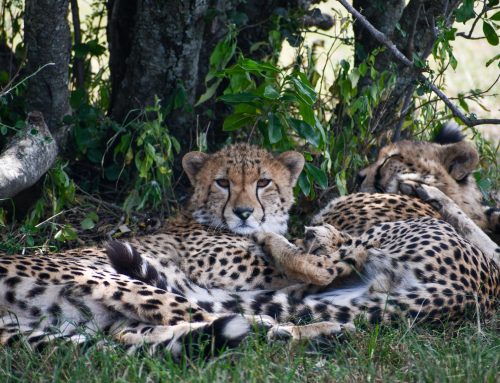
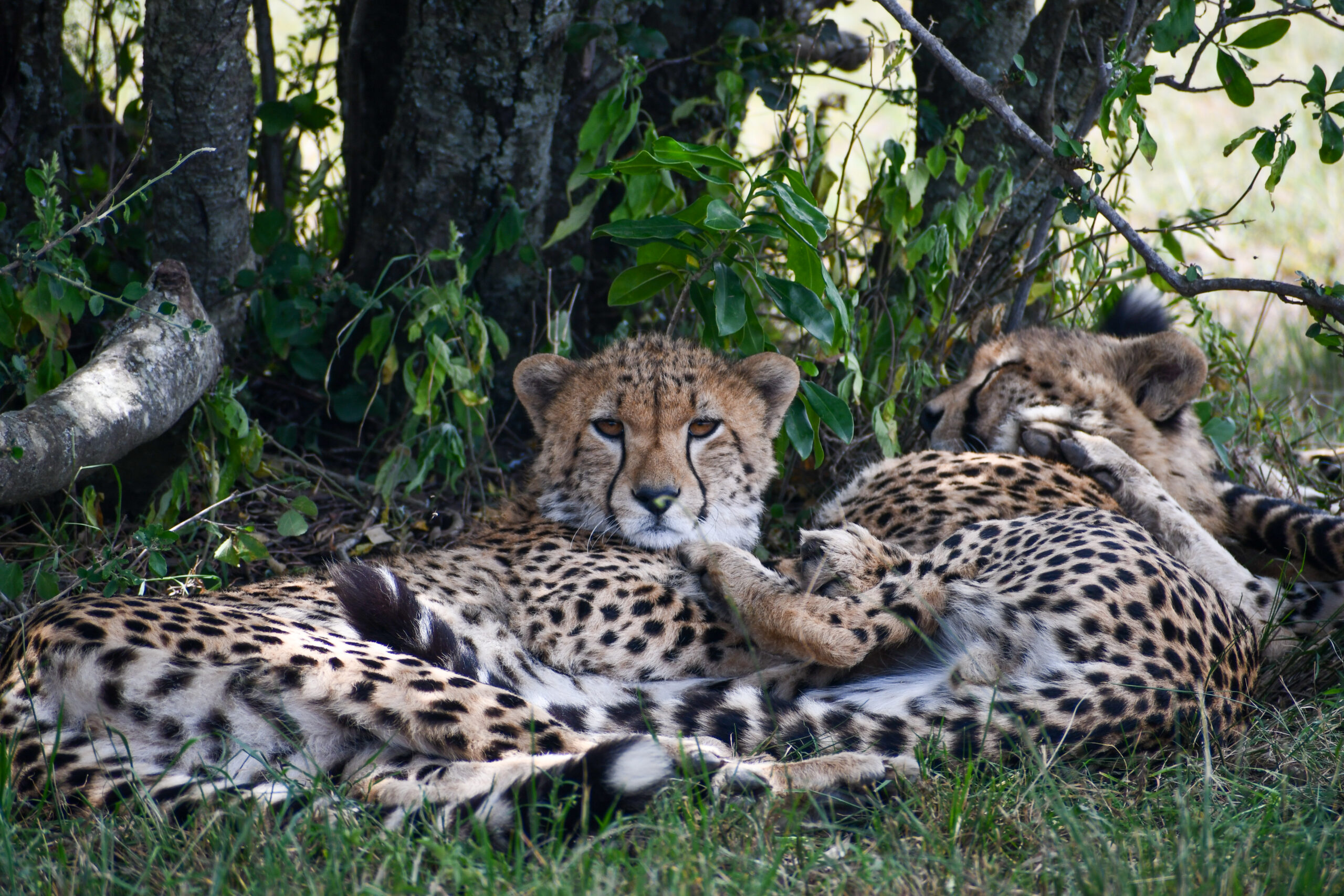
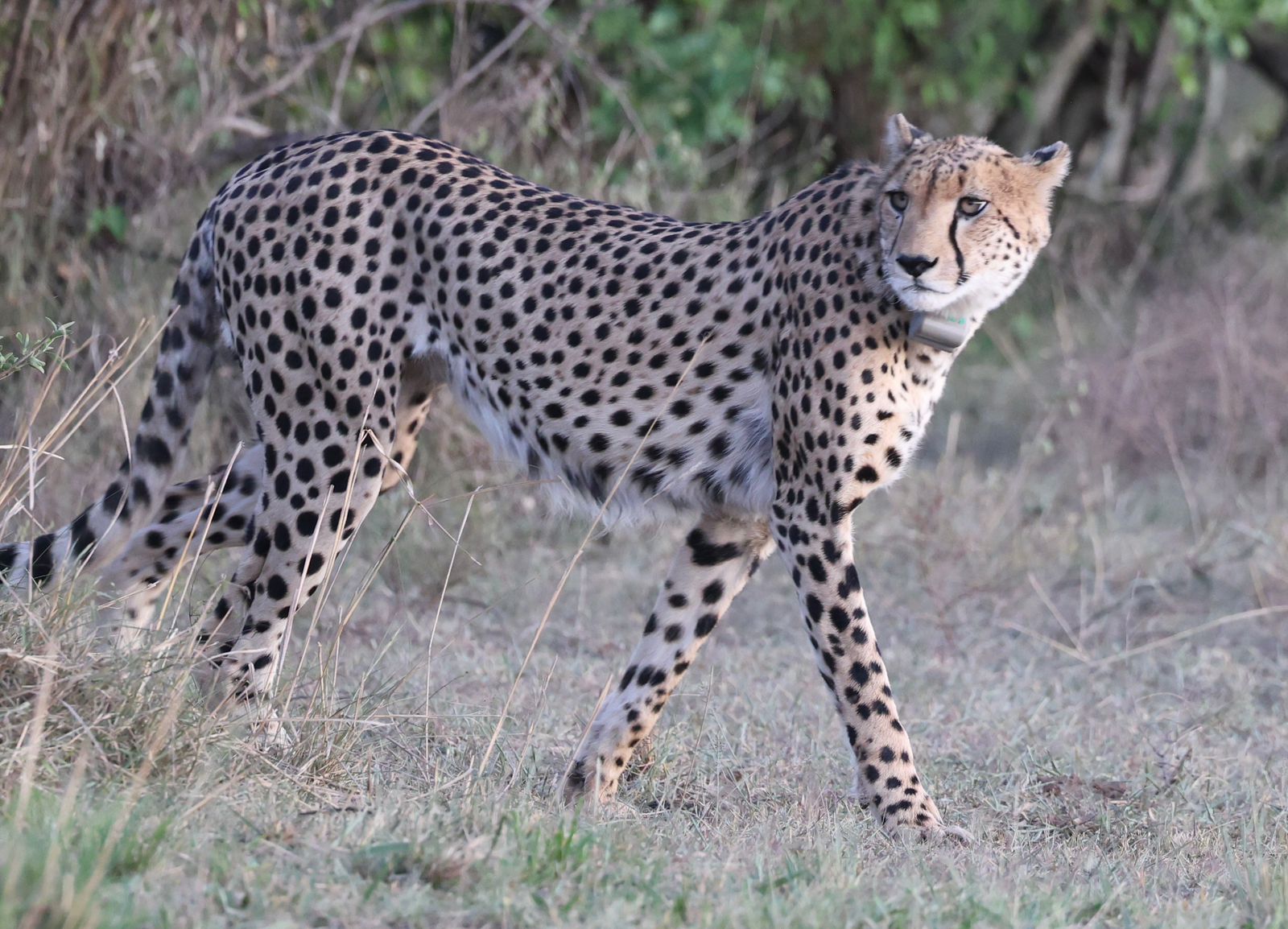
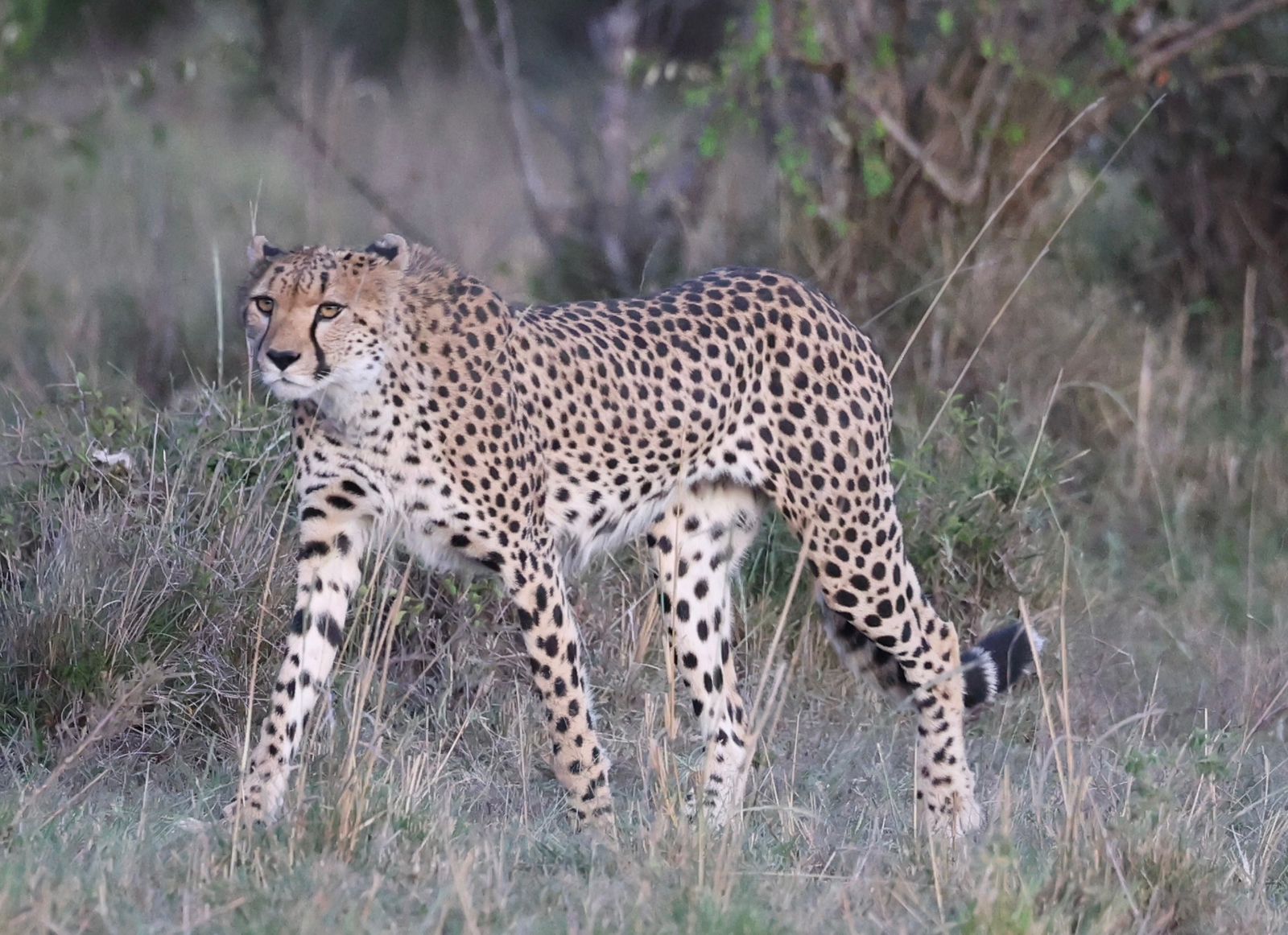
Nalala, a subadult male cheetah whom we collared on October last year, has recently dispersed together with his sister, Naanyu. The two headed west, passing through the community area before resurfacing in Isaaten Conservancy about a week ago.
This week, the subadults made their way into the Reserve, entering through the Sopa area corridor, an area that is dense and rarely used by tourist vehicles. They moved past the Research Hills through the Sarova area and were eventually sighted around the Simba area.
Guides described the pair as “shy” subadults, but this description does not fully capture their behaviour. Nalala and Naanyu are the cubs of Nabaya, a female cheetah resident in Olarro Conservancy and the adjacent community areas. They were born and raised within their mother’s home range, where it was common for them to go for months without encountering a single vehicle.
Now, having dispersed and begun navigating the wider ecosystem, frequent encounters with vehicles are new, strange, and understandably disturbing to them. Their cautious behaviour should not be mistaken for shyness, it is a natural response to an unfamiliar and high-pressure environment.
As these subadults adapt to their new ranges, it is crucial for guides and photographers to give them ample space. Limiting vehicle numbers, keeping respectful distances, and avoiding prolonged follow-ups will greatly reduce stress and allow Nalala and Naanyu the best chance to settle, hunt effectively, and thrive in this next critical phase of their lives.
The year is off to a great start with our research team monitoring it all. In between the shifting power dynamics of lion coalitions and the fragile dispersal of young cheetahs, your support keeps our vehicles running and our teams in the field.
Thank you for starting 2026 with us.
Be Part of the Story
Support Our Work
The stories you read in Predator Watch are made possible by our dedicated team on the ground and the essential tools they use every day. From monitoring lions and cheetahs across extensive territories to ensuring a Lion Ambassador can patrol safely, every aspect of our work requires resources. You can directly support these efforts and become a part of predator conservation in the Greater Mara.
Here’s how your contribution can make a direct impact:
- $50 buys a pair of sturdy boots to keep a Lion Ambassador on patrol.
- $100 purchases one GPS ear tag for a cow, helping us better understand and mitigate human-wildlife conflict.
- $500 provides fuel and maintenance for one of our 4×4 field vehicles for an entire month, keeping our research assistants on the move.
- $2,500 builds one predator-proof, recycled plastic boma (livestock enclosure), protecting livestock and preventing retaliatory killings.
- $5,000 allows us to purchase and deploy one GPS collar on a lion or cheetah, providing invaluable data on their movements.
Every donation makes a difference and allows us to continue this important work.