Predator Watch #16
Lions, cheetahs and new collars (17th – 23rd November 2025)
Every day in the wild, a new story is written.
As we wrap up our intensive monitoring session for 2025, the Mara continues to reveal its complex and ever-changing nature. This week’s stories showcase the resilience of predators and the shifting sands of territory and survival. From the historic return of a pride to its ancestral grounds to the precarious first steps of young cheetahs dispersing into the unknown, these updates highlight the importance of our long-term monitoring.
We are excited to share these final insights from the season before our team dives into the data analysis phase.
Maji ya Fisi Pride
History, Breakaways, and Current Status
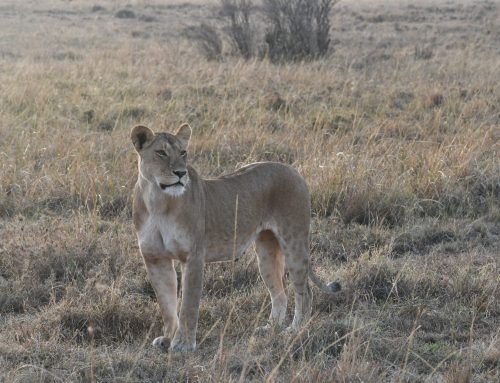
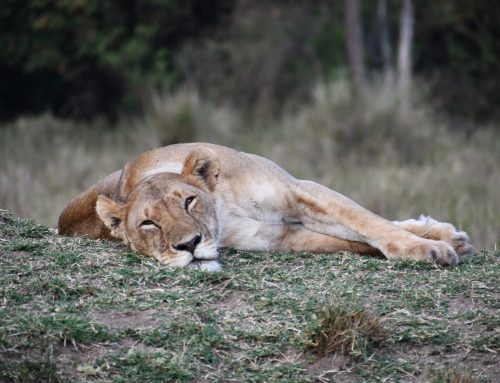
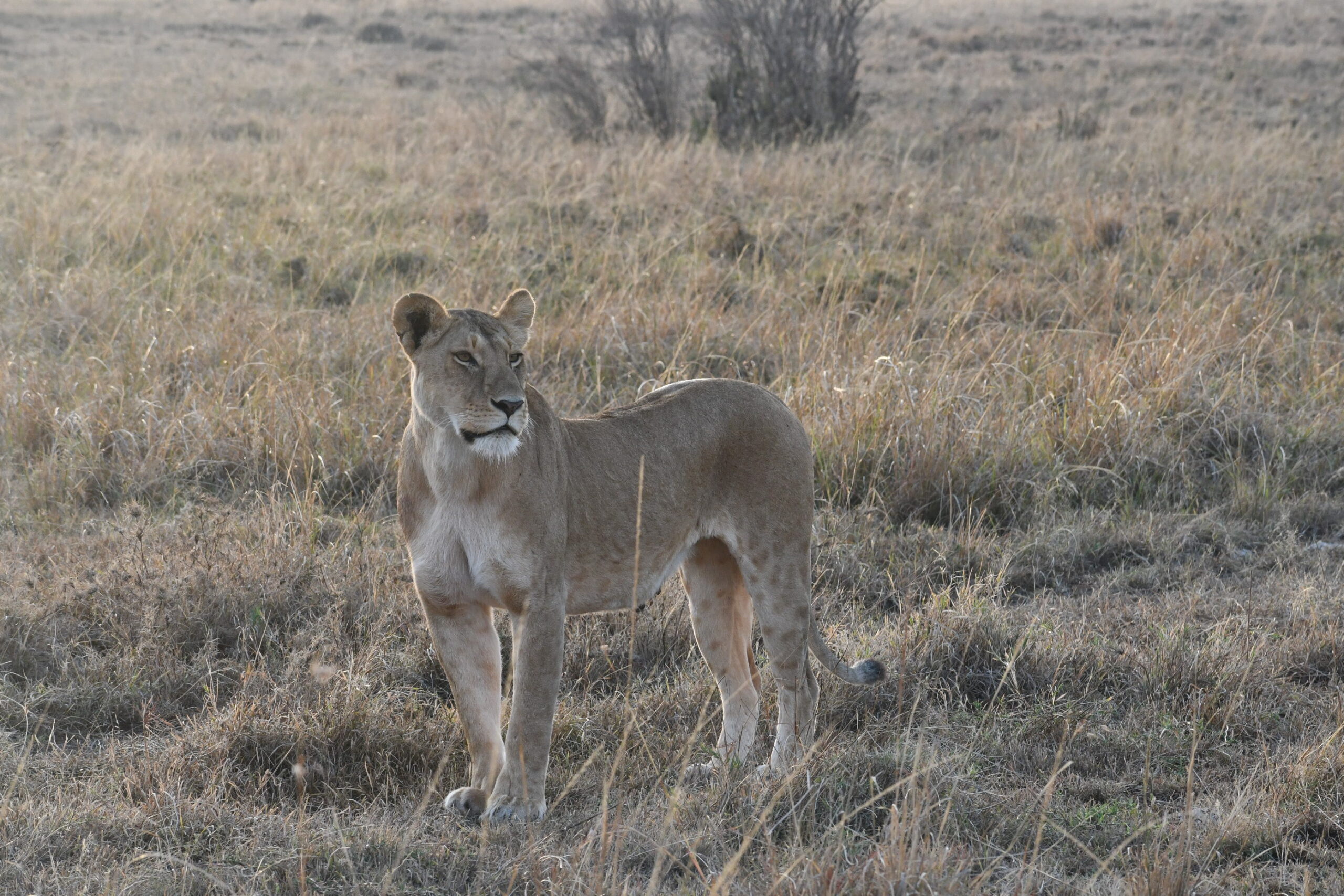
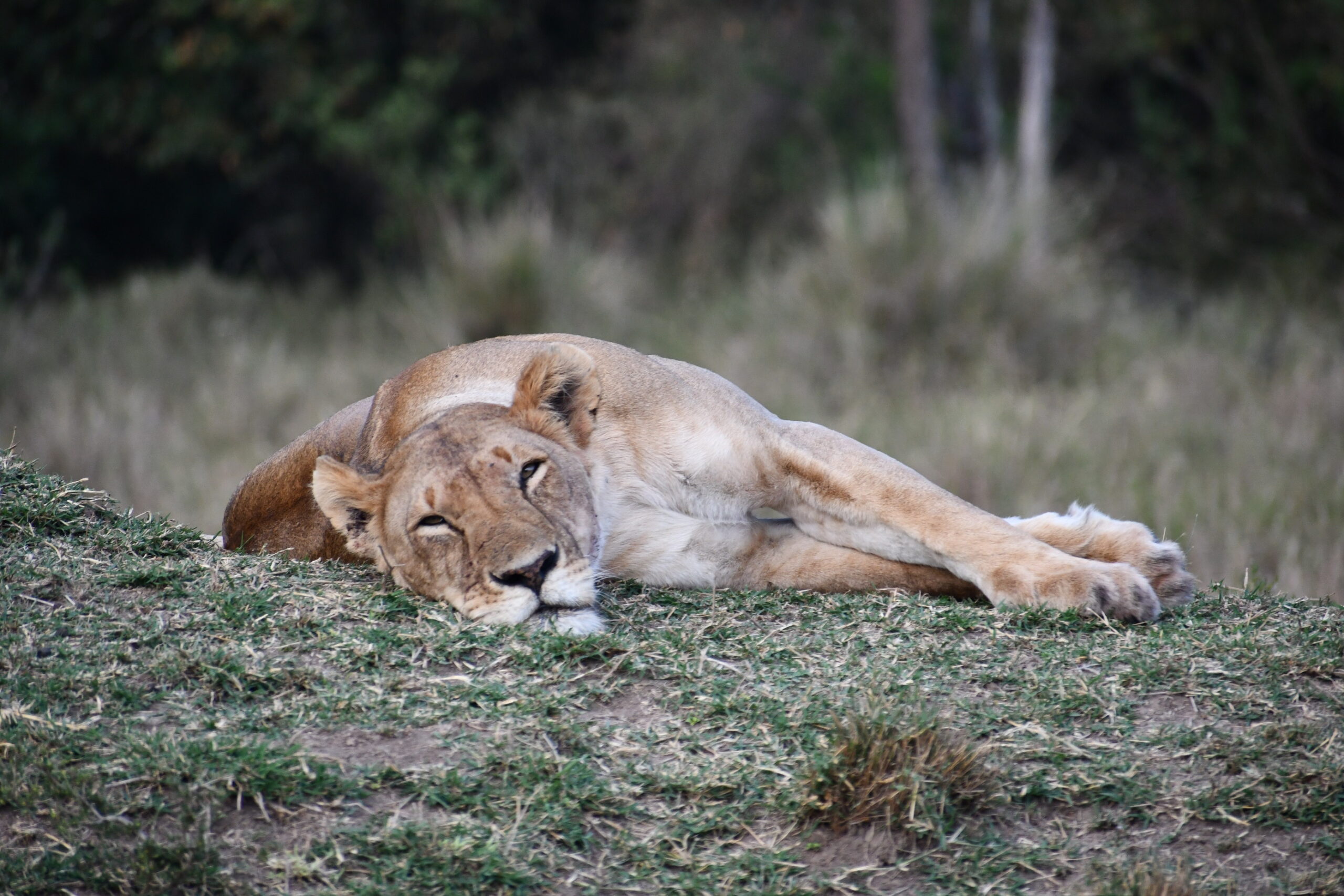
The Maji Ya Fisi Pride was once one of the largest prides in the Reserve, but because their territory was in a hotspot for human–wildlife conflict and unstable pride male dynamics, it pushed the pride and its breakaways toward extinction. Two females, Nairoshi (born in 2011) and Nailois (born in 2016 and a littermate to the well-known Maji Ya Fisi males Bully and Limpi of Naboisho Conservancy), dispersed into Nashulai conservancy, where they established a new pride that we named the Isanshu Pride, reflecting their range across both Isaaten and Nashulai conservancies. Their first successful litter in 2019 produced three females who survived to adulthood, followed by a second litter in 2021, three females and one male sired by Olopi and his partner, all of whom also reached adulthood.
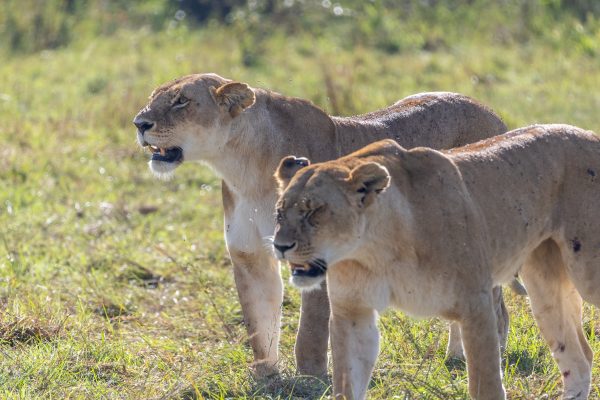
Interestingly, Nailois and three females from their 2019 litter returned to the original Maji Ya Fisi territory inside the Reserve last year. They have since formed a thriving group of fifteen individuals, consisting of four adult females and eleven subadults, all sired by the Kisinja males, Mzee and Lorkinyei. Meanwhile, Nairoshi has remained within Isaaten, Siana, and Nashulai Conservancies together with three females from the 2021 litter. These females have recently been observed mating with the Molibany males, who appear to have settled in that landscape.
The remaining members of the original Maji Ya Fisi Pride, who stayed behind in their natal range, consist of two females, both born in 2018. One of them is easily identifiable by her distinctive red right eye, and she is sighted more frequently. We recently sighted both females in the Hammerkop area with one cub, also sired by the Kisinja males. Their shift to Hammerkop is likely due to the Nailois group reclaiming and fully occupying the former Maji Ya Fisi Pride territory.
Cheetah Count
Nalala's update
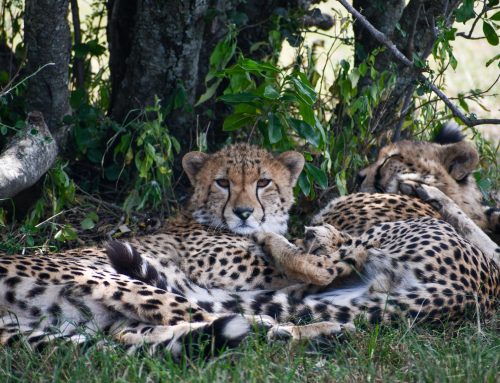
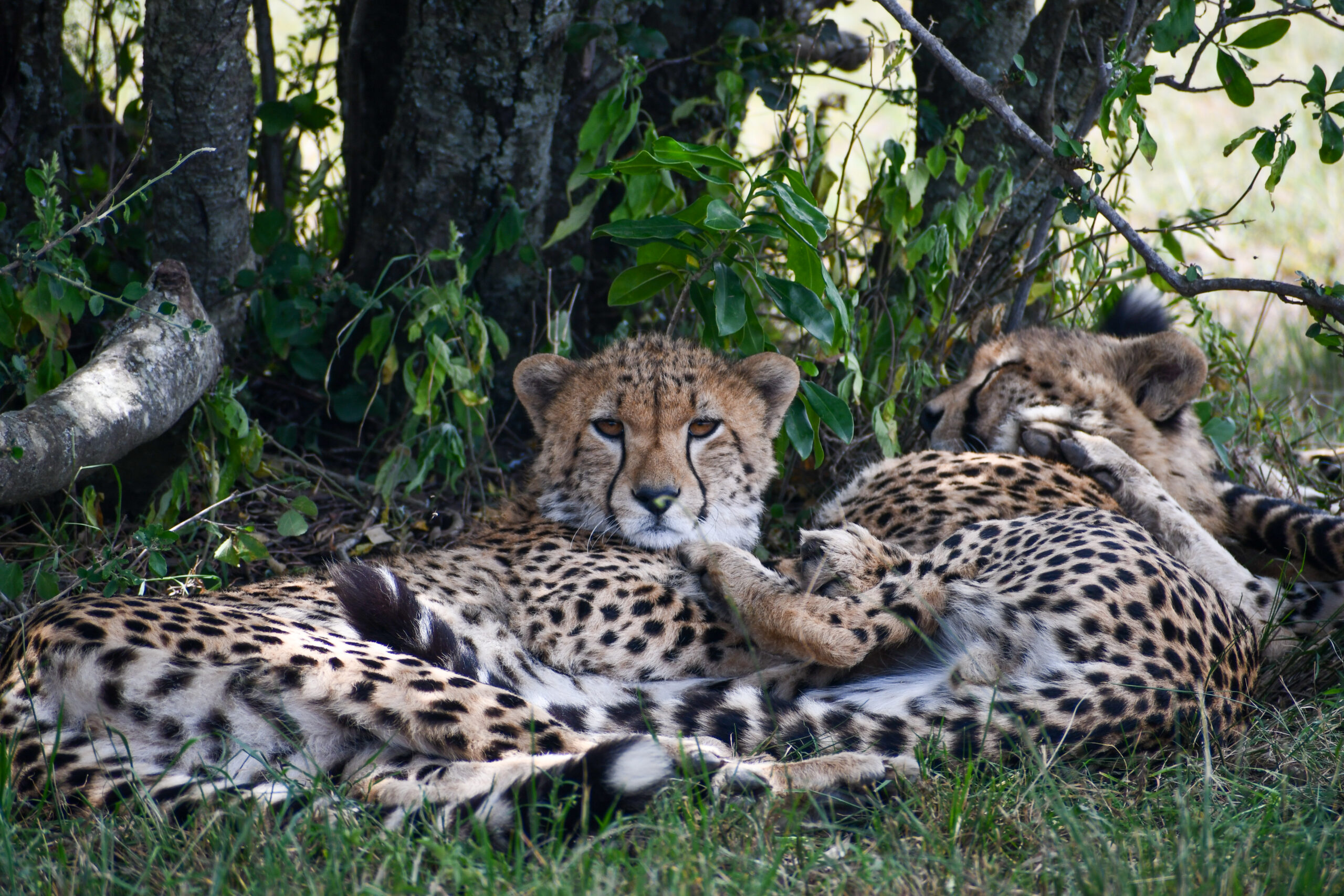
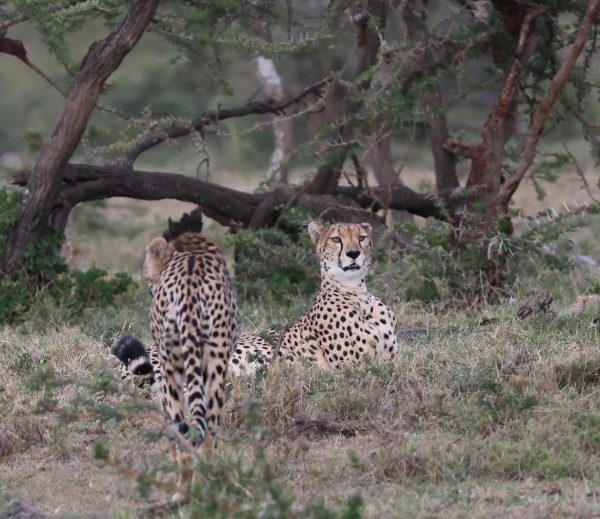
In October, we collared Nalala, a subadult male cheetah in Olarro Conservancy. At the time, together with his sister Naanyu, both at 18 months old, they were staying with their mother Nabaya. In the Mara, subadult cheetahs disperse from their mothers at around 16 months on average, yet, interestingly, at 19 months old, both Nalala and Naanyu are still with their mother, travelling across Olarro Conservancy and the surrounding community areas that have formed their core home range.
However, any day now, Nalala and Naanyu will disperse, staying together briefly before eventually going their separate ways. Female cheetahs lead solitary lives, and we hope Naanyu will settle within Olarro and neighbouring areas, where she can contribute to the declining cheetah population in the landscape.
Nalala, on the other hand, will begin a long and risky search for unoccupied territory as he navigates the wider ecosystem. His collar is crucial at this stage because dispersal can be one of the most dangerous periods in a cheetah’s life. For most young males, we rarely know where they move or whether they survive. By fitting collars, we can better understand dispersal routes, identify safe corridors, assess the impact of fences on movement, and mitigate conflict, ultimately enabling data-driven conservation that supports cheetahs across the Mara ecosystem.
Conservation News & Updates
New collar for conflict mitigation
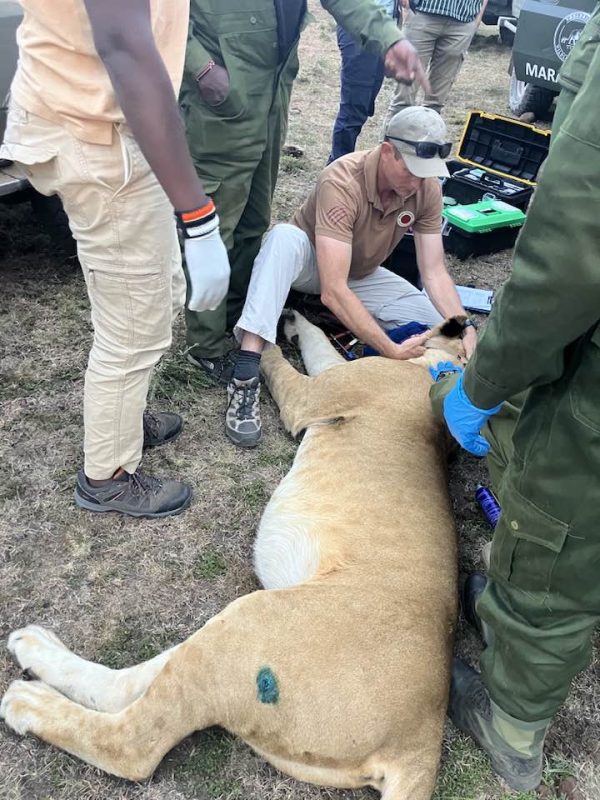
On November 19th, our team successfully fitted a GPS collar to a lion from the Moniko – Sankei Breakaway pride. This group is currently ranging in the western area of Naboisho Conservancy, an area where they have unfortunately been involved in livestock conflicts.
This collar is a critical tool for real-time management. It will allow conservancy rangers and our team to monitor the pride’s movements closely, enabling proactive responses to prevent livestock depredation. We aim to protect livelihoods while ensuring the safety of this pride by providing an early warning system.
In case you missed it, our latest Quarterly Predator Post is now live. It features detailed updates on the Oloisukut poisoning recovery, the Topi Pride split, and the journeys of dispersing cheetahs. This entry marks the end of our intensive monitoring session for 2025. Our research and monitoring teams have spent countless hours in the field, documenting these species. We now shift our focus to analyzing the data we’ve collected, which will provide insights into predator population trends and behavior.
We look forward to sharing these findings with you soon. Until then, our work in the landscape continues, ensuring that science remains at the heart of conservation in the Mara.
Be Part of the Story
Support Our Work
The stories you read in Predator Watch are made possible by our dedicated team on the ground and the essential tools they use every day. From monitoring lions and cheetahs across extensive territories to ensuring a Lion Ambassador can patrol safely, every aspect of our work requires resources. You can directly support these efforts and become a part of predator conservation in the Greater Mara.
Here’s how your contribution can make a direct impact:
- $50 buys a pair of sturdy boots to keep a Lion Ambassador on patrol.
- $100 purchases one GPS ear tag for a cow, helping us better understand and mitigate human-wildlife conflict.
- $500 provides fuel and maintenance for one of our 4×4 field vehicles for an entire month, keeping our research assistants on the move.
- $2,500 builds one predator-proof, recycled plastic boma (livestock enclosure), protecting livestock and preventing retaliatory killings.
- $5,000 allows us to purchase and deploy one GPS collar on a lion or cheetah, providing invaluable data on their movements.
Every donation makes a difference and allows us to continue this important work.