Predator Watch #13
Kings, Coalitions and Crossings (15th – 21st September 2025)
Every day in the wild, a new story is written.
What does it take to build a legacy in the Mara? Is it brute force, strategic alliance, or simply being in the right place at the right time? This week, we witnessed two examples of lion dynasties at different stages of their reign.
One, a formidable coalition of two, has defied the odds to build one of the largest prides in the ecosystem. The other, a pair of seasoned veterans, is riding the wave of the Great Migration, reminding everyone that even elder statesmen can still command respect. It’s a look at power, strategy, and the enduring pull of an ancient rhythm.
The Maji ya Fisi Coalition
In the dynamic world of lion prides, where power shifts with every roar, few coalitions have left a mark as deep as the Maji ya Fisi males, Bully and Limpy. Arriving in the Naboisho Conservancy in 2020, the duo took over Sampu Enkare Breakaway, which was then located between Olkinyei and Naboisho conservancies. By early 2021, they had sired their first offspring with the pride, sparking a true baby boom. During their reign, the pride grew to an impressive 33 lions, a testament to the coalition’s strength and dominance.
For nearly three years, the Maji boys ruled over the Sampu Enkare Breakaway, successfully raising cubs to independence and shaping one of the most vibrant prides in Naboisho/Olkinyei’s history. However, as is often the case in the Mara, change was inevitable. In early 2023, the two males were displaced by the Ilkisiusiu Males, Olecook, and Lembalang. They moved on and took over an Ilkisiusiu sub-group, which was already a powerhouse in Naboisho Conservancy.
By June 2023, the coalition had their first offspring with the Ilkisiusiu females, solidifying their control over what has since become one of the largest pride in the Greater Mara ecosystem. Today, the Ilkisiusiu Pride has nearly 40 members, including 24 cubs of various ages, from playful 10-month-olds to newborns barely a month old.
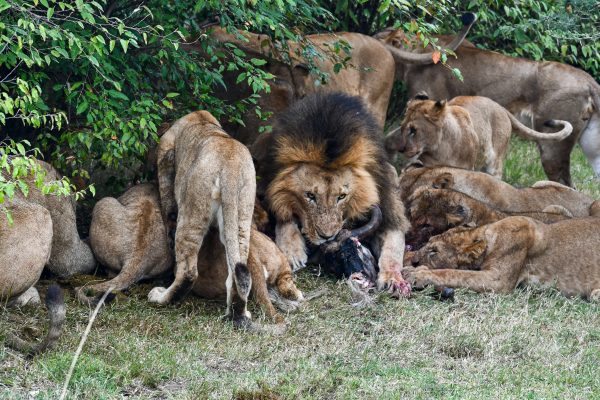
This week, we encountered the Ilkisiusiu pride, an awe-inspiring sight of strength and legacy. The two males, still in their prime, watched over their vast family. Bully and Limpy are among the most successful male coalitions in the Mara ecosystem, showing how coalition size does not always determine success (more on Mara male coalition dynamics in future reports).
Migration effect still on
Since the start of the migration, Nusu and Ruka have been frequently seen along the Sand River at a key crossing point near the ODM area. When the herds moved into the Mara Triangle, the males followed. Along with their brothers, Manywele and Ololpolosie, they are among the oldest lions in the Mara today, now around 13 years old.
This week, Nusu and Ruka put on a spectacular display at the Sand River. In a dramatic moment, Nusu brought down a wildebeest right in the middle of the crossing, and the two males fed on their kill in the river.
Adding to the drama of the migration, the Maji Machafu females appeared at the same crossing point, bringing out three small cubs, almost certainly sired by the Ngiro Are males. While the Maji Machafu Pride mainly stays in the Mara Triangle, this was not their first time venturing into the Reserve. Still, it was unusual to see them so far along the Sand River, and even more surprising to find them denning there.
Moments like this highlight how the migration influences predator behaviour in the Mara ecosystem, pushing prides and coalitions into new areas and creating remarkable interactions around the great herds.
From the calculated empire-building of the Maji ya Fisi males to the opportunistic dominance of the elders at the river crossing, this week showcases the different paths to power in the Mara.
It proves that a successful legacy isn’t just about the strength of one lion, but about the power of a coalition and the opportunities presented by the timeless rhythms of the ecosystem.
Conservation News & Updates
From storybooks to action
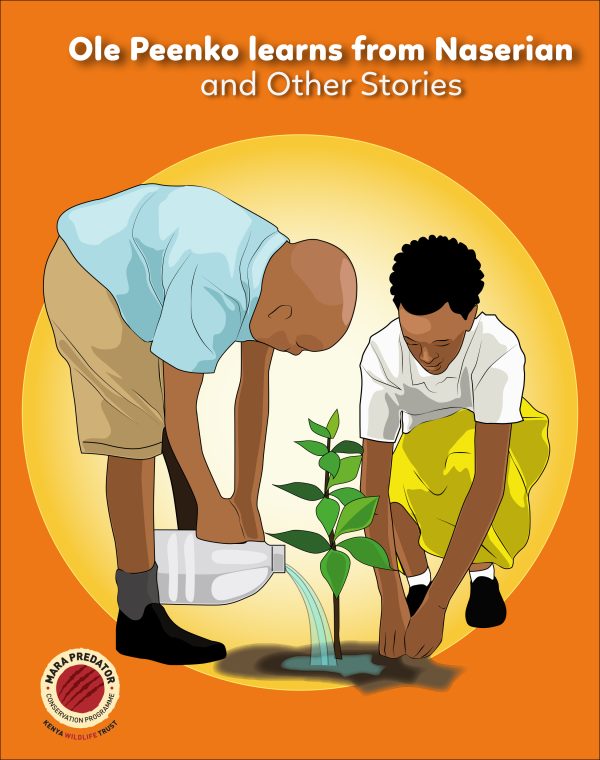
Can a children's book change the future of conservation? The KWT "Ole Peenko" book series is doing just that, inspiring students to become real-world conservation heroes. These young readers are turning stories into action by reporting wildlife sightings and organizing community clean-ups.
Read our latest impact story to see how a book is helping to write a new chapter for the Mara here: How a Book Series is Inspiring Real-World Conservation
Be Part of the Story
Support Our Work
The stories you read in Predator Watch are made possible by our dedicated team on the ground and the essential tools they use every day. From monitoring lions and cheetahs across extensive territories to ensuring a Lion Ambassador can patrol safely, every aspect of our work requires resources. You can directly support these efforts and become a part of predator conservation in the Greater Mara.
Here’s how your contribution can make a direct impact:
- $50 buys a pair of sturdy boots to keep a Lion Ambassador on patrol.
- $100 purchases one GPS ear tag for a cow, helping us better understand and mitigate human-wildlife conflict.
- $500 provides fuel and maintenance for one of our 4×4 field vehicles for an entire month, keeping our research assistants on the move.
- $2,500 builds one predator-proof, recycled plastic boma (livestock enclosure), protecting livestock and preventing retaliatory killings.
- $5,000 allows us to purchase and deploy one GPS collar on a lion or cheetah, providing invaluable data on their movements.
Every donation makes a difference and allows us to continue this important work.