Predator Watch #7
World Lion Day Special (10th August 2025)
Every day in the wild, a new story is written.
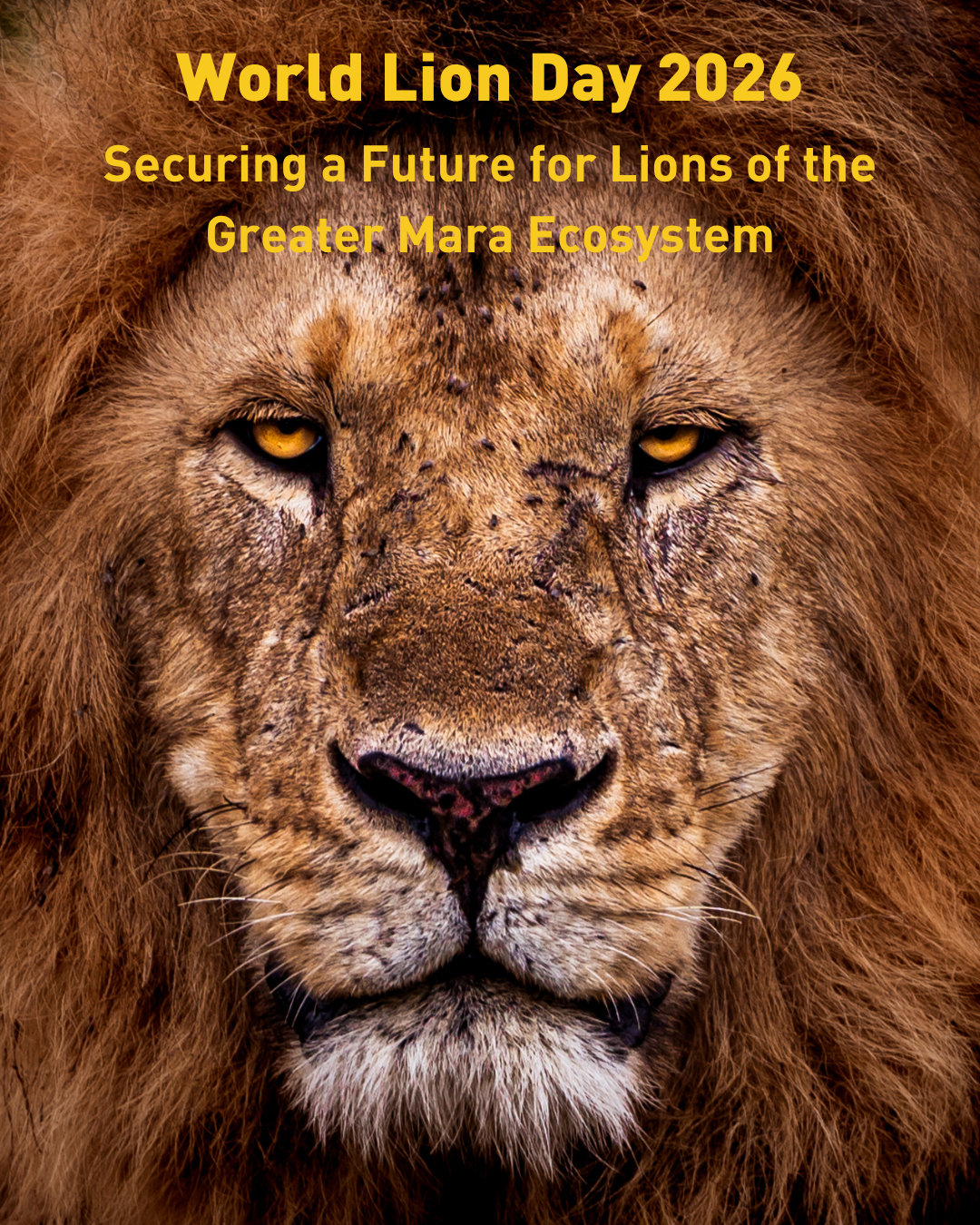
On World Lion Day, we celebrate the resilience of the Mara’s apex predators against a backdrop of global decline. While lion populations have plummeted across Africa, the Greater Mara Ecosystem remains a critical stronghold, thanks to intensive, science-driven conservation.
Today, we tell the story of this success through the history of one renowned dynasty: the Topi Pride. This is a tale of a royal bloodline; a story of survival in a high-conflict zone that has claimed members of the pride, including the founding matriarch, Summer, and her daughter Longneck. Their descendants’ survival is a direct result of the conservation efforts that prove coexistence is possible.
Celebrating the Legacy of the Topi Pride ‘Four Seasons’ Females
The Topi Pride is one of the most renowned prides in the Mara. Its story began with four females born into the Marsh Pride who dispersed around the age of three. They settled at Rhino Ridge, Topi Plains, Paradise Plains, and later expanded to the Double Cross area. They came to be known as Summer, Autumn, Mdomo, and Winter. Over the years, all four raised multiple generations that continue to brighten the Mara ecosystem.
Mdomo, a fierce lioness with a fluffy coat and a notched right ear, raised Chungwa and Droopy, born in 2015 and sired by the Four-Kilometre males, as well as Mwezi and Nyota, born in 2018 and sired by the Six Pack. She was a dedicated mother, always staying close to the pride. The last confirmed sighting of Mdomo was in late 2020.
The Fierce Hunter
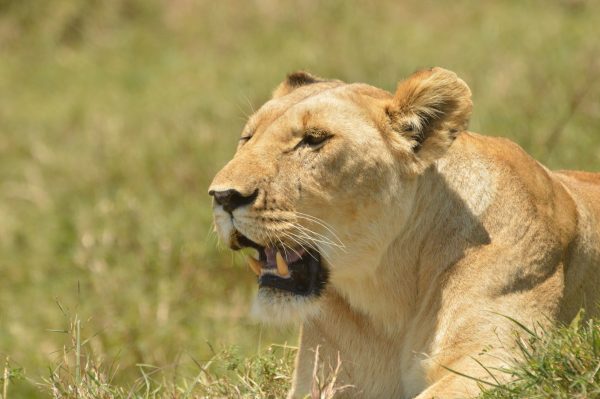
Winter was a skilled hunter whose life came to a tragic end during a prolonged buffalo hunt. After hours of struggle, the pride succeeded in bringing the buffalo down, but Winter sustained severe injuries and ultimately paid the ultimate price with her life. During her lifetime, she raised two cubs, Mandevu, who was a coalition partner to Chungwa, and Droopy, and a female littermate.
The Survivor
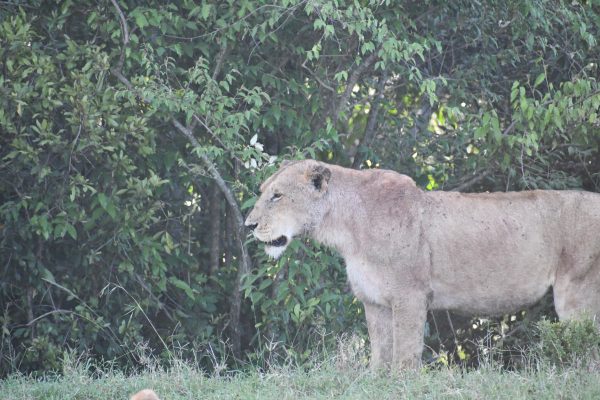
Autumn, another fierce lioness, reached an extraordinary age for a wild lioness—17 years. She was last seen in March this year and was often spotted with the six Topi Pride subadults (now reduced to four after Tisha died and Vuli joined his brothers). She raised Princess, Tisha, and Vuli. Vuli and Tisha, littermates born in September 2021, with Vuli being one of the Topi Boys coalition.
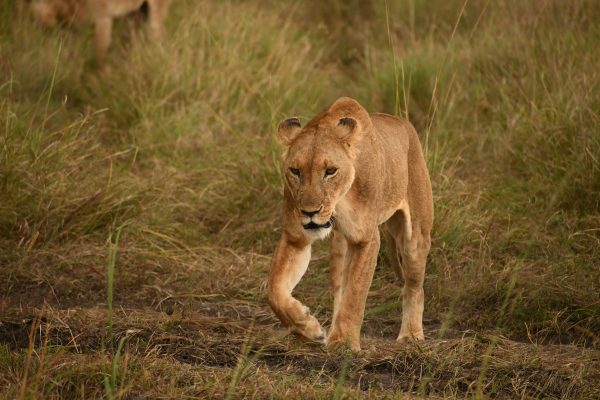
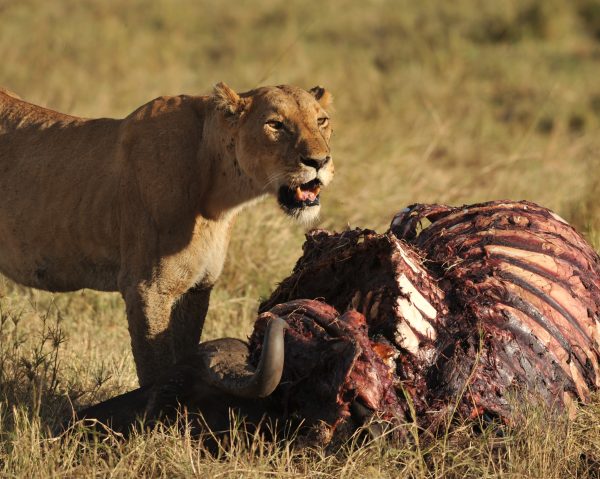
The Ultimate Mother
Summer was a remarkable lioness and a true epitome of motherhood. Her first litter in 2012 included Longneck and Nusu, sired by the Musketeers. In 2016, she raised Jua, Dunia, and two males sired by the Four-Kilometre males. Her third litter produced Maisha, sired by the Six Pack, and in 2022, she gave birth to Kiongozi, a son of the Salas males. Summer’s life ended tragically at 15 years old when she was killed during a human-wildlife conflict incident in Olare Orok village on the night of 7th March 2024. She was found dead inside a boma the following morning.
Topi Boys
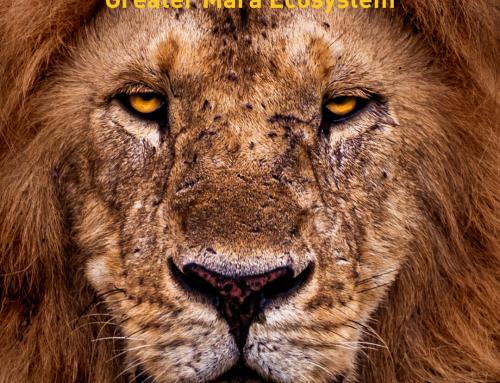
The coalition of Mdomo and Winter’s sons, Mandevu, Chungwa, and Droopy, dispersed like all other male lions. During their reign on the southern side of the Reserve, ruling over the Oloolaimutia Pride, they sired and raised numerous cubs. Their daughters, born in 2020, later dispersed and formed the Border Pride further south-west of their natal territory in an area called Osero Sopia. Their sons, born in 2019 and 2020, formed a coalition of four and currently rule over the Sand River and Salas Breakaway Prides.
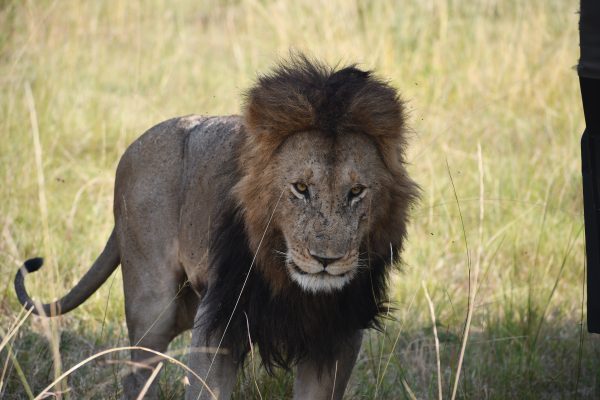
The Legacy Lives On
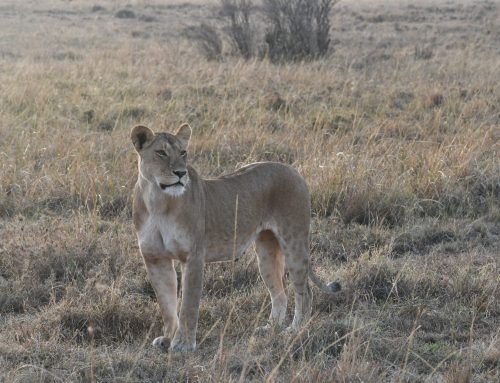
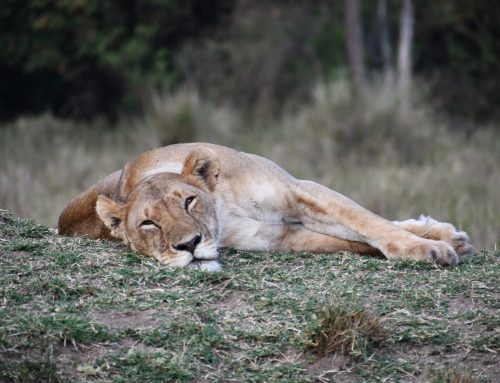
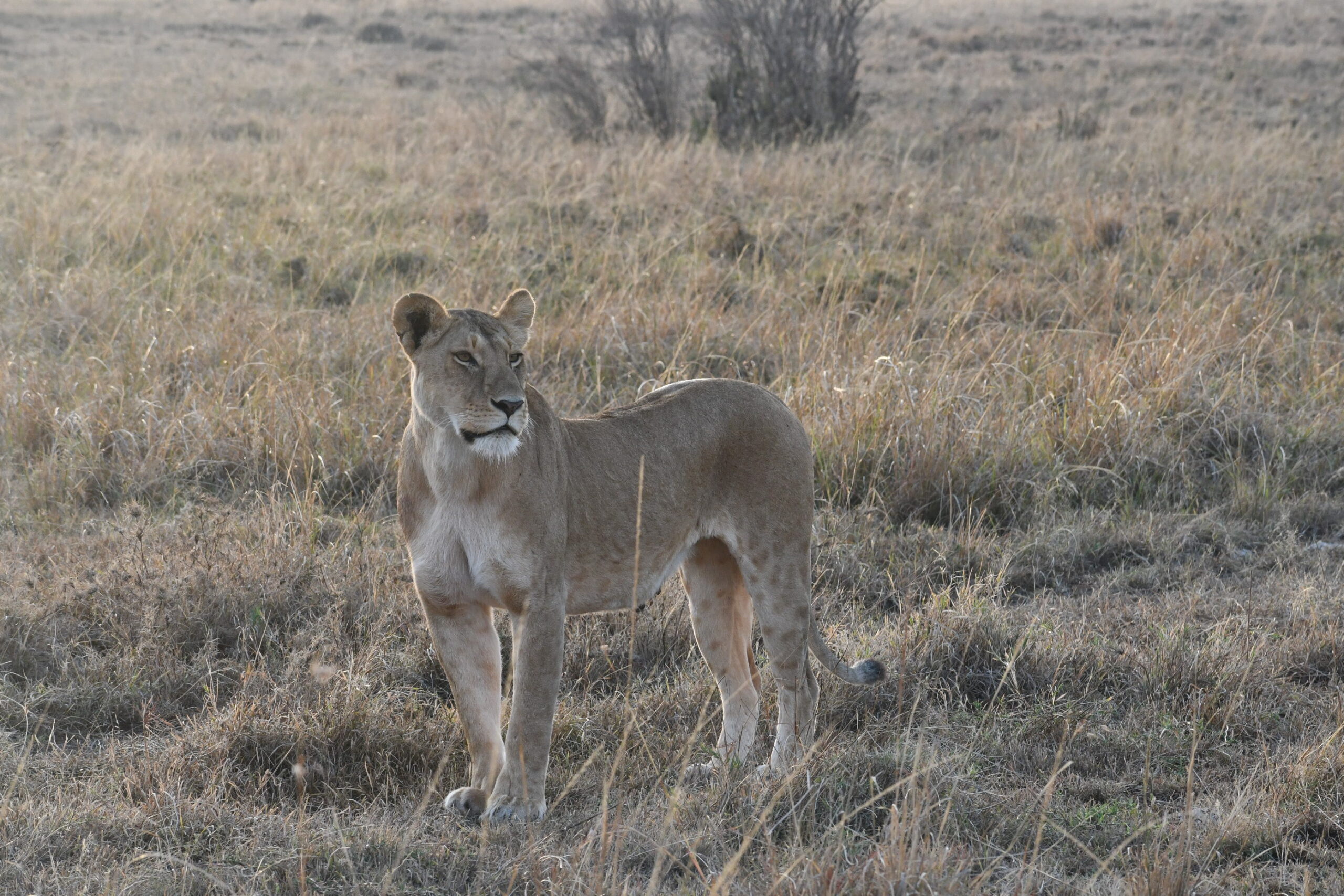
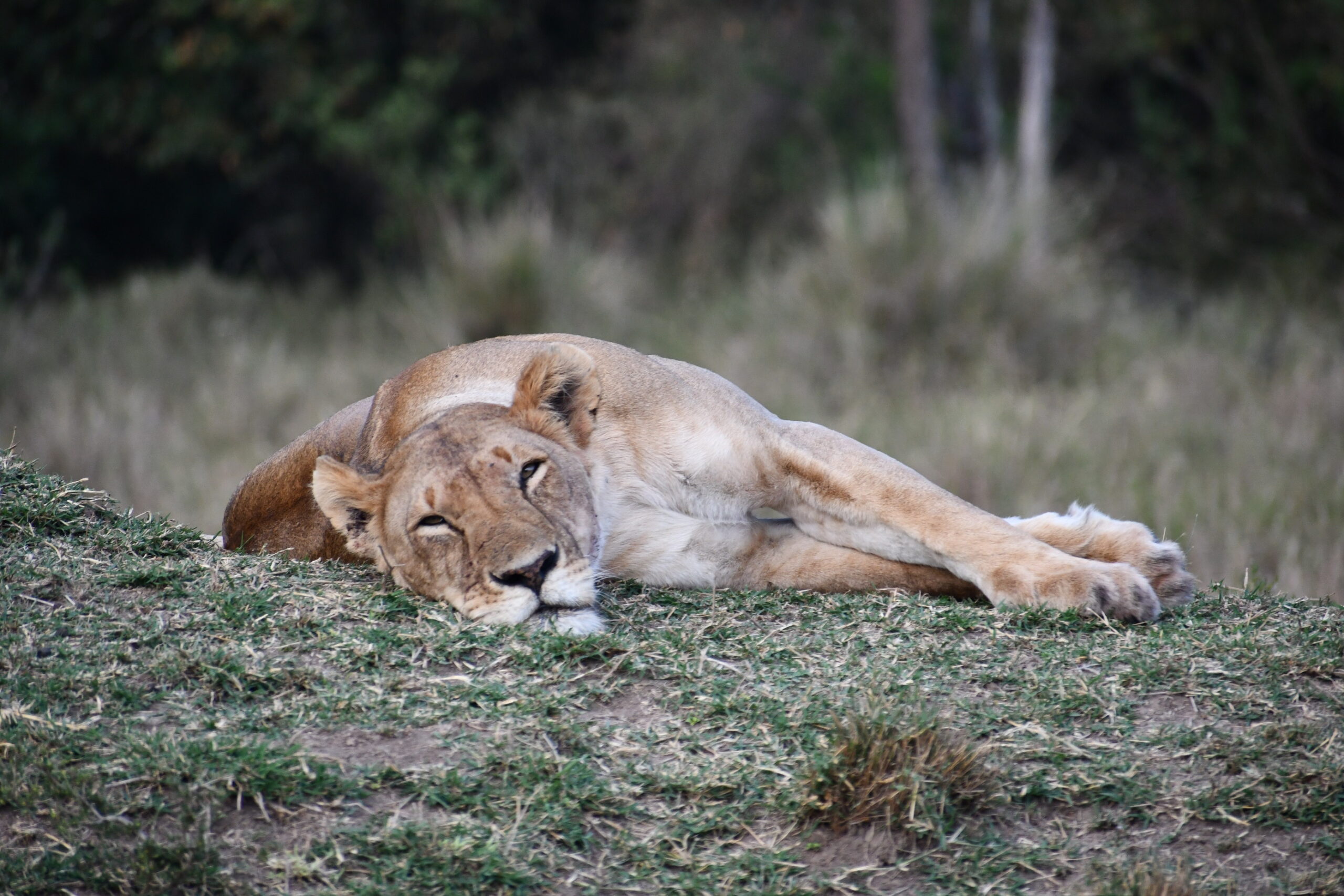
Today, the core Topi Pride resides around an area called ‘Ngwengweny’ and the border of Olare Mororogi and the Reserve. It currently has seven members: four adult females; Dunia, Jua, Nyota, and Moto (Summer’s granddaughter through Longneck, who also raised Nenkai and her littermate Moja Moja), Moto’s playful one-year-old daughter (Summer’s great-granddaughter), and Jua’s two nine-month-old sons. Within the Topi Pride’s broader territory around the Double Cross area, there are also four females—Nashipae, Nenkai, Naretu, and Tali, who are littermates to the seven Topi Boys. These females dispersed from the core pride to avoid inbreeding with their fathers, the Salas males. Recently, Nashipae emerged from the den with two tiny cubs, Summer’s great-grandcubs through Dunia.
The seven Topi Boys, all second and third generation descendants of the original Four Seasons females (except Vuli and Kiongozi), have now settled in the Musiara Marsh, ruling over the iconic Marsh Pride. Ukingo, Otipo, Moja Moja, Vuli, Nzuri, Djodjo, and Kiongozi—all approaching four years of age, except for Kiongozi, born in 2022, are a promising and formidable coalition destined to shape the future of lion politics in the Mara ecosystem.
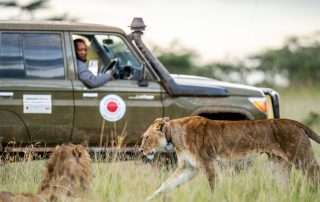
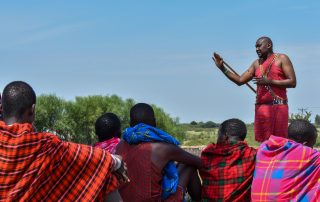
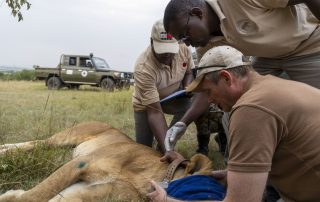
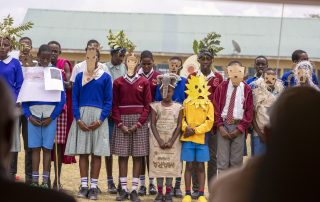
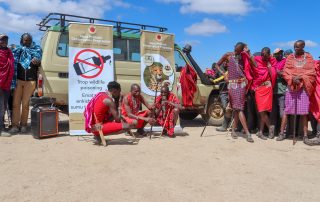
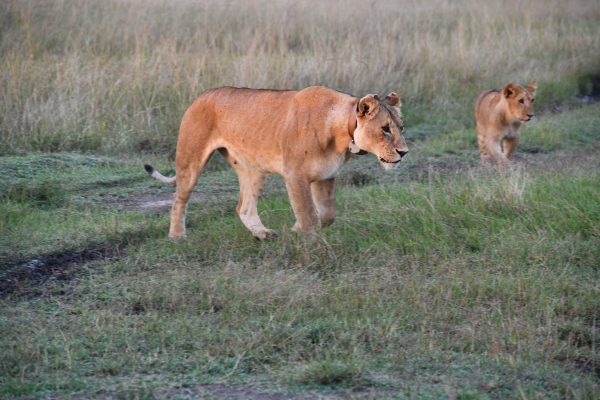
The story of the Topi Pride is the story of modern lion conservation in action. It shows that while the threats of human-wildlife conflict are devastatingly real, they can be overcome. The survival of this dynasty is proof that with a science-driven, community-focused strategy, we can create a landscape where both people and lions can thrive. Through our annual Intensive Monitoring Sessions, we track their numbers. Through our “Collars for Conservation” program, we follow Jua’s every move. And through our Lion Ambassadors and predator-proof bomas, we give her cubs a better chance of survival than their grandmother ever had.
On this World Lion Day, the Topi Pride is a symbol of our collective success and a beacon of hope.
Be a Part of the Story
Support Our Work
The future of dynasties like the Topi Pride, born and raised in a high-conflict zone, depends entirely on our collective action. This World Lion Day, you can help us protect this species from the same threats that claimed their ancestors.
- $50 buys boots for a Lion Ambassador on the front lines of conflict mitigation.
- $200 installs predator-deterrent lights on a boma, protecting both livestock and lions.
- $3,000 pays the salary of a Lion Ambassador for one year.
- $5,000 deploys a GPS collar, like the one Jua wears, providing years of data to help us protect entire prides.
Every donation makes a difference and allows us to continue this important work.