Predator Watch #5
A Story of Sons and Successors (21st – 27th July 2025)
Every day in the wild, a new story is written.
This week in the Mara, the air is thick with anticipation; It’s a story of legacy and the rise of the next generation. We’re witnessing fathers mentoring their sons for future rule, queens guiding their princes, and wandering brothers returning home with the potential to claim a kingdom. These are the moments that will define the Mara for years to come, and our team was on the ground to witness the making of future legends.
Engoyanai Subadults
Last Sunday, Osupat, the Fig Tree male, appeared in Naboisho, not far from the Naboisho/Olare Motorogi border. Interestingly, with him were his three subadult sons, all in perfect condition. Tuesday morning, we sighted the three subadults back in Olare Motorogi Conservancy, north of Olare airstrip. The three young males were walking across the plains with the attention of all the herbivores around. Osupat has held ground alone since his coalition partner, Nyekundu, disappeared, siring and helping to raise these young males among many others.
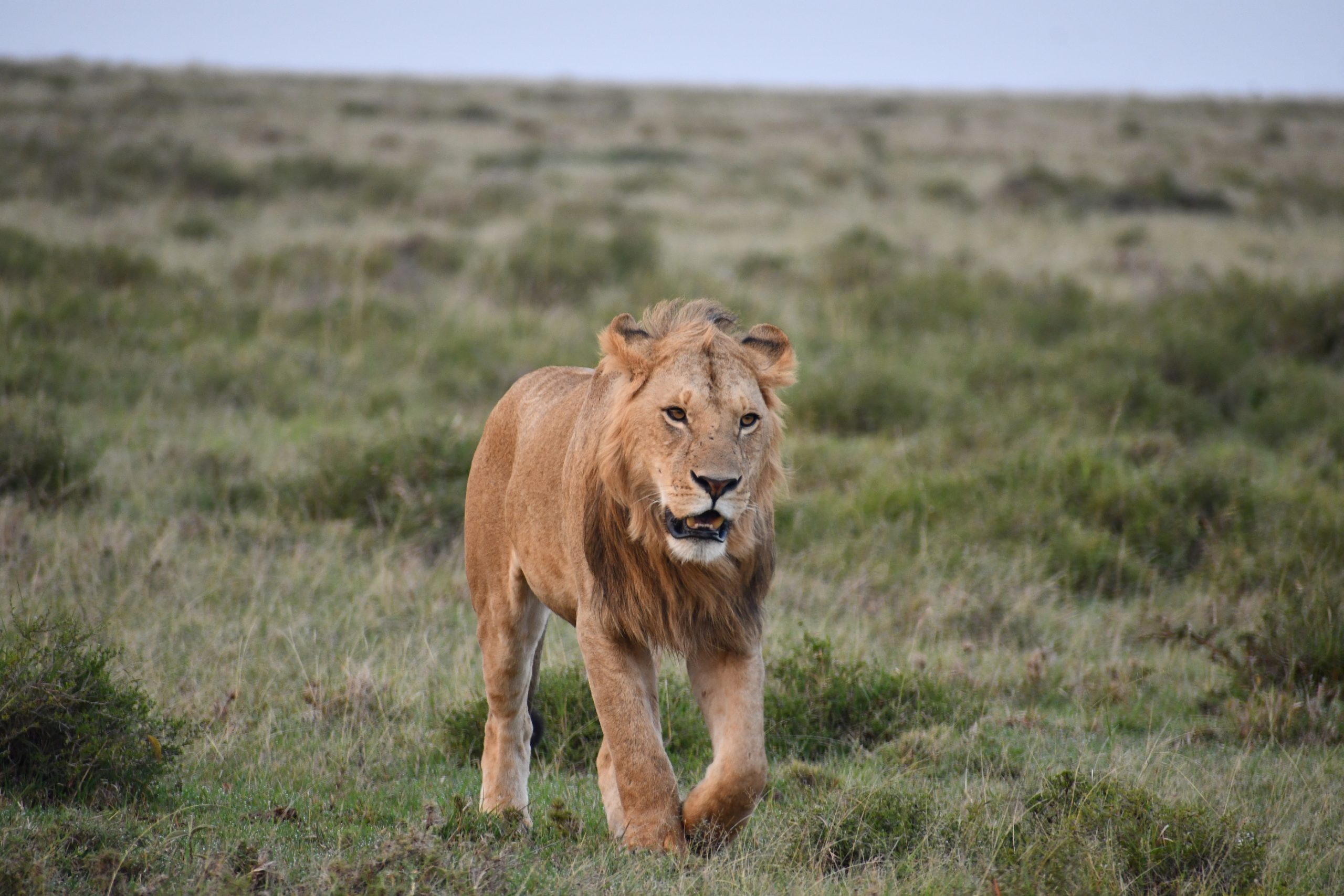
When the seven Cheli-born boys crossed into the northern side of Olare Motorogi Conservancy, intruding into the Engoyanai and Oldikdik Prides’ territory, Osupat, with his sons, moved to the eastern side of the conservancy, where he is mostly seen with the Hammerkop Pride. It will be exciting to see if the three young males will stick with their father and form a coalition.
Queen of Olkeju Rongai
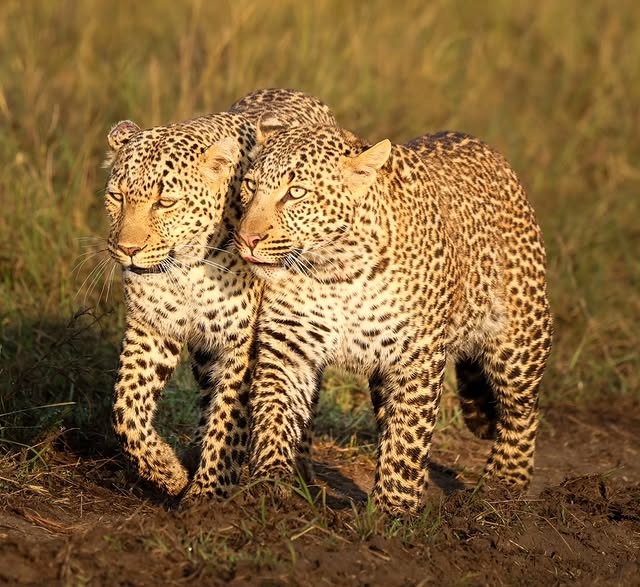
If there’s one Leopard in the Mara ecosystem who rules her realm with confidence, it’s Luluka, the Queen of Olkeju Rongai. A daughter of the legendary Lorian, Luluka has become one of the most beloved leopards in the Reserve. Her territory spans the iconic Olkeju Rongai area, where she’s offered countless magical moments to tourists and wildlife photographers. This week, Luluka was spotted with her son, Olomunyak, who is now over a year old.
The pair was walking confidently through familiar paths in their territory. Luluka’s fame isn’t just because of her beauty; it’s her reliability. Unlike many elusive leopards, she graces visitors with frequent sightings, earning her the title of every guide’s favourite. As Olomunyak continues to approach his dispersal age, we hope he stays in the Reserve and is as frequently seen as his famous mother. Photo © @_kyleworld
Cheetah Count
The Trio is back Home
One of the most exciting sightings this week was the appearance of the Siligi Boys, Osiligi, Olopono, and Oldanyet, back in the Reserve. The trio was first spotted around the Ashnil area and, by Sunday morning, had moved into the Musiara Marsh, all looking healthy and strong. The three brothers were born in April 2021 in the Reserve to the famous mother, Siligi. They were originally a litter of five, but tragically, two did not survive after being brought out of the lair.
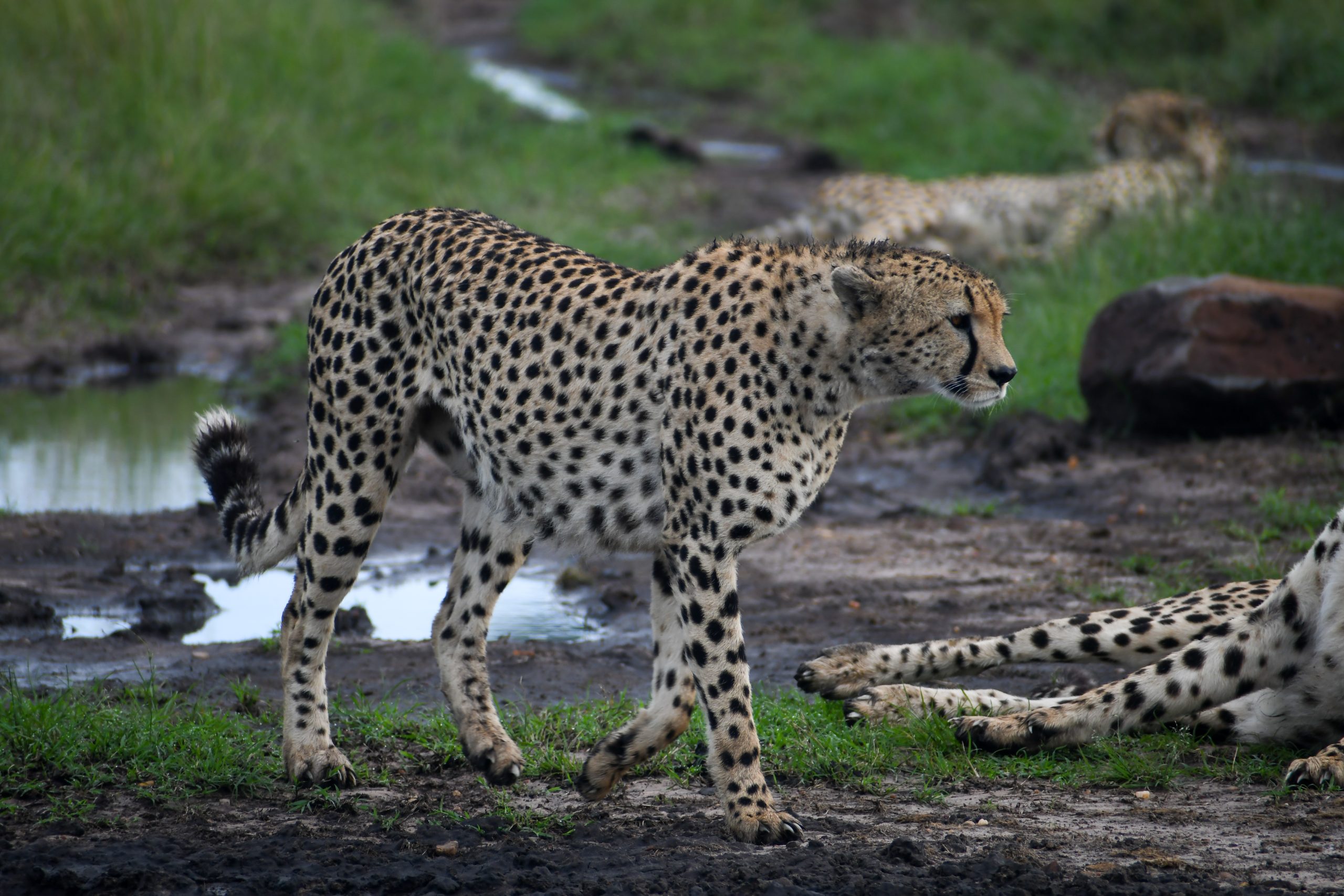
Toward the end of 2021, Siligi took her remaining three cubs across the border into the Serengeti, where she successfully raised them to independence. For two years, the brothers stayed in the Serengeti, returning to the Mara Triangle in July 2023. Since then, they’ve been moving between the two protected areas. Their recent appearance in the Reserve marks another important chapter in their journey, though they still seem to be unsettled and on the move. Now that the Tano Bora Coalition is down to just one male (Olonyok), the Siligi Boys could be the ones to take charge of the Mara plains.
This week’s stories of a male lion establishing a lineage, a leopard queen raising her prince, and the hopeful return of three cheetah brothers are more than just moments in time. They are the living threads of the Greater Mara’s future. Each heir that rises, each legacy that continues, is a victory for this entire ecosystem. By monitoring their journeys, we are actively working to ensure these dynasties can thrive for generations.
Correction
In last week’s Predator Watch story, “An Unexpected Encounter,” we mistakenly stated that Lormasi is related to the Rongai subs. This was an oversight on our part, and we regret the error.
Conservation News & Updates
Get ready for the 2025 Intensive Monitoring Session
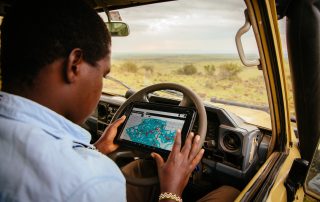
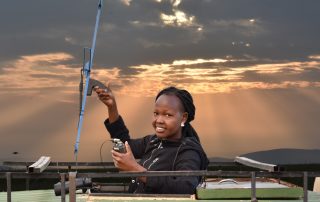
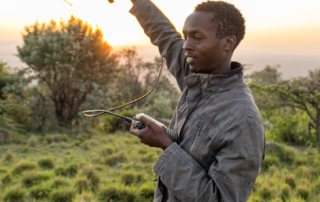
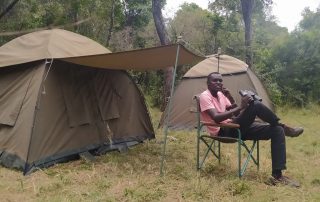
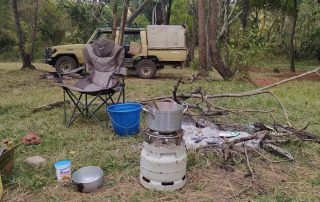
The countdown has begun. On August 1st, the MPCP team will start its annual Intensive Monitoring Session (IMS). For three months, our researchers will survey the Mara and intensively monitor the population of lions and cheetahs to obtain updates on their densities and distribution across 3,000 km² of the Mara ecosystem. This effort provides the data needed to understand population trends and protect these species effectively. Data collected includes sightings of all predators, prey, livestock, vehicles, and people. The spatially explicit nature of the data collected during IMS enables targeted conservation action, such as addressing conflict hotspots or planning community outreach.
Get ready to follow along as we share updates from this year’s IMS.
Be Part of the Story
Support Our Work
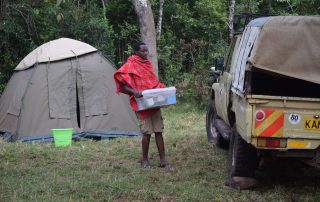
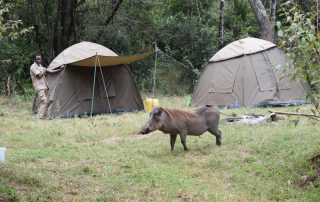
The stories you read in Predator Watch are made possible by our dedicated team on the ground and the essential tools they use every day. From monitoring lions and cheetahs across extensive territories to ensuring a Lion Ambassador can patrol safely, every aspect of our work requires resources. You can directly support these efforts and become a part of predator conservation in the Greater Mara.
Here’s how your contribution can make a direct impact:
- $50 buys a pair of sturdy boots to keep a Lion Ambassador on patrol.
- $100 purchases one GPS ear tag for a cow, helping us better understand and mitigate human-wildlife conflict.
- $500 provides fuel and maintenance for one of our 4×4 field vehicles for an entire month, keeping our research assistants on the move.
- $2,500 builds one predator-proof, recycled plastic boma (livestock enclosure), protecting livestock and preventing retaliatory killings.
- $5,000 allows us to purchase and deploy one GPS collar on a lion or cheetah, providing invaluable data on their movements.
Every donation makes a difference and allows us to continue this important work.