
Predator Watch #4
A Story of Family and Survival (14th – 20th July 2025)
Every day in the wild, a new story is written.
The Great Migration doesn’t just move wildebeest; it moves everyone. This week, the ripple effects of the herds were felt across the Mara, forcing unexpected encounters and testing the boundaries of established territories. At the same time, we were reminded that survival isn’t just about the hunt–it’s about the strength of family lines, passed down through generations. Here’s a look at how these two forces, migration and legacy, shaped the week.
An Unexpected Encounter
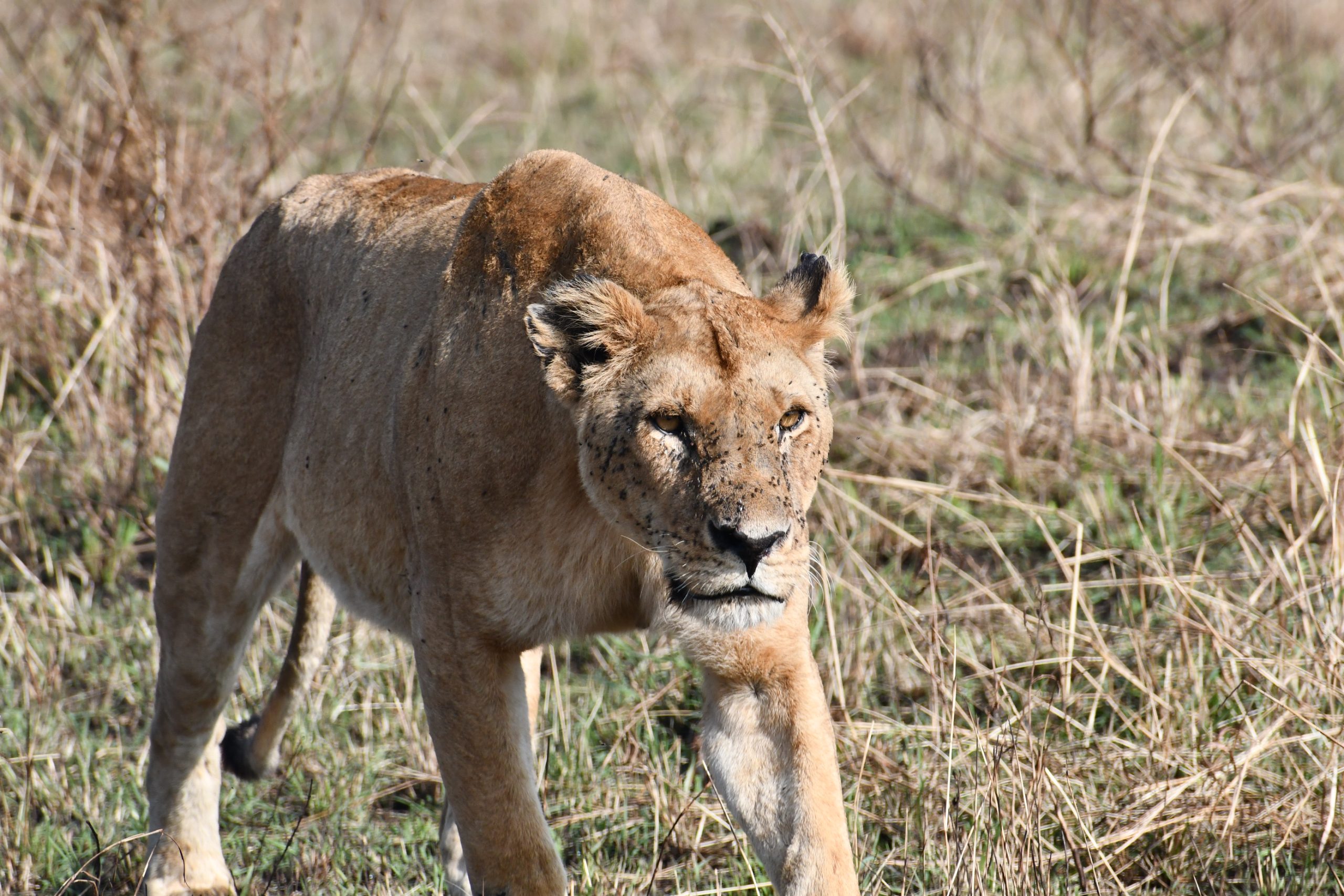
This week, we had an interesting sighting of Lormasi and Mama Earless in Kazkaz territory, where they are not typically seen. Lormasi was in the company of two Salas Pride females, cautiously followed by Mama Earless. Aware she was trespassing, Mama Earless kept a respectful distance, while all four lions remained focused on the nearby herbivores that had crossed the Sand River a few hours earlier.
This is one of those classic migration moments, when prey movements trigger predator shifts across territories. Interestingly, just 700 meters away, Lormasi's younger brothers, the Rongai subadults Olonkera, Ololtapata, Lepiyayoi, Kidong'oe, and Orongai, were under a shade right at the Kenya-Tanzania border. All looked well-fed, likely from a successful hunt the previous night.
Saturday with the Topi Pride
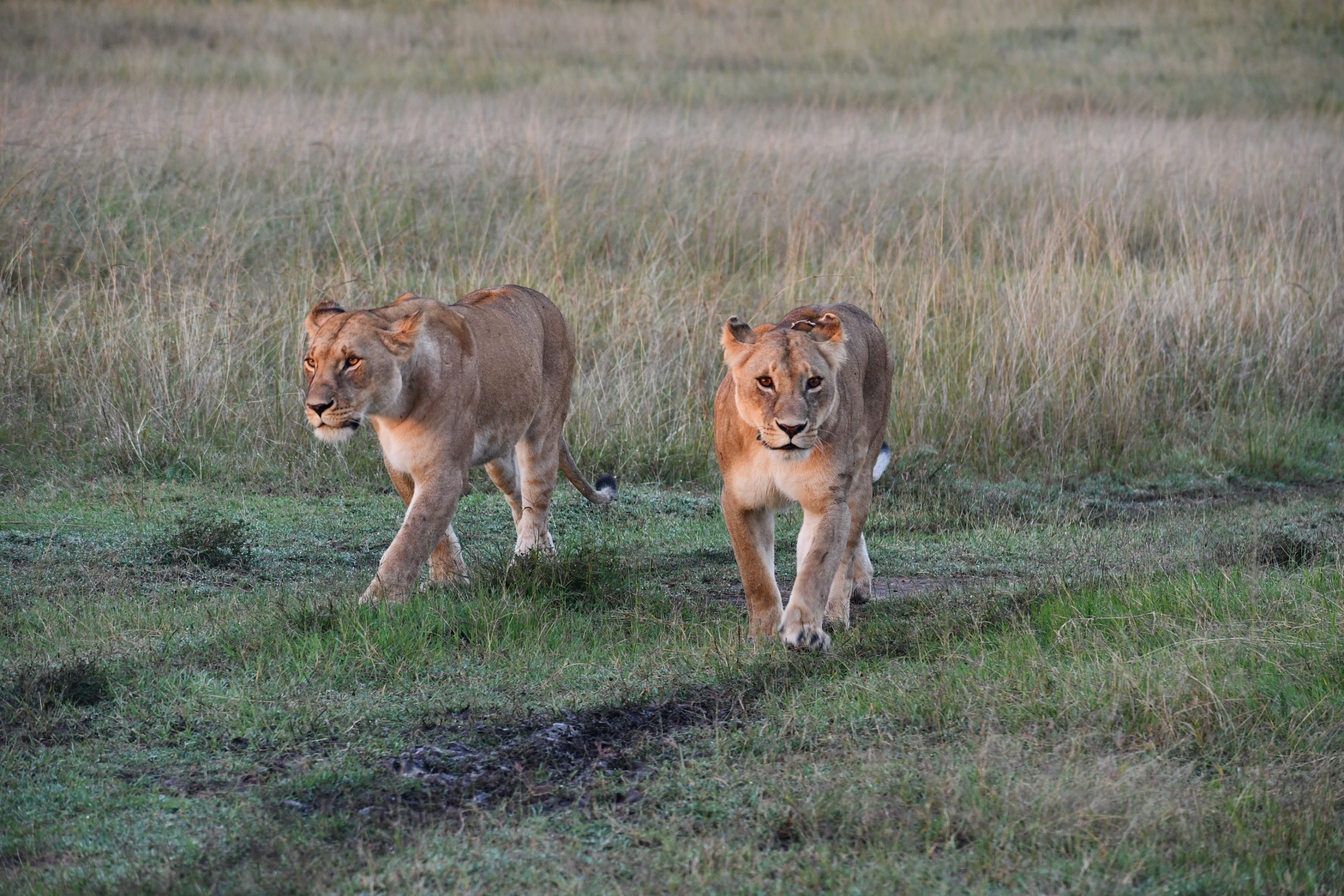
Saturday morning, we came across the iconic Topi Pride together with the remaining two Salas males, Olepolos and Osapuk. Present were Jua, Dunia, Moto, and Nyota, all in great shape. Moto’s daughter, now a playful one-year-old, and Jua’s two nine-month-old cubs were also part of the group. Olepolos and Osapuk kept a watchful eye from behind, ensuring nothing threatened the next generation of Topi cubs. Jua and Dunia are daughters of Summer from her 2016 litter, sired by Lipstick and Blackie, and Moto is Summer’s granddaughter through Longneck.
This makes three of the four current Topi females descendants of Summer. The fourth, Nyota, is Mdomo's daughter. Meanwhile, Nashipae, one of the four sisters born in 2021 (littermates to six Topi Boys), brought out her two cubs this week. She, along with her sisters Naretu, Nenkai, and Tali, remains away from the main pride. All four are mostly seen around the Doublecross area.
Cheetah Count
Kulete’s Update
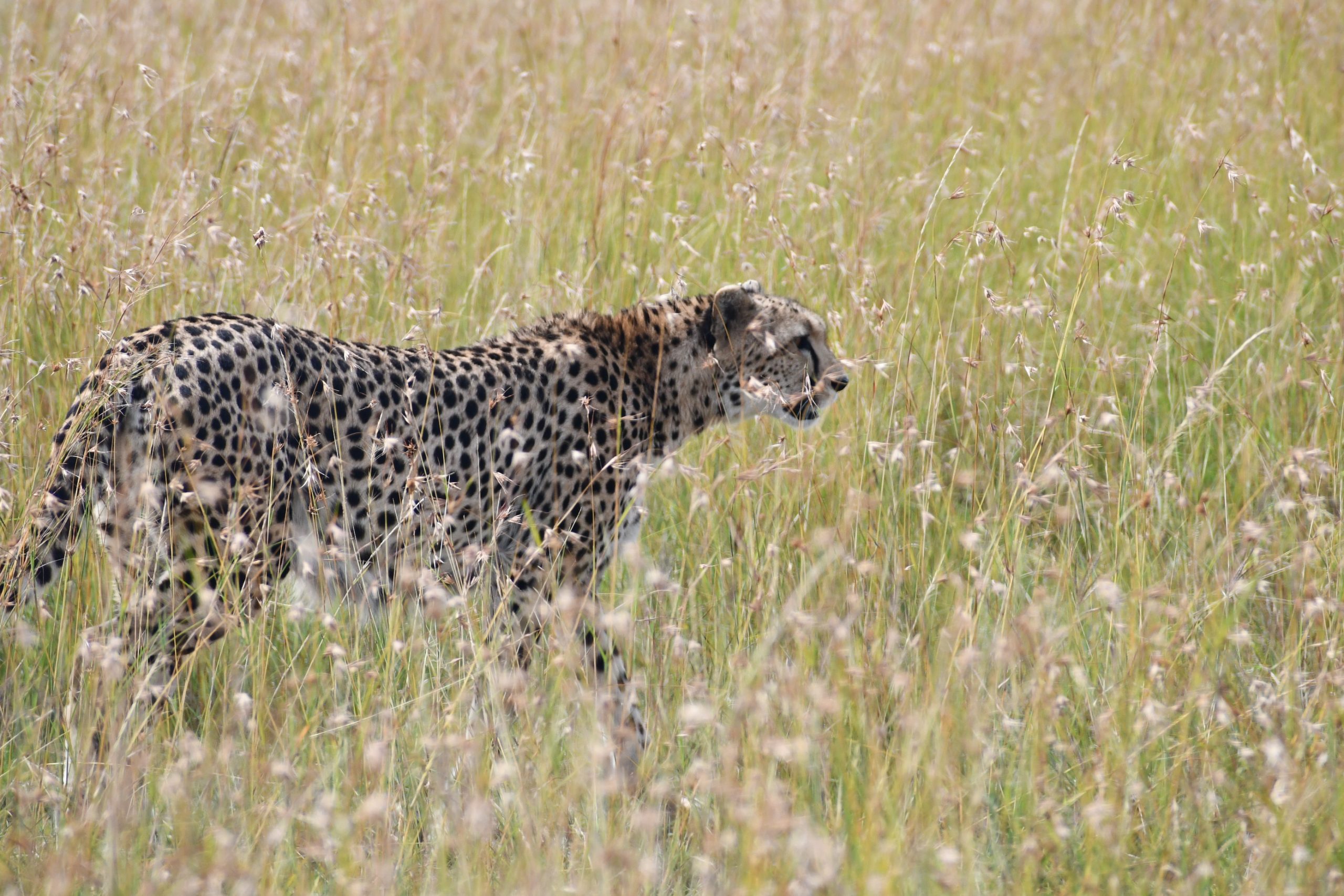
Kulete and her cub are doing well, still in Mara North Conservancy. This week, she successfully took down a Tommy and managed to feed without any hyena interference, a rare and much-needed win. She continues to navigate daily threats from hyenas, buffaloes, and even baboons, all of which roam the woodland where she has chosen to raise her cub. In a landscape where the cheetah population is under an alarming decline, Kulete’s resilience stands out.
With cheetah cub survival rates estimated to be generally quite low, every successful day for a mother like her is a small victory for the species. Continued monitoring, protected spaces, and collaboration with local communities and rangers are key to turning the odds around.

A New Report on Cheetah-Livestock Coexistence
This week, we released a new report titled Active Livestock Management Can Improve Coexistence with Cheetahs in Kenya’s Maasai Mara, by Brian Schuh, Ph.D. Cheetah-livestock interactions are common within the Maasai Mara’s wildlife conservancies and neighboring community lands. Yet until now, we lacked direct data on how cheetahs behave during and immediately after these interactions. While known instances of calf and shoat predation by cheetahs suggested they might be attracted to herds of cattle and shoats, numerous field observations also indicated they may be indifferent to – or even displaced by – interactions with one or both types of livestock.
To better understand the aftermath of these interactions, we conducted an experimental study that simulated the presence of approaching cattle and shoat herds using audio playbacks, allowing us to directly observe how individual cheetahs responded. The knowledge gained from this study provides actionable recommendations that conservancy managers and livestock owners can use to reduce livestock predation and minimize the negative impacts interactions with cattle can cause to cheetah behavior.
To learn more, read the full report by following this link.
From lions testing boundaries to a mother cheetah’s quiet triumph, this week shows that survival in the Mara is a delicate balance of power, legacy, and luck. Each observation helps us understand this balance and informs our work to protect it. Thank you for being a part of their story. If you would like to join us in this mission, please consider supporting our work.