Predator Watch #19
Floods, fierce mothers and shifting territories (9th – 15th March 2026)
Every day in the wild, a new story is written.
Welcome back to Predator Watch, it has been a little while since our last field update. Due to recent technical challenges, we had to temporarily pause our regular blog entries, but we are pleased to be back online and sharing stories with you again.
As many of you have likely seen in the news, Kenya and the Maasai Mara are currently experiencing severe heavy rains and widespread flooding. Our top priority has been, and continues to be, the safety of our team, our partners, and the local community. We are taking all necessary precautions and working hard to ensure our staff remains secure and well-supported as they navigate these extreme and often unpredictable weather conditions.
Despite the rising rivers and torrential downpours, predators of the Mara continue their daily struggle for survival. The drama of the wild waits for no storm, and here is the latest on what has been happening.
Fig Tree Pride
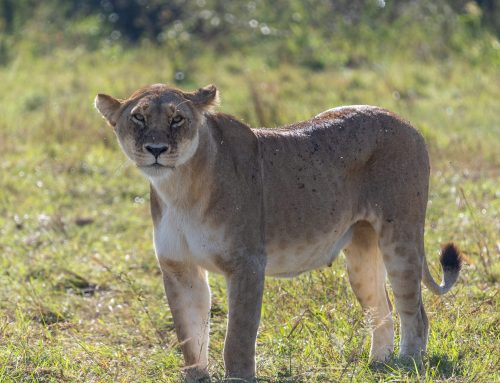
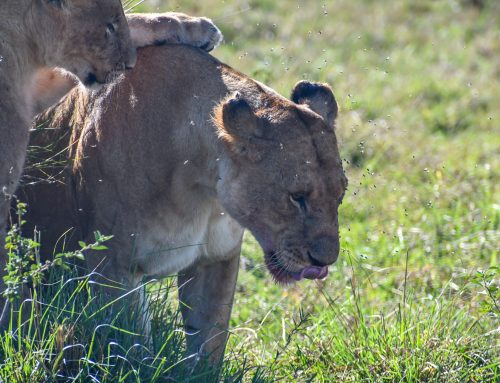
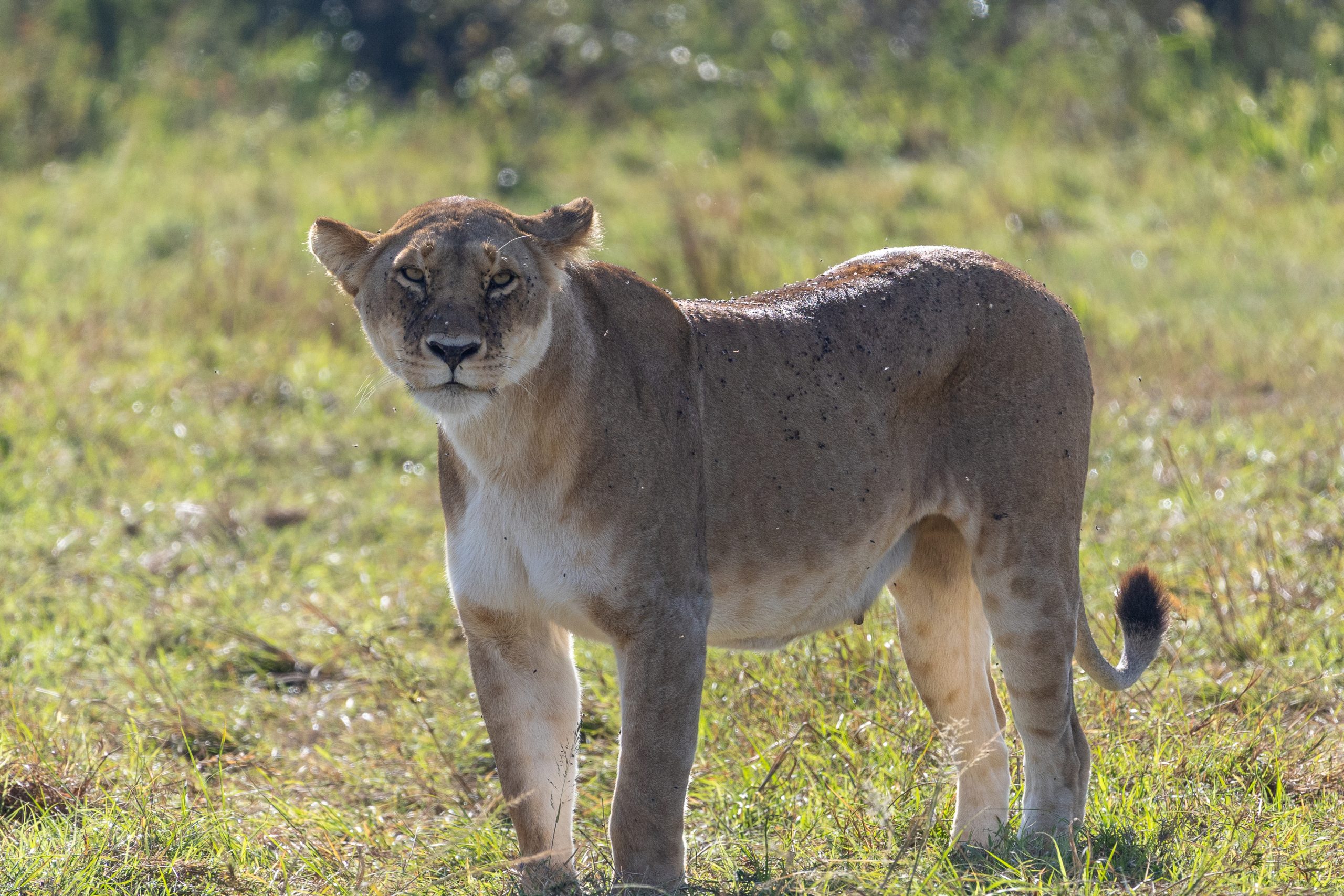
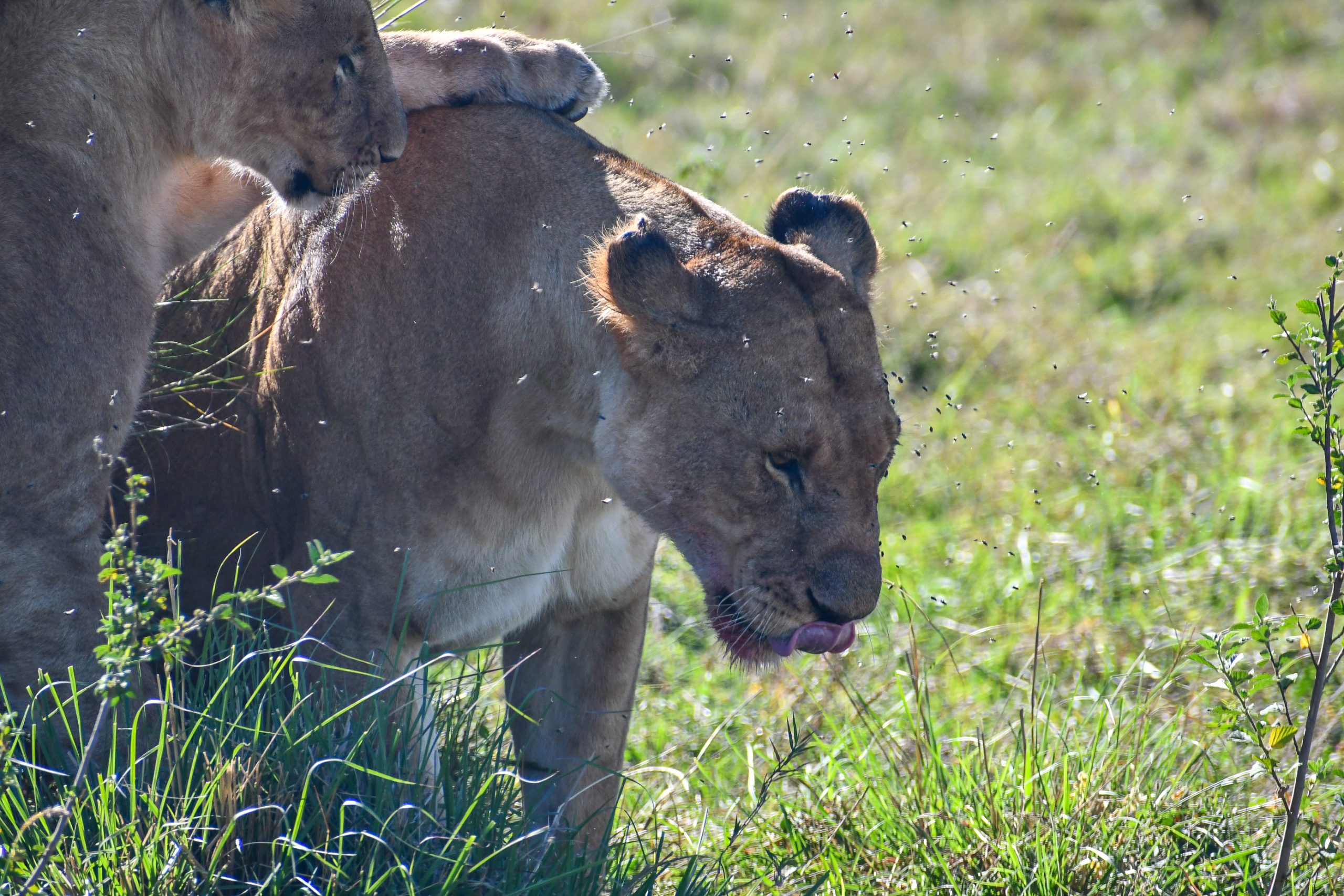
The Fig Tree Pride, Samara, Sukari, and their three remaining cubs have had big change in their movements since the Kisinja males stormed into their territory in a forceful takeover attempt, killing three of the pride’s cubs. Around the same time, the Rongai Rockers also intruded into the area, further destabilizing the pride’s range.
Oloimina, now the sole remaining pride male after Oloshipa’s death in September, was present during the confrontation with the Rongai Rockers. With Sukari’s support, he managed to repel the intruding males while Samara fled with the cubs. Since then, the females have appeared increasingly cautious, gradually shifting northeast of their traditional range.
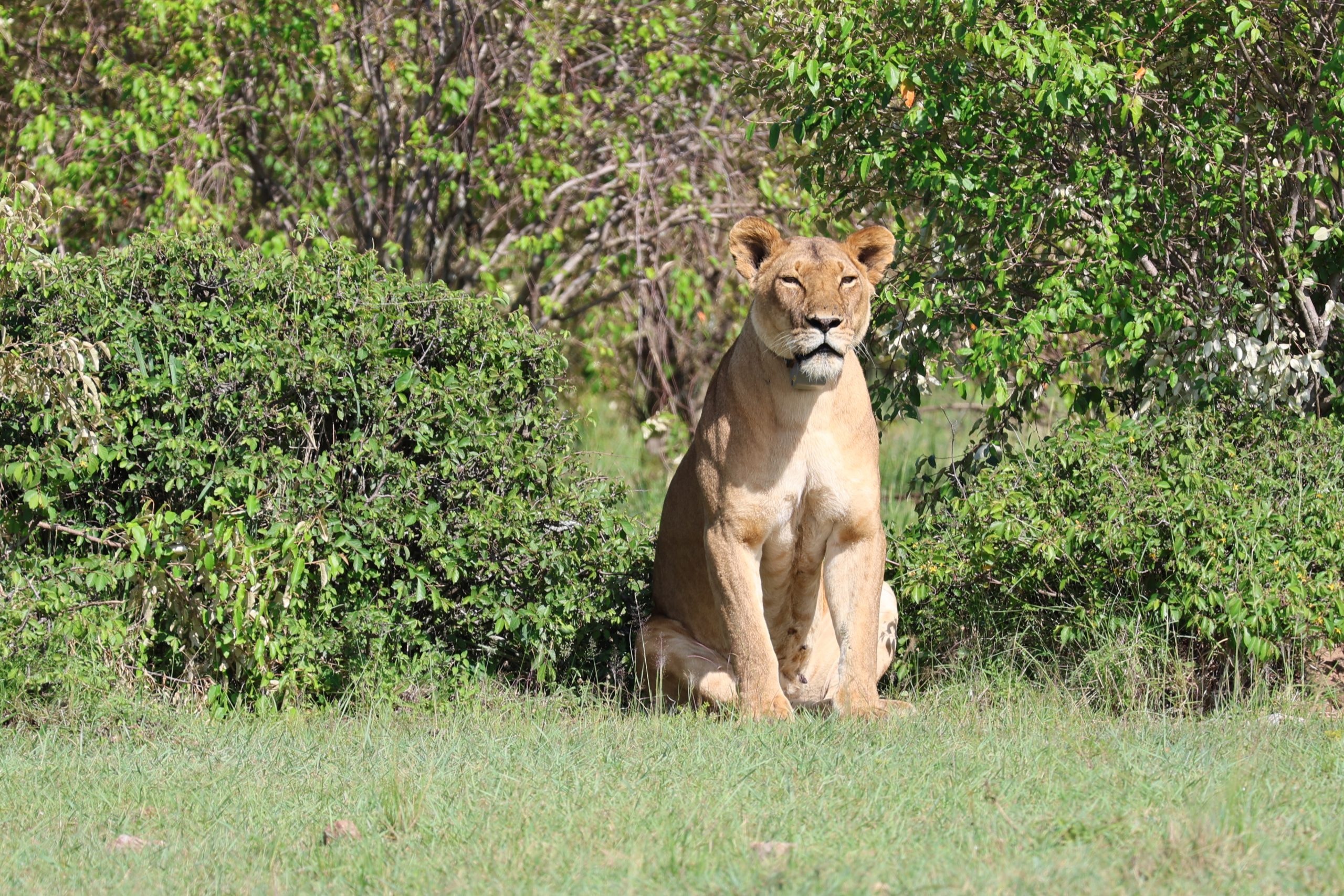
In recent developments, the Fig Tree Pride has moved even farther, now spending much of their time around the community areas and Olerai Conservancy. They were even sighted briefly in Naboisho Conservancy, as far up as the Leopard Hill area.
This new movement may create a significant separation between the pride and Oloimina. With the females pushing deeper into community and conservancy lands, the chances of the lone male reuniting with them are becoming increasingly slim. The future of the pride now hangs in a delicate balance, shaped by shifting territories, pressure from rival males, and the constant search for a safe place to raise their remaining cubs.
Rekero Pride
When the 6-Pack took over the Rekero pride, we expected a baby boom in the pride, considering the stability that the coalition of four males brought. The Rekero Pride has its territory in an area where there is no human pressur,e and with a strong coalition such as the 6-Pack as their pride males. Only rare intrusions from other males occur, yet for more than two years now, ever since the 6-Pack took over, they have not raised any litter to independence.
The Rekero pride females dens around Naibor Camp at the banks of Talek River, which is prime denning habitat for lions. Unfortunately for the lions, there is a resident leopard using the same area as the heart of her territory and every time lion cubs are exposed, she sneaks in and kills cubs. This is one of the tough but normal dynamics that wild predators face.
Leopard Lives
First encounter with Akira the Leopardess
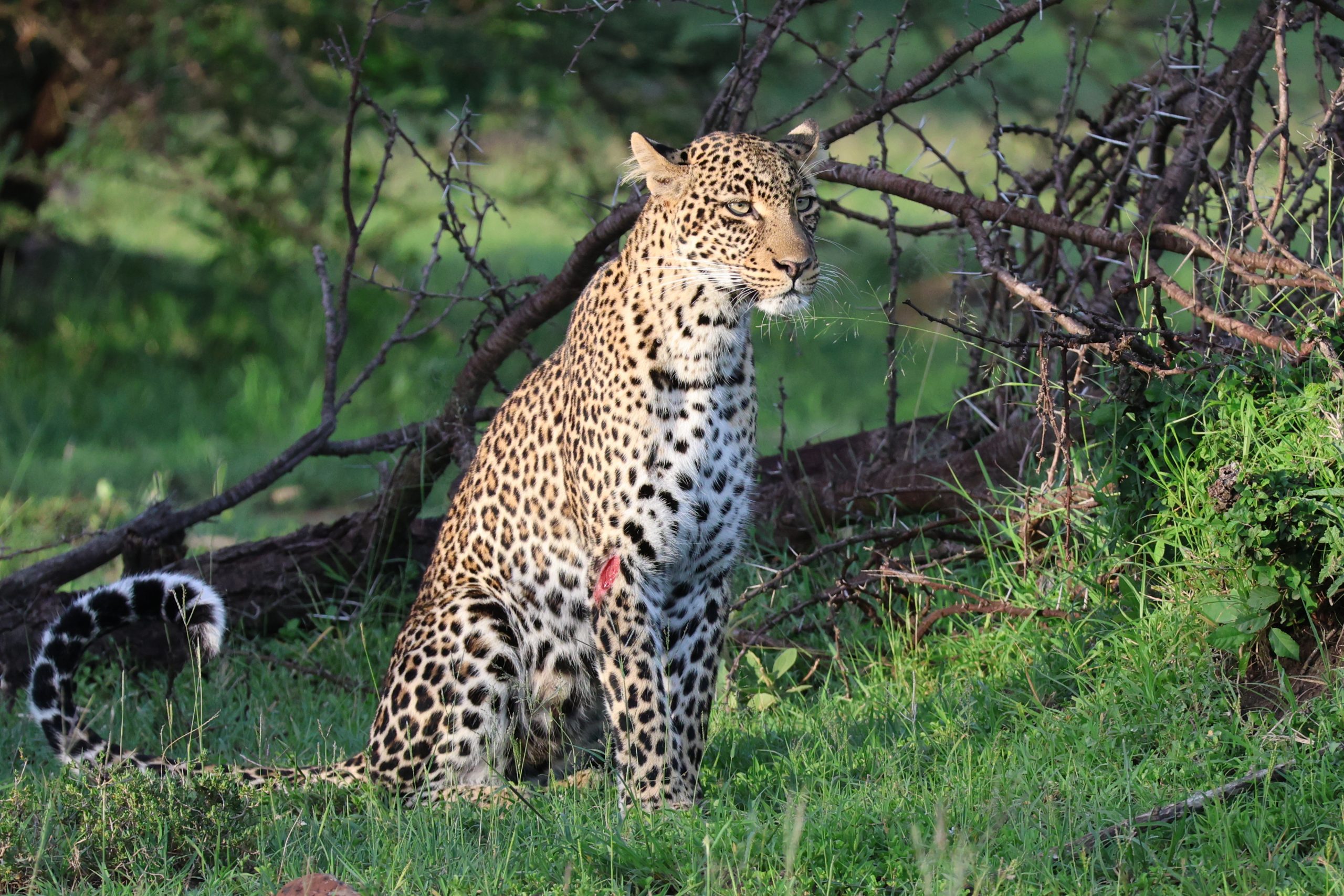
During a recent sighting, we encountered a female leopard known by guides as Akira, whose territory lies in an overlap zone between Olare Motorogi Conservancy and the National Reserve. She is currently raising two cubs. Akira is not often seen, and unlike some of the more frequently sighted leopards in surrounding territories, she tends to stay within dense thickets where visibility is limited. However, in recent days, sightings of her have become more frequent as she has shifted to a more open and accessible area on the Reserve side, likely to raise her cubs there.
During our encounters, we noticed a small but fresh wound on her front right leg. According to guides in the area, the injury may have occurred during a confrontation with a lioness that attempted to attack her cubs. In the process of protecting them, Akira took the injury herself, an act that reflects the fierce instincts of a mother defending her young.
Encounters like this highlight the constant challenges predators face in the wild. Even for a skilled and elusive hunter like Akira, raising cubs comes with risks, and survival often depends on resilience in the face of such threats.
As heavy rains continue to reshape the Mara’s landscape, the resilience of these predators and our team is continually tested.
Thank you for your patience during our hiatus, your support, and the kind messages of concern we’ve received over the past few weeks. We remain committed to monitoring and protecting these predator populations. The will to survive here is extraordinary, whether it is a lioness protecting her cubs from rivals or a leopardess taking a hit to defend her young.
If you would like to help us keep our vehicles running and our field teams supported during this challenging wet season, please consider contributing to our conservation efforts below.
Stay safe, and we will see you in the next update.
Be Part of the Story
Support Our Work
The stories you read in Predator Watch are made possible by our dedicated team on the ground and the essential tools they use every day. From monitoring lions and cheetahs across extensive territories to ensuring a Lion Ambassador can patrol safely, every aspect of our work requires resources. You can directly support these efforts and become a part of predator conservation in the Greater Mara.
Here’s how your contribution can make a direct impact:
- $50 buys a pair of sturdy boots to keep a Lion Ambassador on patrol.
- $100 purchases one GPS ear tag for a cow, helping us better understand and mitigate human-wildlife conflict.
- $500 provides fuel and maintenance for one of our 4×4 field vehicles for an entire month, keeping our research assistants on the move.
- $2,500 builds one predator-proof, recycled plastic boma (livestock enclosure), protecting livestock and preventing retaliatory killings.
- $5,000 allows us to purchase and deploy one GPS collar on a lion or cheetah, providing invaluable data on their movements.
Every donation makes a difference and allows us to continue this important work.