Predator Watch #17

International Cheetah Day Special (4th December 2025)
Every day in the wild, a new story is written.

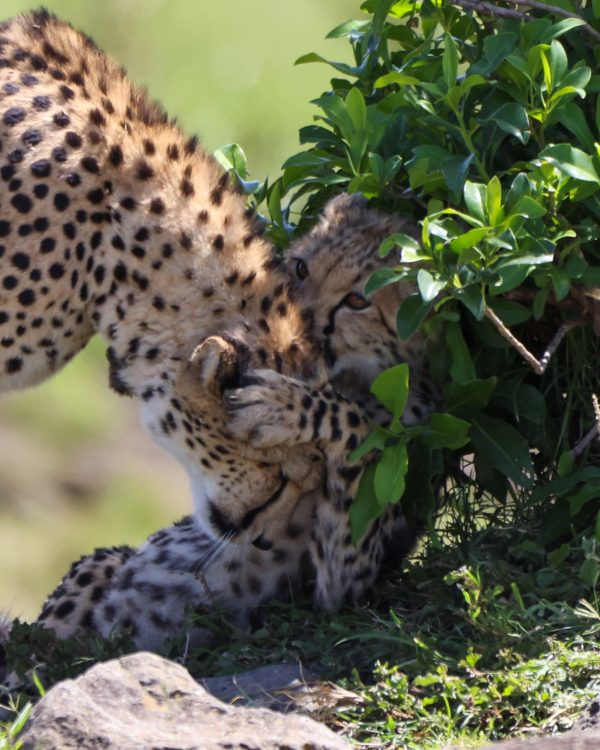
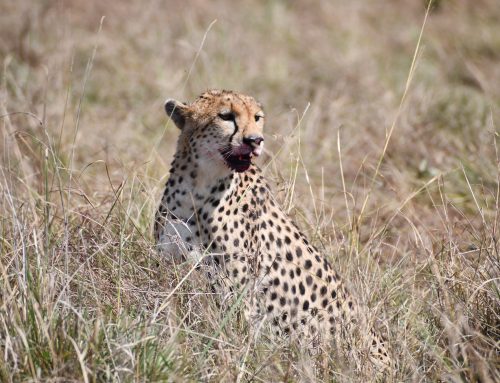
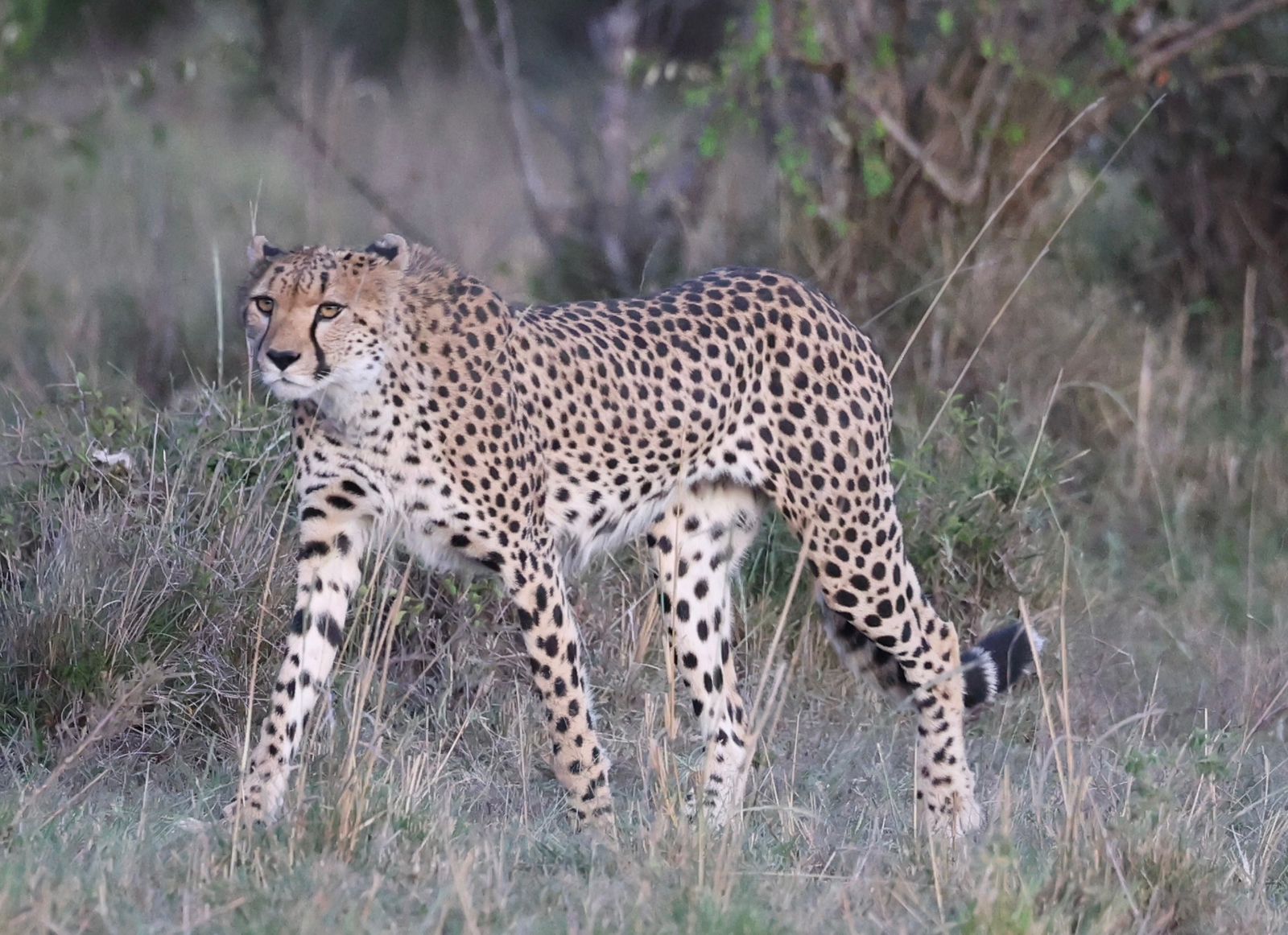
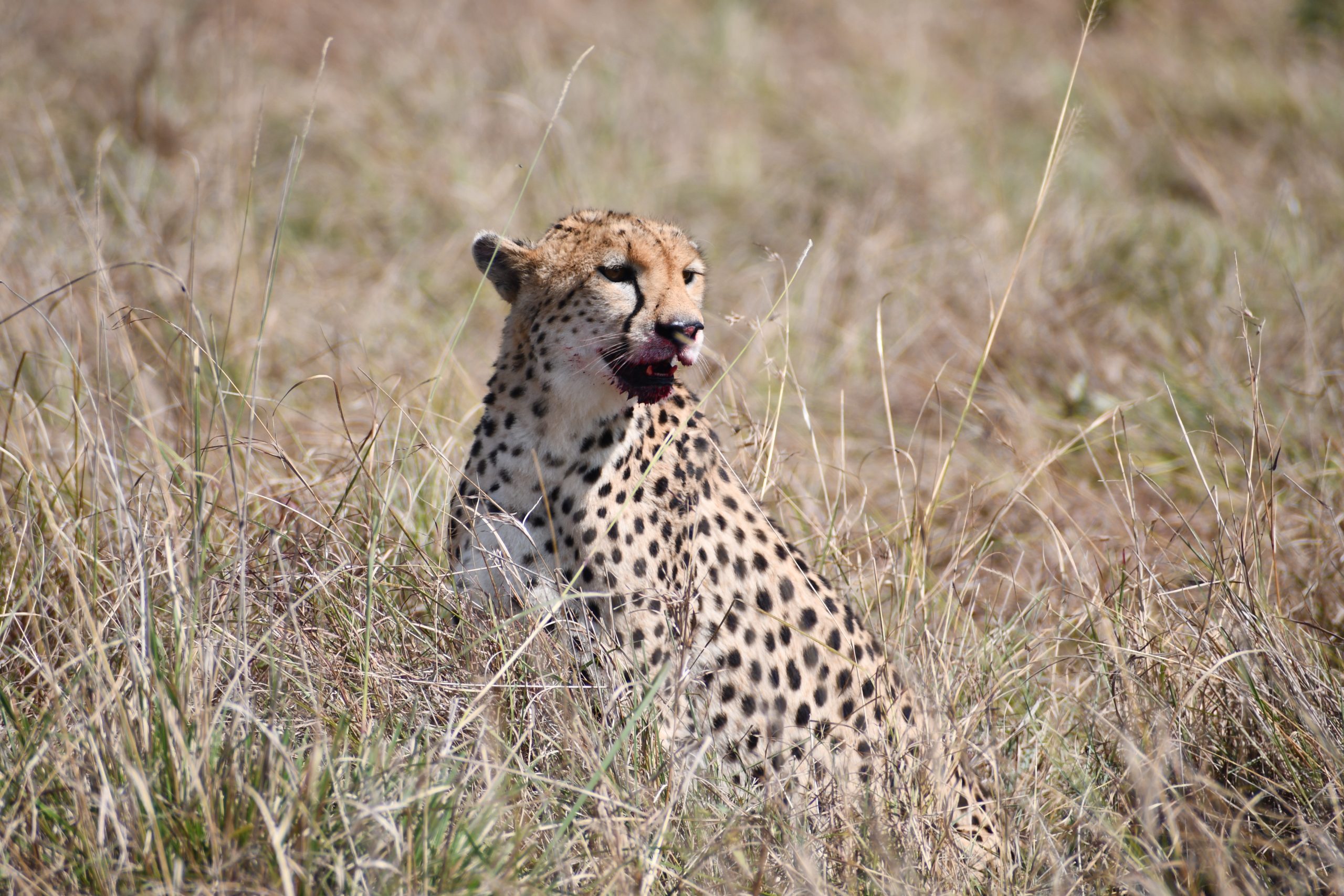
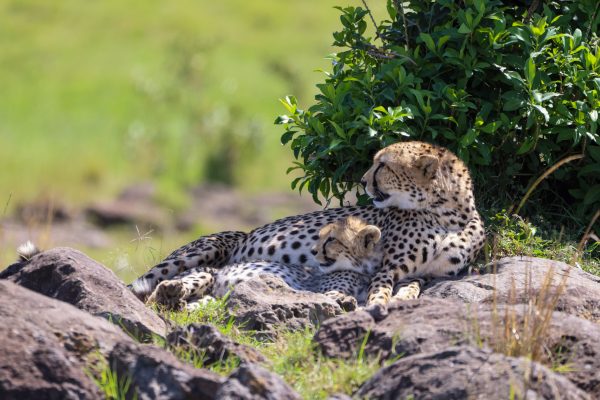
To see a cheetah is to witness the very spirit of the Maasai Mara. An explosion of grace and speed, it is the symbol of the vast, open plains it calls home. Yet, to be built for wide-open spaces in a world that is shrinking is to be vulnerable.

Every year on December 4th, we celebrate cheetahs as one of the most iconic species of the African savanna and raise awareness about the threats they face across their range. The Greater Mara Ecosystem is home to one of the world’s most well-known cheetah populations. Many individuals are identified from birth, followed for years by guides and tourists, and even featured in global documentaries.

The Science of Survival

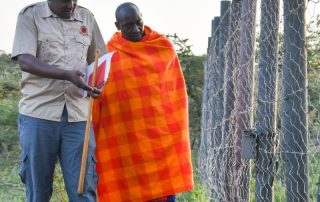
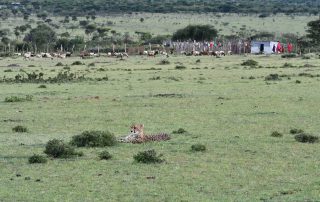
Yet, despite this attention, cheetahs in the Mara face increasing challenges, including expanding fencing in community areas, human-wildlife conflict, and the pressures of mass tourism. Tackling these threats requires coordinated efforts among landowners, conservancy managers and rangers, herders, and tourism partners. But when people unite around a shared passion for cheetahs, there is real hope for a future where both cheetahs and communities coexist.
In recent years, female cheetahs and their cubs have faced the greatest challenges. Natural cub mortality can be as high as 95%, and added human pressures, but added pressures from people, vehicles, and livestock, in combination with natural threats like other carnivores, make survival even more difficult. Still, there are reasons for hope. Thanks in part to research from our team highlighting the risks posed by tourism vehicles near cheetahs with cubs, managers across the Mara have begun implementing new protections: enforcing stricter vehicle limits and behavior near mothers with cubs, monitoring these females more frequently, and working to prevent interactions with livestock and larger carnivores. And we are beginning to see success.

During our 2025 three-month Intensive Monitoring Session (IMS), our research team:

  • Covered over 6,600 km, traversing the Greater Mara Ecosystem.
  • Recorded 52 cheetah sightings.

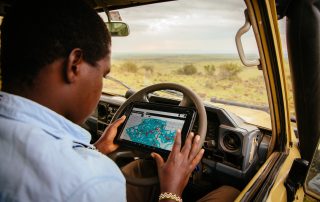
This data allows us to understand their spatial ecology, behaviors, and threats facing them.
Hope
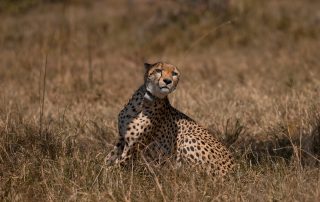
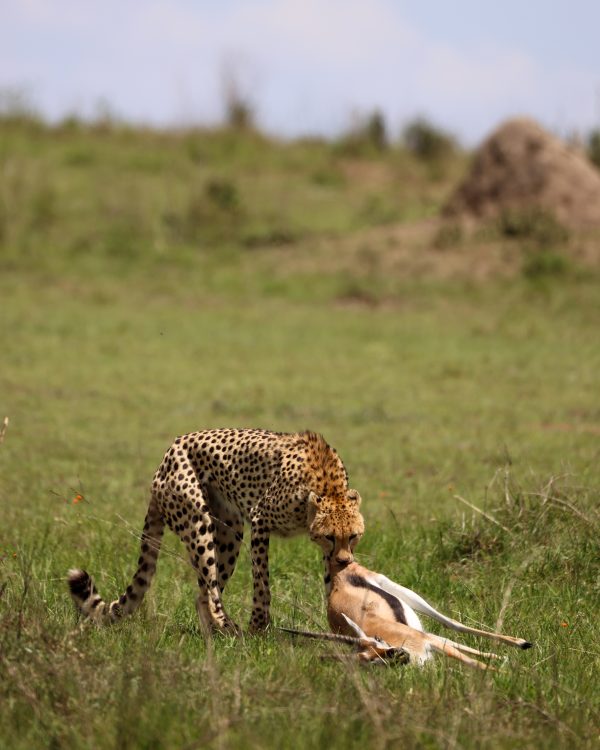
In March 2025, the iconic female cheetah, Nashipai, finished raising three cubs in the Maasai Mara National Reserve (MMNR), monitored closely by the MMNR Cheetah Unit. One of her daughters, Nempiris, has since been seen successfully hunting on her own. More recently, Kulete, another well-known female, has been successfully raising a single cub, Sadala, under the watchful care of rangers in Mara North Conservancy.
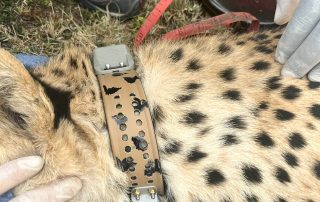
While challenges remain, these stories show what’s possible when conservation works. With continued support and collaboration, we can ensure cheetahs continue to roam the Mara for generations to come. From the GPS collars on dispersing males like Nalala to understand their movements, to the predator-proof bomas that protect livelihoods, every action we take is designed to promote coexistence.

In a critical step to reverse the alarming decline of the cheetah in the Greater Maasai Mara, Kicheche Safari Camps has partnered with Kenya Wildlife Trust to launch the Cheetah Patrol Vehicle Appeal. The situation is urgent: our data records a devastating 66% decline in the local cheetah population since 2020, with only 12 resident adults and fewer than 5 breeding females recorded in 2024.

To combat threats like retaliatory killings and habitat encroachment, we are aiming to raise USD 65,000 to fund a dedicated patrol vehicle. This unit will be essential for real-time monitoring, community engagement, and coordinated protection, serving as a lifeline to safeguard the future of the Mara’s most vulnerable predator.

Be a Part of the Story

Support Our Work

This World Cheetah Day, you can help us secure a future for the Greater Mara’s cheetahs

  • $50 buys boots for a Lion Ambassador on the front lines of conflict mitigation.
  • $200 installs predator-deterrent lights on a boma, protecting both livestock and cheetahs.
  • $ 500 keeps our research vehicles moving for a month.
  • $5,000 deploys a GPS collar, on a cheetah like Nalala, providing data on their movements.

Every donation makes a difference and allows us to continue this important work.
Click here to donate