Predator Watch #12
Shadows and Hope (8th – 14th September 2025)
Every day in the wild, a new story is written.
In the wild, a territory is a kingdom, and a bloodline is a legacy. But in the Mara, both are constantly under threat.
This week, we witnessed the reality of this struggle: a dethroned king clinging to the shadows of his former pride, a once-great family pinning its hopes on a new generation of cubs, and a lone cheetah forging a new path against all odds. It is a reminder that in this world, survival is a story of resilience, adaptation, and the unbreakable will to endure.
Shadows of Survival
Survey Pride and Orkirikoi’s Struggles
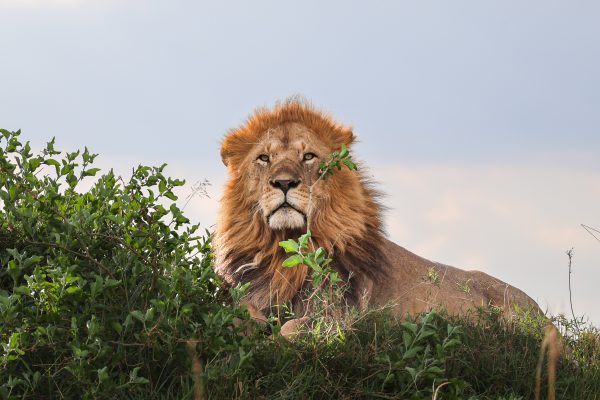
This week, it was fascinating to see Orkirikoi back with the Survey Pride after having been sighted a few days earlier in the Mara Triangle, roaming alone and far from his territory. After losing his partner, Oloborani, Orkirikoi remained stable, ruling the Survey Pride alone. However, life has been difficult for him since July 1st, when we witnessed the Rongai subadults chasing him away. Shortly afterward, the Kazkaz males, Omokale and Bron, took over his territory, forcing Orkirikoi into a precarious position.
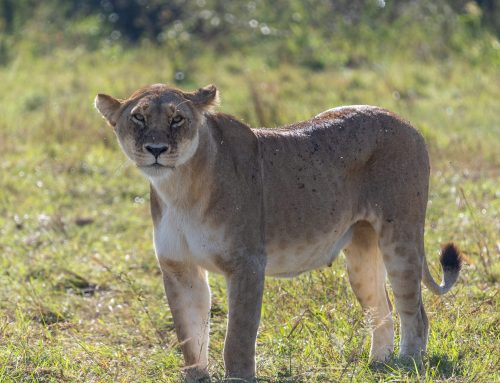
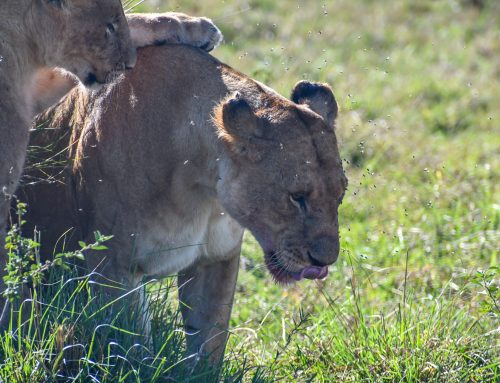
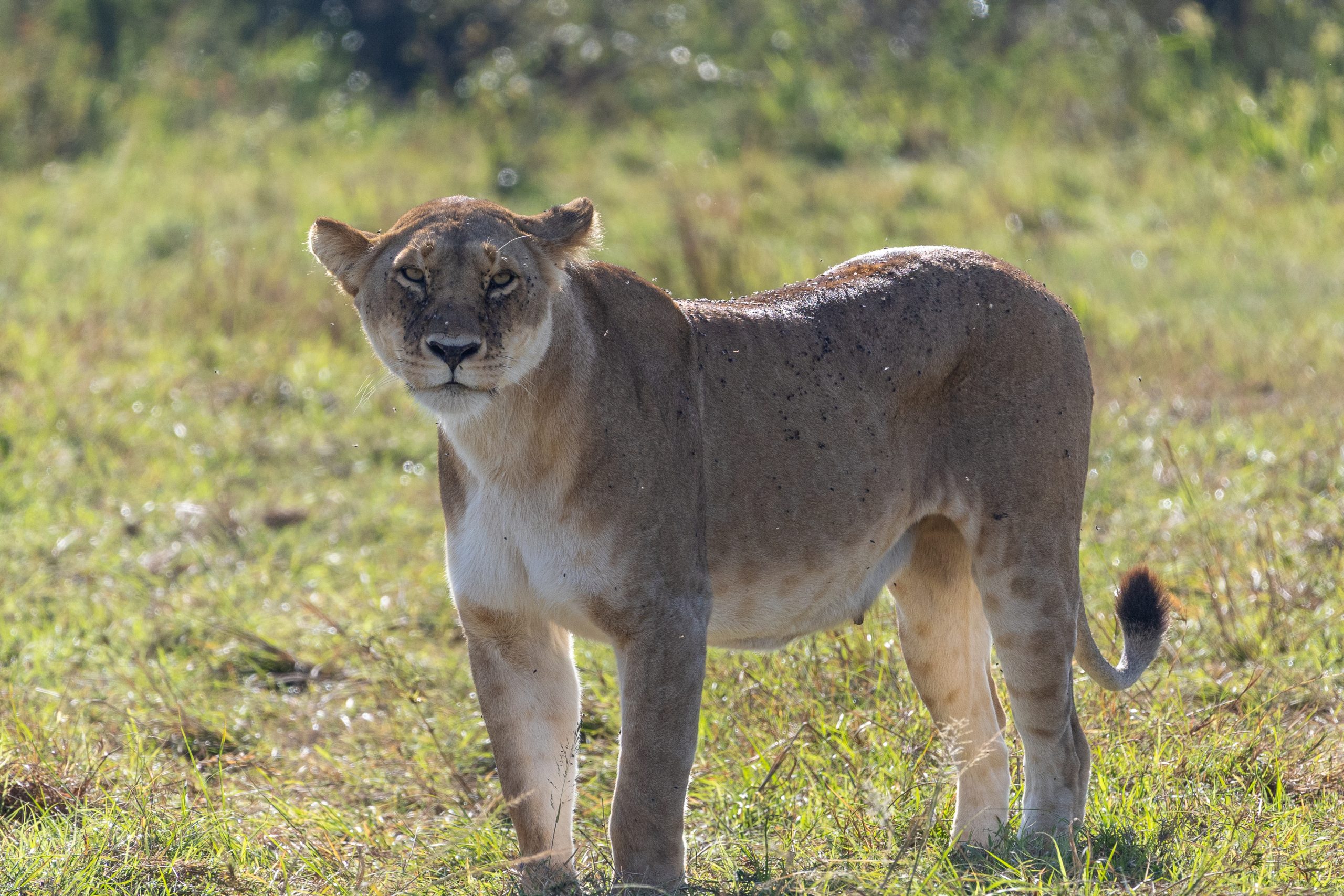
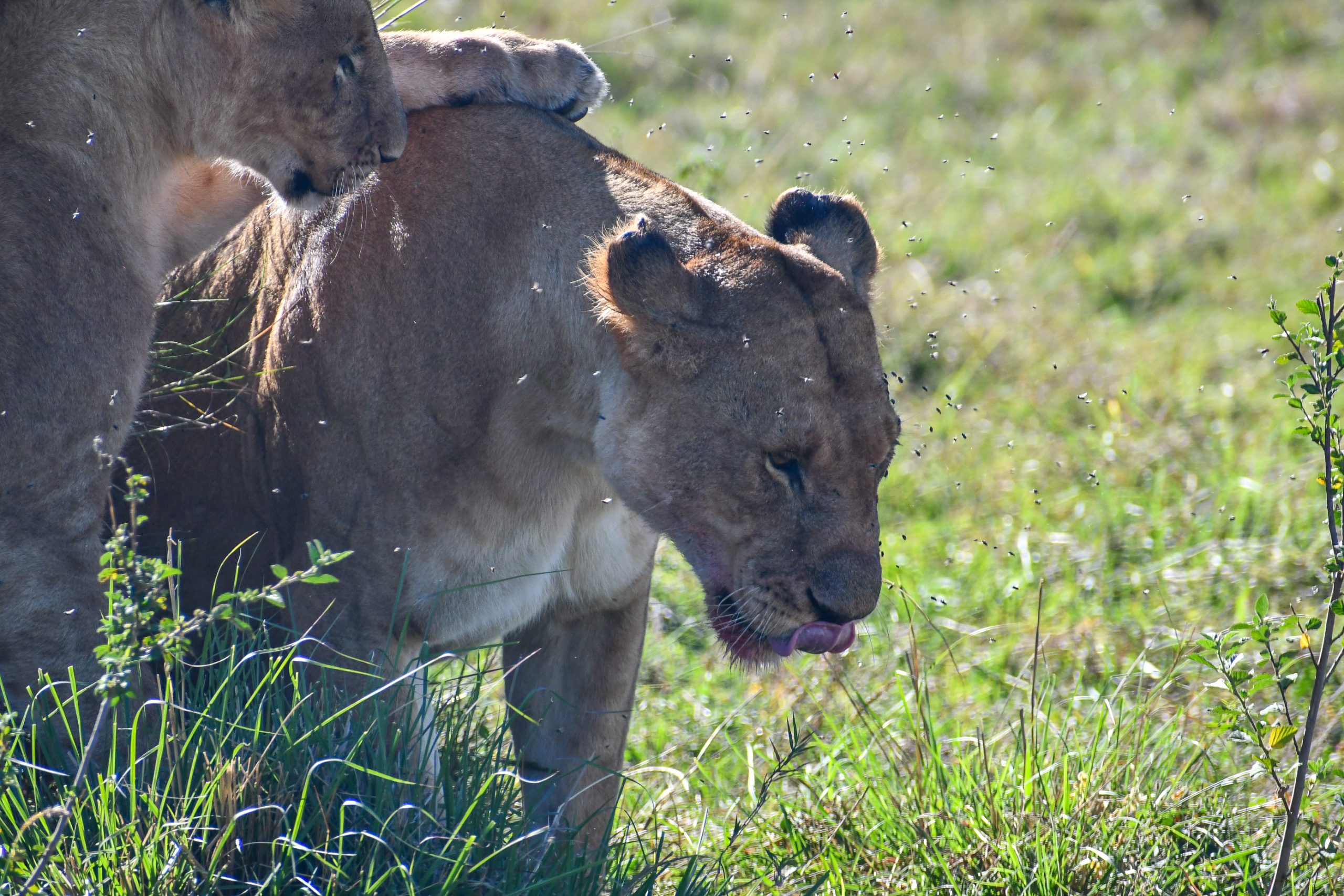
On Sunday evening, as the sun was about to set, the Survey Pride stirred with hunting intent. Subira, the oldest female of the pride, and a littermate to the Oloolaimutia males Manywele and Oloiborr, had her eyes on a nearby herd of zebras. Without hesitation, she rose to lead the pride. By her side were Natumo and Namelok, the first successful litter (born in 2020) of Subira and her sister, the two Oloolaimutia Pride females who dispersed to establish the Survey Pride.
Behind them moved the subadults: two young females, Nenkomom and Chichi, and two males, Lenkomom and Enkayioni, all sired by Orkirikoi and Oloborani. They trailed the adult females, eager but learning. Keeping his distance, Orkirikoi shadowed the pride cautiously, aware of the looming threats from intruders in his former domain.
Darkness soon fell, and we left before seeing the hunt’s outcome. Still, we remain hopeful that the Survey Pride’s subadults, along with Orkirikoi, will continue to navigate the dangers posed by both the Kazkaz males and the Rongai subadults, who remain a serious threat to their survival.
New Hope for the Figtree Pride
The Figtree Pride has encouraging news: the remaining two females, Samara and her sister Sukari (a name given by guides), are raising six small cubs sired by the Blackrock males Oloshipa and Oloimina. This is a vital development for the pride, whose numbers have declined alarmingly in recent years. The survival of these cubs is crucial for the continuance of the Figtree bloodline.
However, danger is never far. The Rongai Pride has been ranging very close to where Samara and Sukari are denning their cubs, posing a significant threat. With their experience and resilience, we hope the Figtree females will take every precaution to ensure their young ones grow safely and successfully.
Cheetah Count
Ranger
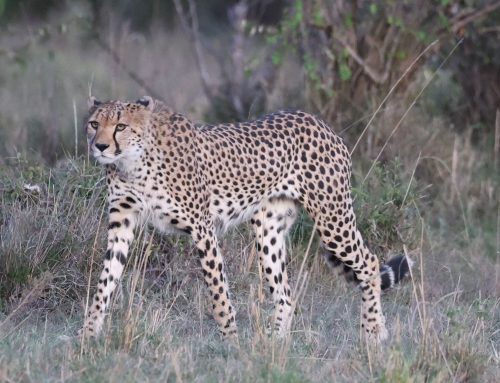
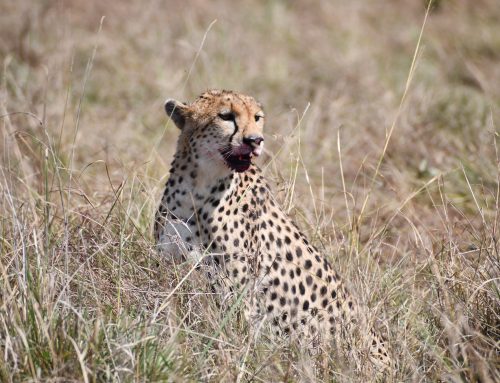
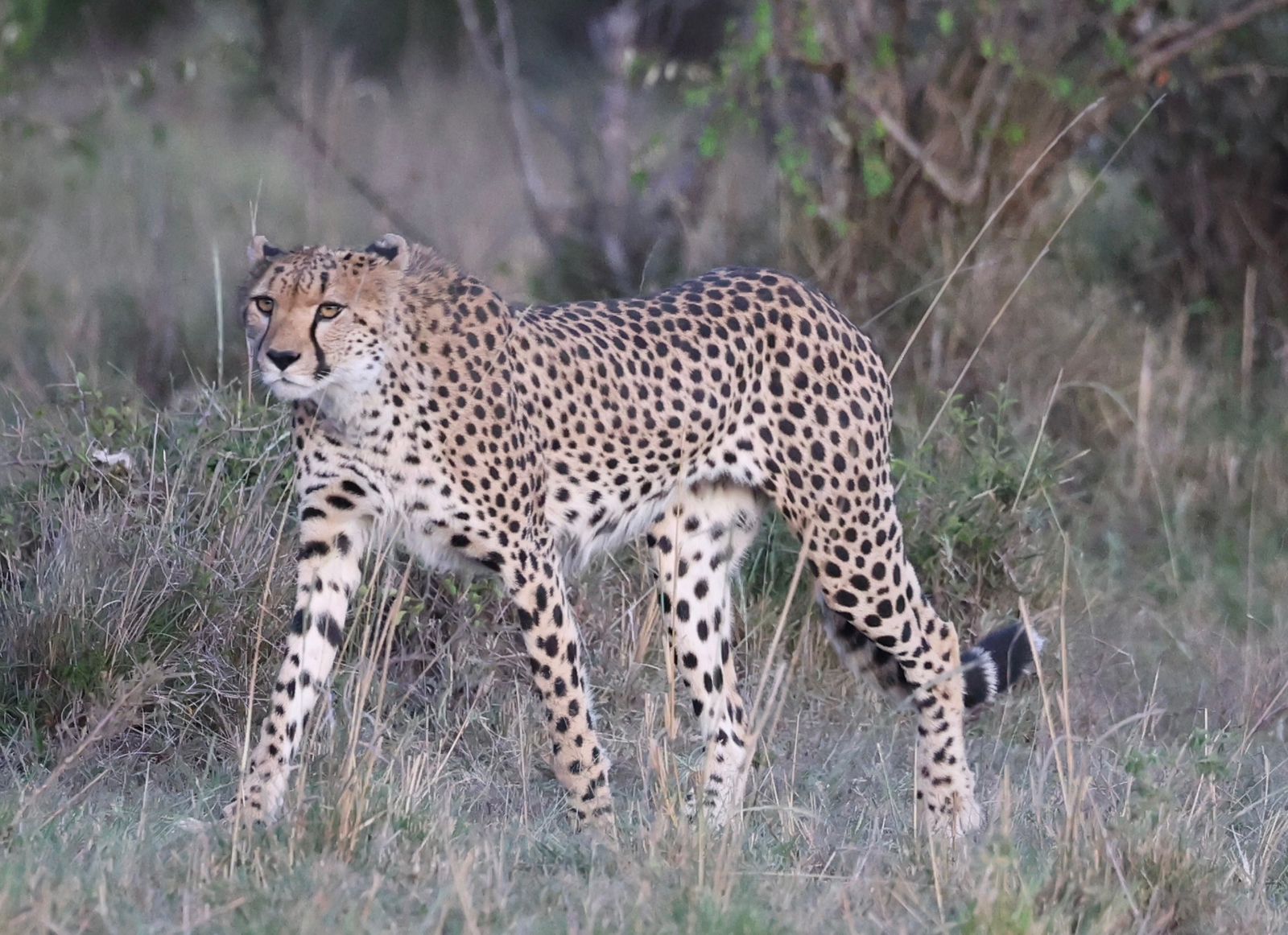
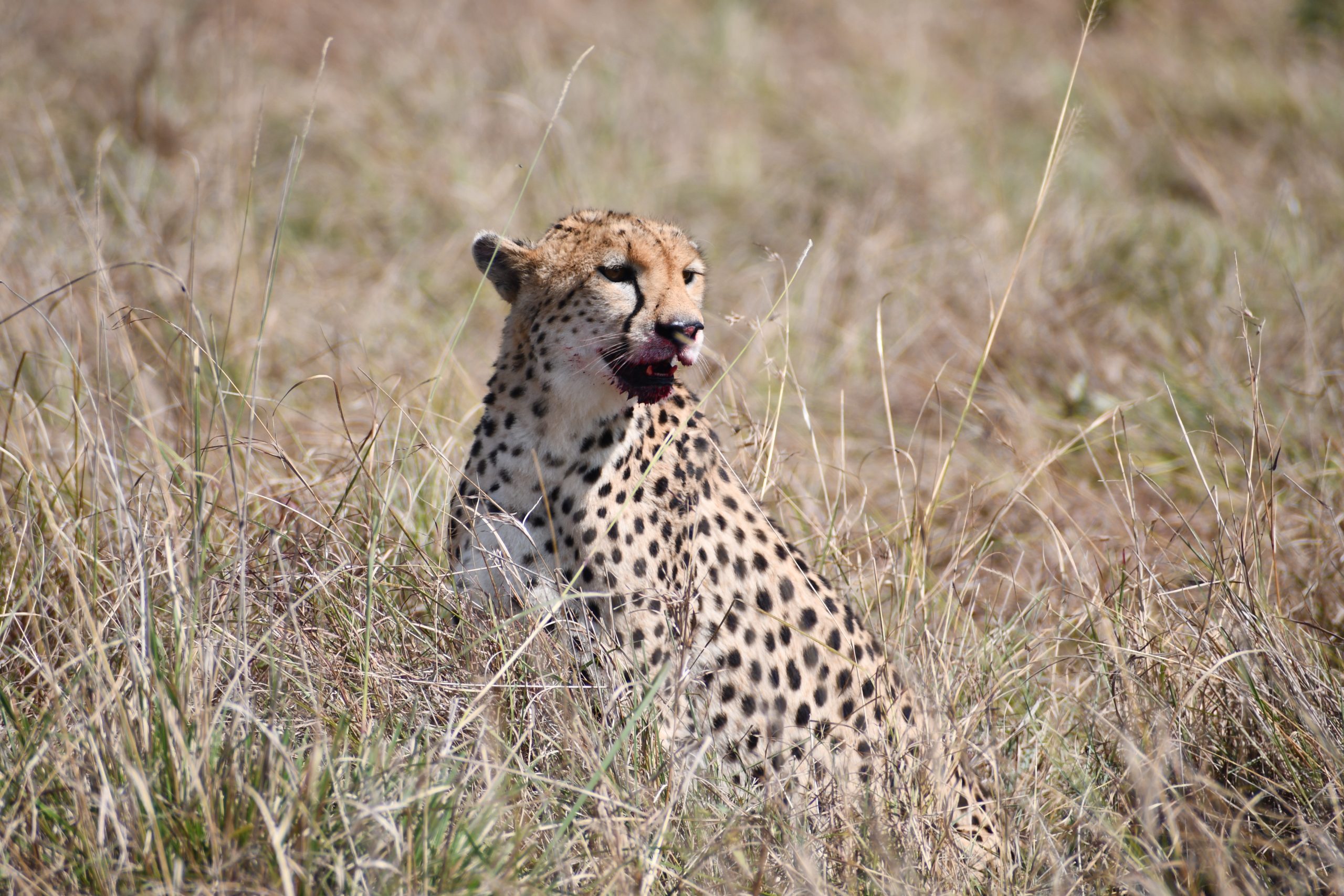
Ranger, the surviving son of Risasi, was born in the Mara Triangle. Tragedy struck early when he lost his littermate in a hunting incident soon after the two dispersed from their mother. From then on, Ranger adopted a solitary lifestyle. He first moved into the northern Serengeti, later returning to the Triangle before making an intriguing move across to the Reserve side.
Since then, Ranger has become a true wanderer, ranging widely across the Reserve with occasional sightings in Olare Motorogi and Mara North Conservancies, looking for a home range to settle in.
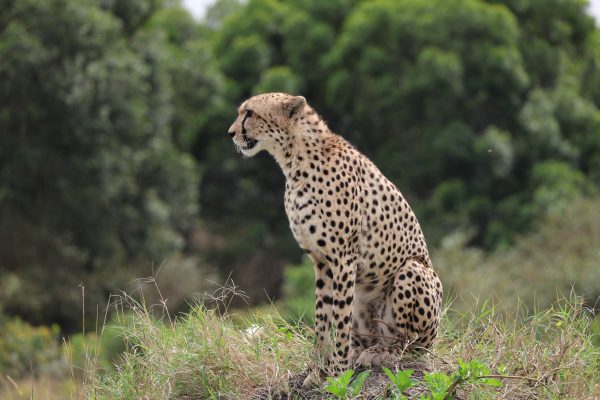
Recently, he was seen in excellent condition in the Double Cross area, and more sightings have placed him confidently patrolling around Rhino Ridge, a clear sign of his resilience and strength as a nomadic male carving his own path.
From the determination of the Figtree females to the strength of Ranger, this week highlights the resilience of the Greater Mara’s predators. Even Orkirikoi, a king in exile, demonstrates the pull of family and the will to survive against the odds.
It is a privilege to document these stories, and it strengthens our commitment to protecting the landscapes that allow such dramas of survival to unfold.
Conservation News & Updates
New scientific publication
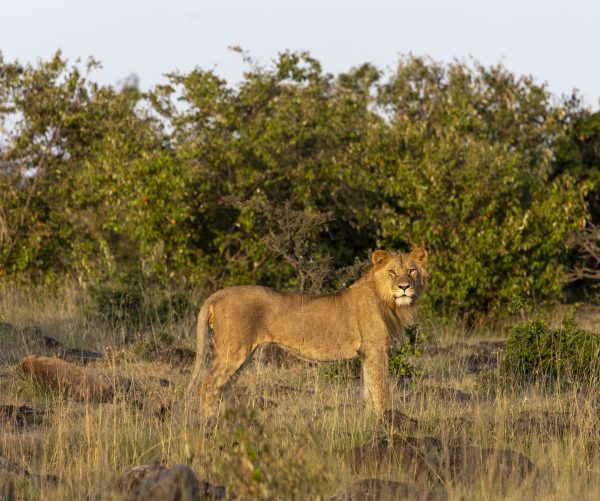
How do lions navigate a landscape shared with people? Our latest scientific publication reveals that not all lions react the same way. Territorial females tend to play it safe, staying still outside reserves during the day, while young nomadic males take bigger risks, often speeding through human-dominated areas at night.
These differences show how human pressure impacts some lions more than others, especially dispersing males searching for new territory. Understanding these hidden risks is vital for effective conservation. Learn more in our new scientific publication titled: Large carnivore movement patterns differ between demographics in response to human activity
A special note for our readers
The names you see in our Predator Watch, like Orkirikoi, Subira, and Ranger, are given by the local Maasai guides who spend much of their time following these individuals. This is a long-standing tradition, and each name, typically in Maa or Swahili, carries a special meaning often describing the animal’s appearance, a unique trait, or the circumstances of its first sighting.
Recently, it has come to our attention that some of these guides have been subjected to online harassment regarding the names they choose. Their knowledge is the foundation of wildlife tourism and conservation in the Mara. The naming of these individuals or prides is a part of their culture and their connection with the wildlife they protect.
We urge our online community to engage with respect and appreciation for this local tradition.
Be Part of the Story
Support Our Work
The stories you read in Predator Watch are made possible by our dedicated team on the ground and the essential tools they use every day. From monitoring lions and cheetahs across extensive territories to ensuring a Lion Ambassador can patrol safely, every aspect of our work requires resources. You can directly support these efforts and become a part of predator conservation in the Greater Mara.
Here’s how your contribution can make a direct impact:
- $50 buys a pair of sturdy boots to keep a Lion Ambassador on patrol.
- $100 purchases one GPS ear tag for a cow, helping us better understand and mitigate human-wildlife conflict.
- $500 provides fuel and maintenance for one of our 4×4 field vehicles for an entire month, keeping our research assistants on the move.
- $2,500 builds one predator-proof, recycled plastic boma (livestock enclosure), protecting livestock and preventing retaliatory killings.
- $5,000 allows us to purchase and deploy one GPS collar on a lion or cheetah, providing invaluable data on their movements.
Every donation makes a difference and allows us to continue this important work.