Predator Watch #11
A Story of Loss, Legacy and New Beginnings (1st – 7th September 2025)
Every day in the wild, a new story is written.
In the Mara, a legacy is not a birthright; it is a fragile crown that must be defended every single day. Power shifts like the wind, new coalitions rise to challenge the old guard, and the future of a bloodline can be extinguished in a single, brutal encounter. This week was a reminder of this truth.
Our research team and partner guides who work in the Mara documented a devastating battle between prides, the rise of a new coalition, the tragic end of a legendary male, and the hopeful return of a cheetah family on the cusp of a new chapter. It is the story of the Mara itself: a relentless, heartbreaking, and beautiful cycle of life and death.
Cubs fall in a Battle of Prides
For nearly a year now, Enesikiria Breakaway has held its territory stretching up to Ereyiet ole Ketere, after pushing the Sampu Enkare pride toward the Ndorobo area. A few weeks ago, the Sampu Enkare pride fought back, and Enesikiria Breakaway, which now has five cubs down from six, retreated and mostly lingered around Rocky Lugger for the past few weeks.
On Monday morning, an unfortunate incident occurred as witnessed by Kicheche Camps’ head guide Micah Kaleku. The Sampu Enkare pride females had a kill at Ereyiet ole Ketere.
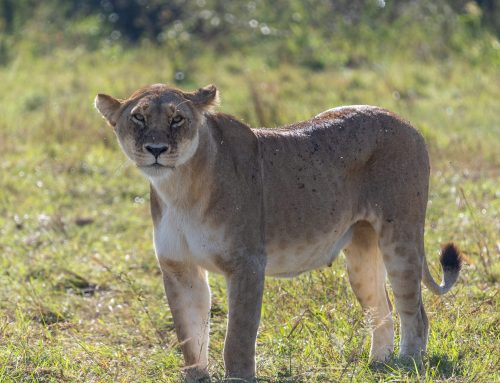
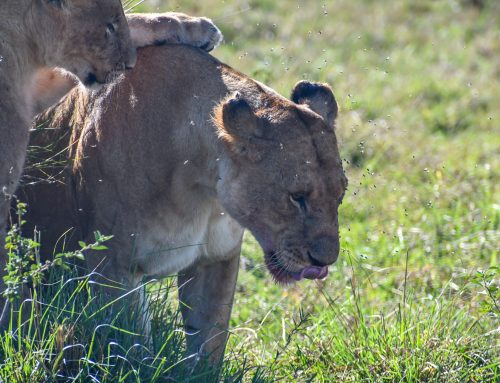
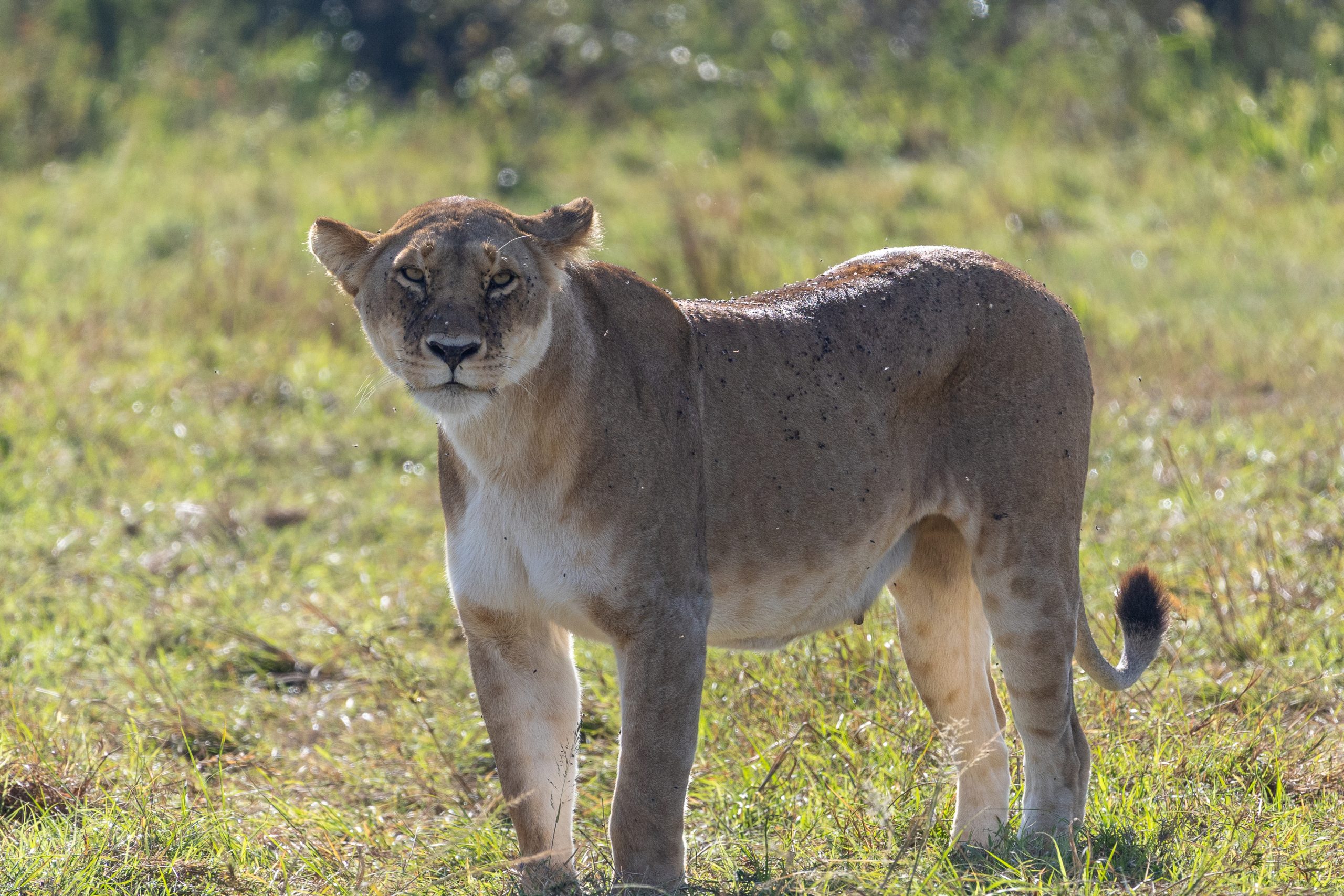
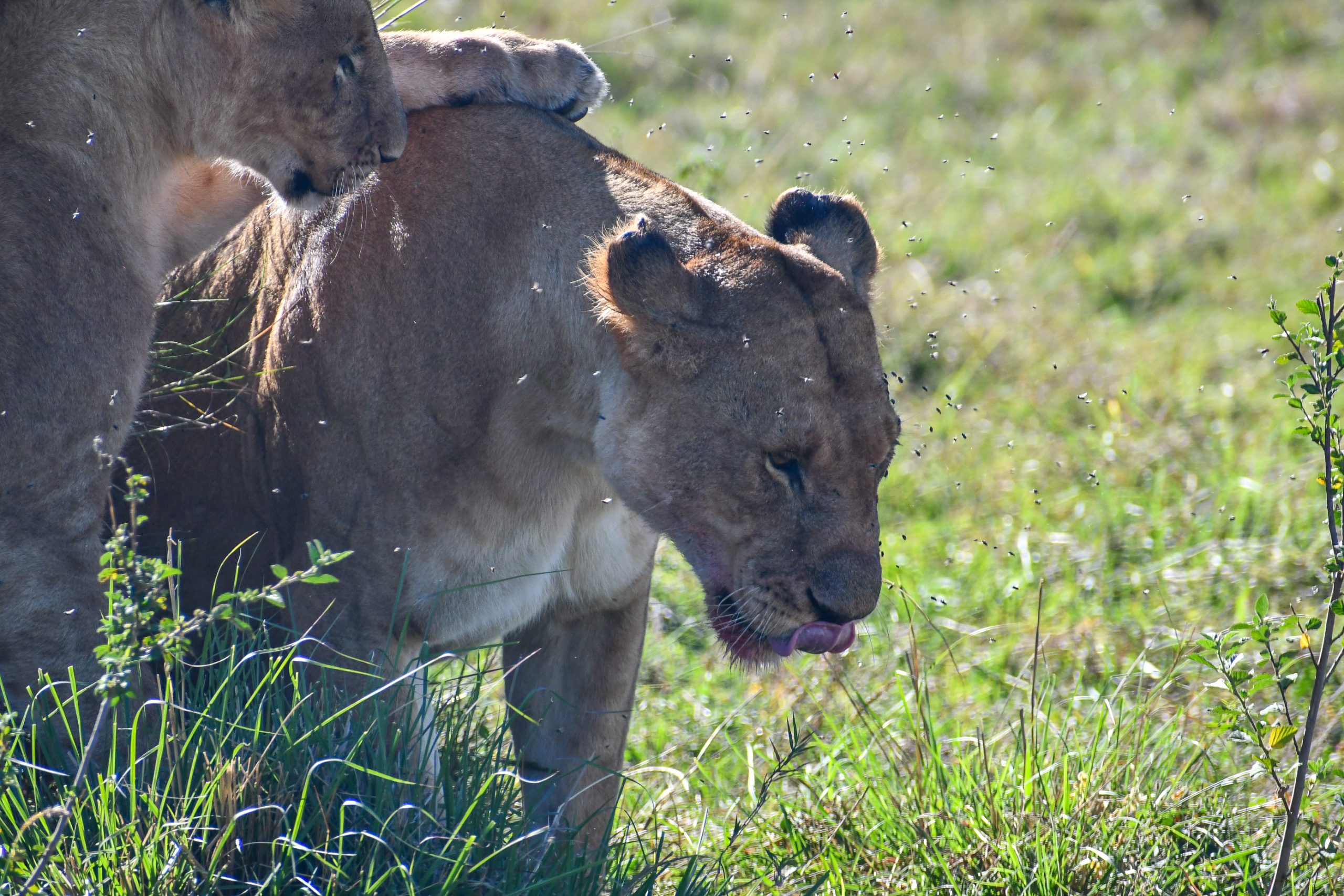
Surprisingly, Nariku, an experienced female at 8 years old, brought her three cubs to the kill in an area that is unsafe. Enesikiria Breakaway pride caught up with them, and a fierce fight broke out. Nariku managed to rescue one of her cubs, and they all ran away toward Ndorobo, with the other pride members remaining safe.
Enesikiria Breakaway pride stayed at the kill, and sadly, in an unusual turn, they were seen feeding on Nariku’s cubs that they had killed.
A coalition to watch
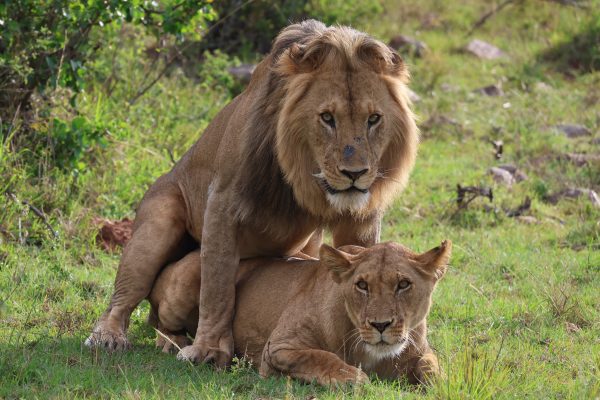
This week, we encountered the four Molibany boys in Isaaten Conservancy, mating with a female from Isanchu Pride. These subadult males were born in the first quarter of 2022 in Naboisho Conservancy, sired by the Koka males (Oloiborkwe and Kiminati).
When they dispersed from their natal pride, they hanged along the Naboisho–Nashulai border, staying close to their fathers after the Lemek boys took over the Molibany Pride. The Koka males then moved south, establishing control over the Enesikiria Core Pride.
For the past few months, the Molibany boys have been roaming across Nashulai, Isaaten, and Siana Conservancies, exploring and seeking females.
To see them now mating marks an exciting new chapter in their journey. If successful, their first offspring could be seen soon.
RIP Lemoniko
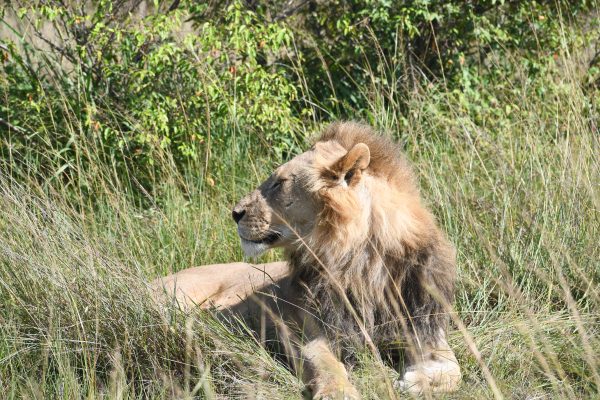
On Sunday evening, guides reported a dead lion near Lorian Camp. Based on the injuries described, we suspect he may have been killed by other lions, though we cannot be certain. By the time we arrived, only the skull and scattered remains were left, being consumed by hyenas. We identified the Lion as Lemoniko, who was born in Olare Motorogi Conservancy to the Sankai Pride, sired by Olope and Olbarikoi (also known as Frank2 and Jesse2).
Together with his brothers, Kiliya and Lenchada, he formed a formidable coalition that once ruled over the Rekero Pride. Their reign ended when the coalition of Kijana and Olchore took over Rekero. Kiliya and Lenchada disappeared, leaving Lemoniko to survive on his own.
He lived a nomadic life, staying under the radar until fate brought him together with Orkuret, another lone male who had lost his brothers in Olare Motorogi. For the past couple of months, they seemed to have settled in the Double Cross area. Lemoniko and Orkuret are possible fathers of Nashipae and Naretu cubs the two females of the Topi Pride, as well as Napono, the collared Engoyanai female.
With Lemoniko’s death, we have lost the last standing male of the Sankai Boys coalition. His story is a reminder of the fragile yet fierce lives lions lead. We hope Orkuret is safe and continues to fight for the survival of their legacy through the cubs they may have sired.
Cheetah Count
Nabaya Returns
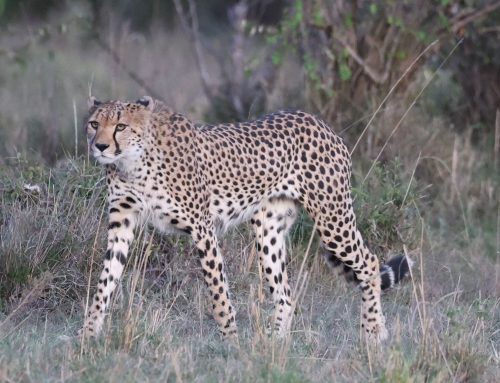
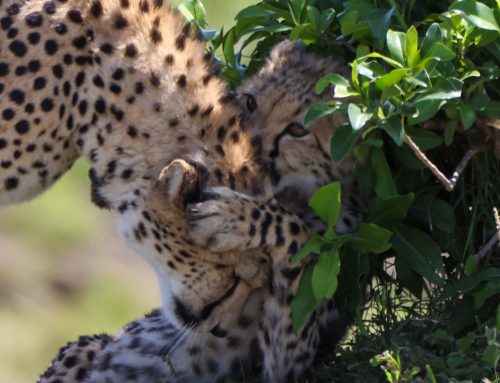
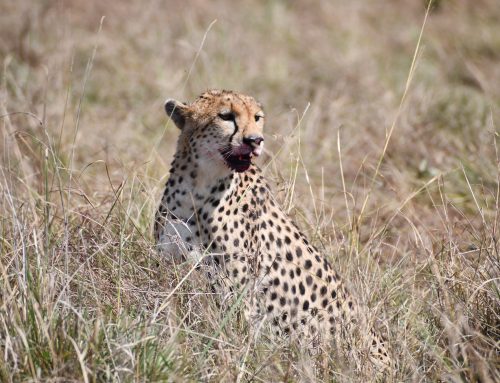
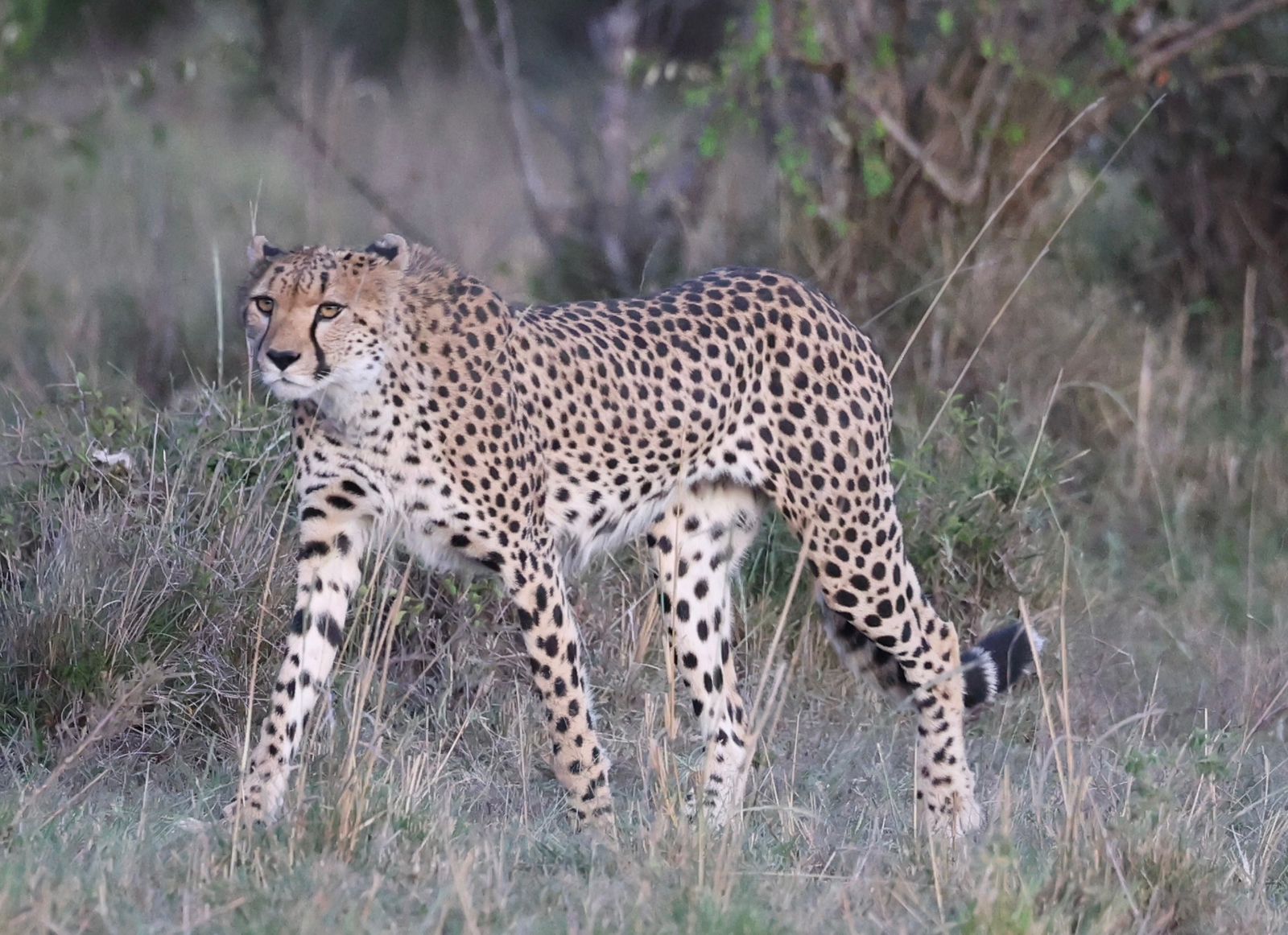
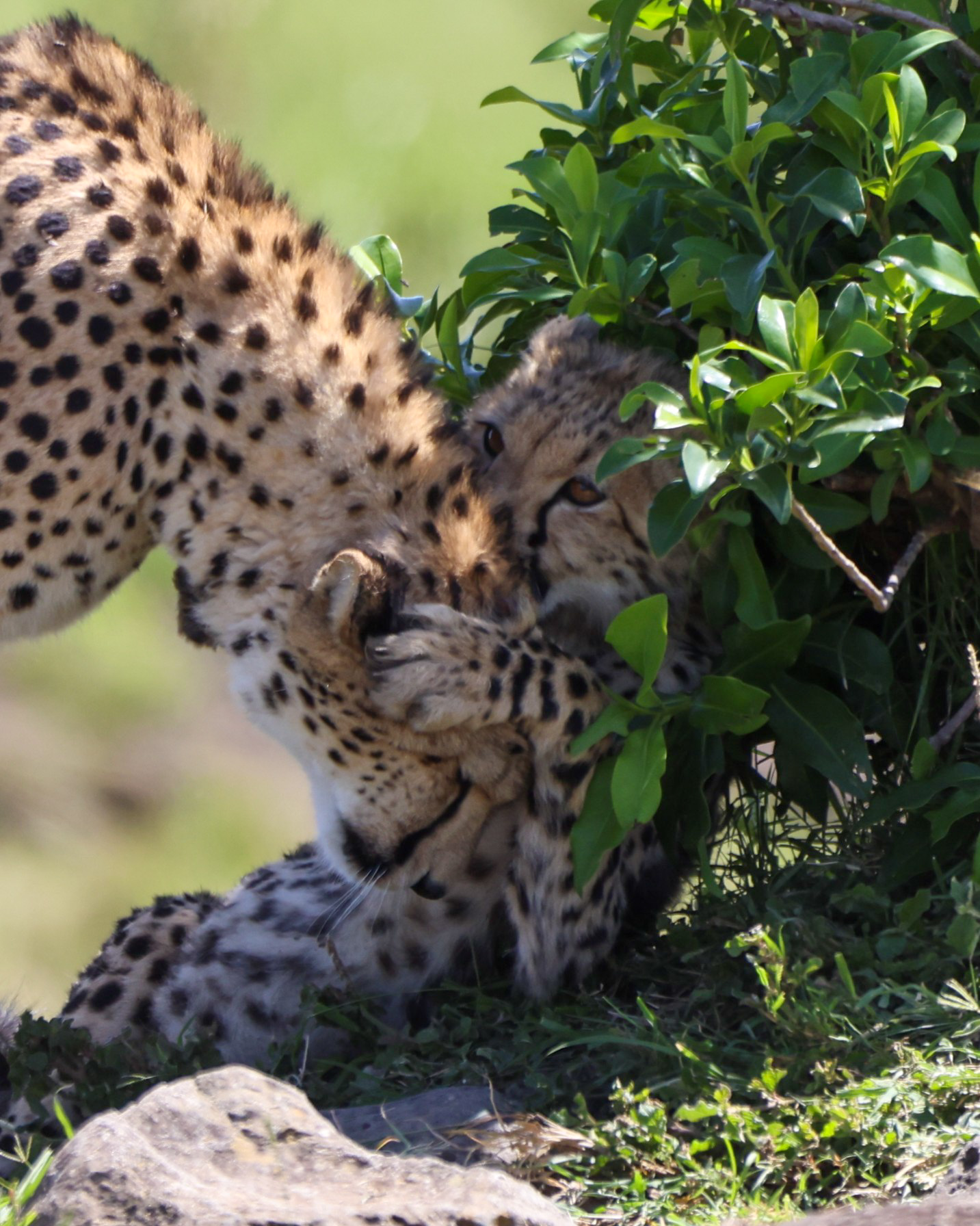
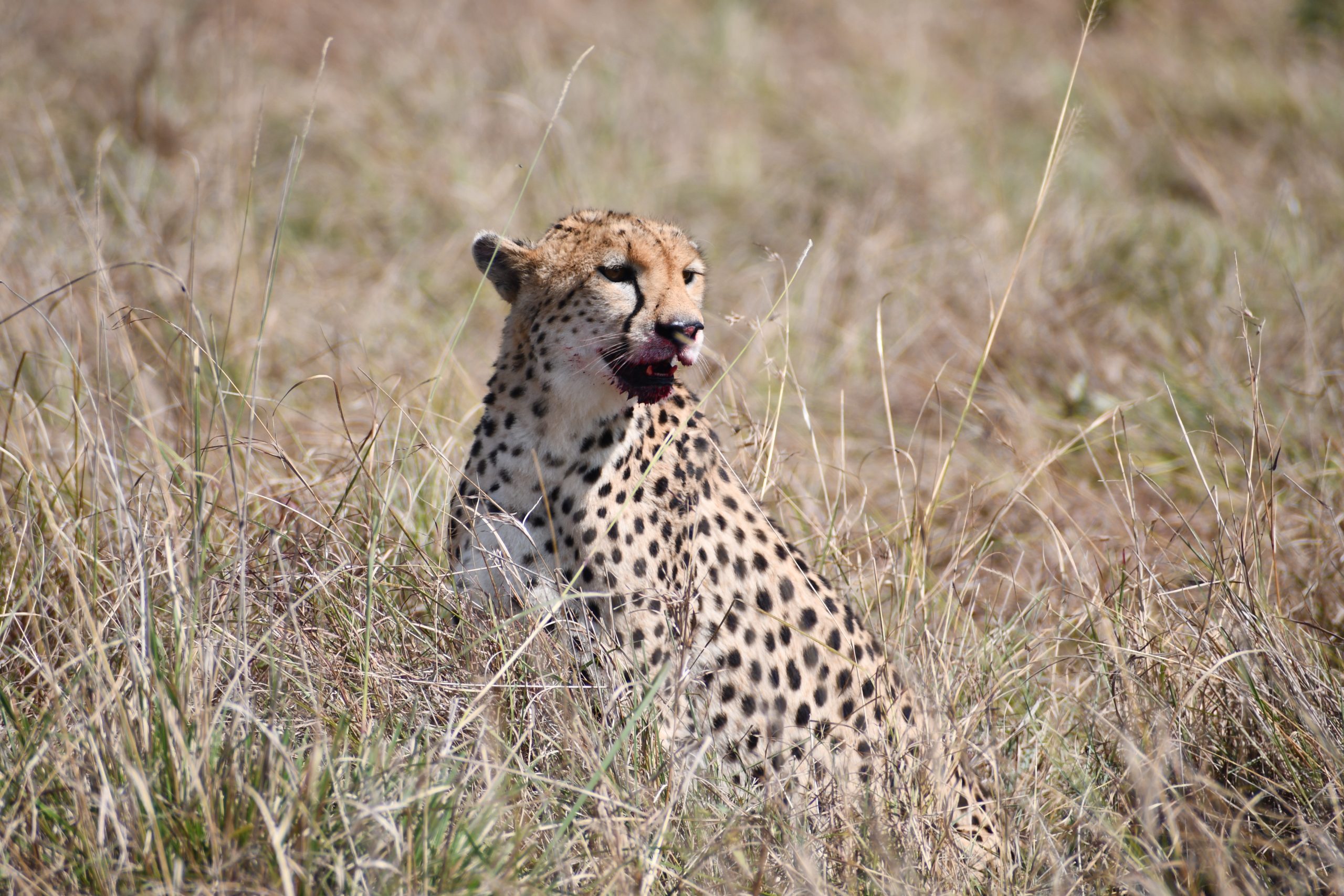
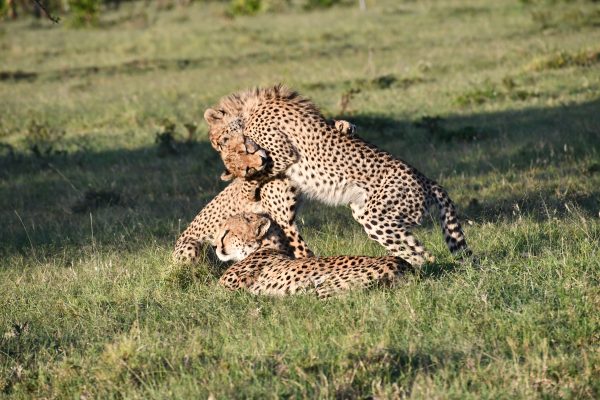
For almost a month, Nabaya and her two subadults, a young male and female, had not been sighted in their usual home range in Olarro Conservancy. Their absence raised concern, especially given the alarming decline of the cheetah population across the Greater Mara ecosystem. Fortunately, earlier this week, the family of three was spotted once again in Olarro, all in excellent condition. The subadults are now at the age of dispersal. Very soon, they will part ways with their mother to begin independent lives.
In cheetahs, dispersal follows a fascinating pattern: when two or more subadults separate from their mother, they stay together for some time before females go off to live solitary lives, while males often remain together, forming coalitions that can give them an advantage in survival and territorial defense.
As Nabaya’s daughter prepares to set off on her own, we hope she will establish herself somewhere within the Mara ecosystem, contributing to the survival of this vulnerable species and helping to strengthen a declining population.
From the brutal death of cubs to the hopeful rise of a new coalition, this week’s events paint an unfiltered picture of the cycle of life in the Mara. It is a world where legacies are fragile, loss is frequent, but the drive to survive and create the next generation is unbreakable.
Our work is to stand on the front lines of this drama, not to interfere, but to monitor, to understand, and to protect the ecosystem that allows these stories to unfold.
Conservation News & Updates
Conservation in every cup
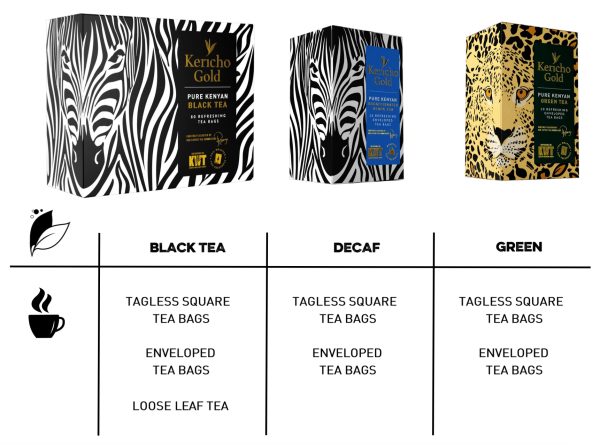
You can now support our work in the Mara with your daily cup of tea. Kenya Wildlife Trust has partnered with Kericho Gold to launch a special Conservation Range of teas. A portion of the proceeds from every purchase of this beautifully designed range will be donated directly to support the efforts of Mara Predator Conservation Programme.
By choosing Kericho Gold’s Conservation Range, you are helping to fuel our research, support our Lion Ambassadors, and protect the species you read about each week. Look for it in stores and help us make a difference, one cup at a time.
Be Part of the Story
Support Our Work
The stories you read in Predator Watch are made possible by our dedicated team on the ground and the essential tools they use every day. From monitoring lions and cheetahs across extensive territories to ensuring a Lion Ambassador can patrol safely, every aspect of our work requires resources. You can directly support these efforts and become a part of predator conservation in the Greater Mara.
Here’s how your contribution can make a direct impact:
- $50 buys a pair of sturdy boots to keep a Lion Ambassador on patrol.
- $100 purchases one GPS ear tag for a cow, helping us better understand and mitigate human-wildlife conflict.
- $500 provides fuel and maintenance for one of our 4×4 field vehicles for an entire month, keeping our research assistants on the move.
- $2,500 builds one predator-proof, recycled plastic boma (livestock enclosure), protecting livestock and preventing retaliatory killings.
- $5,000 allows us to purchase and deploy one GPS collar on a lion or cheetah, providing invaluable data on their movements.
Every donation makes a difference and allows us to continue this important work.