Predator Watch #6
Bold Moves and Unsolved Mysteries (28th July – 3rd August 2025)
Every day in the wild, a new story is written.
The Mara is a landscape defined by invisible lines; territories held by tooth and claw, passed down through generations. But these borders are never static. This week, our team witnessed predators making bold moves across the landscape, driven by instinct, pressure, and mysteries we are still working to unravel. From a lion pride in flux to a cheetah on a mysterious journey, these sightings remind us that the Mara is a world in constant motion.
The Ever-Changing Dynamics of Naboisho
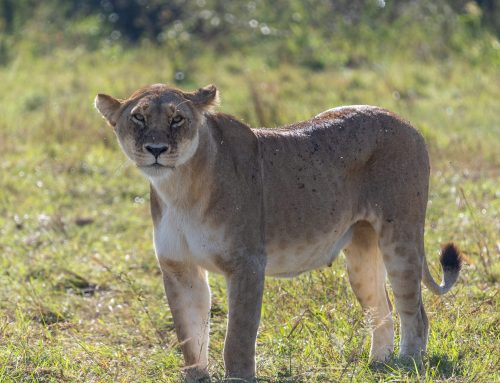
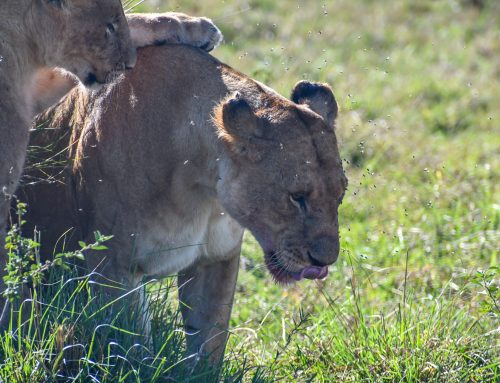
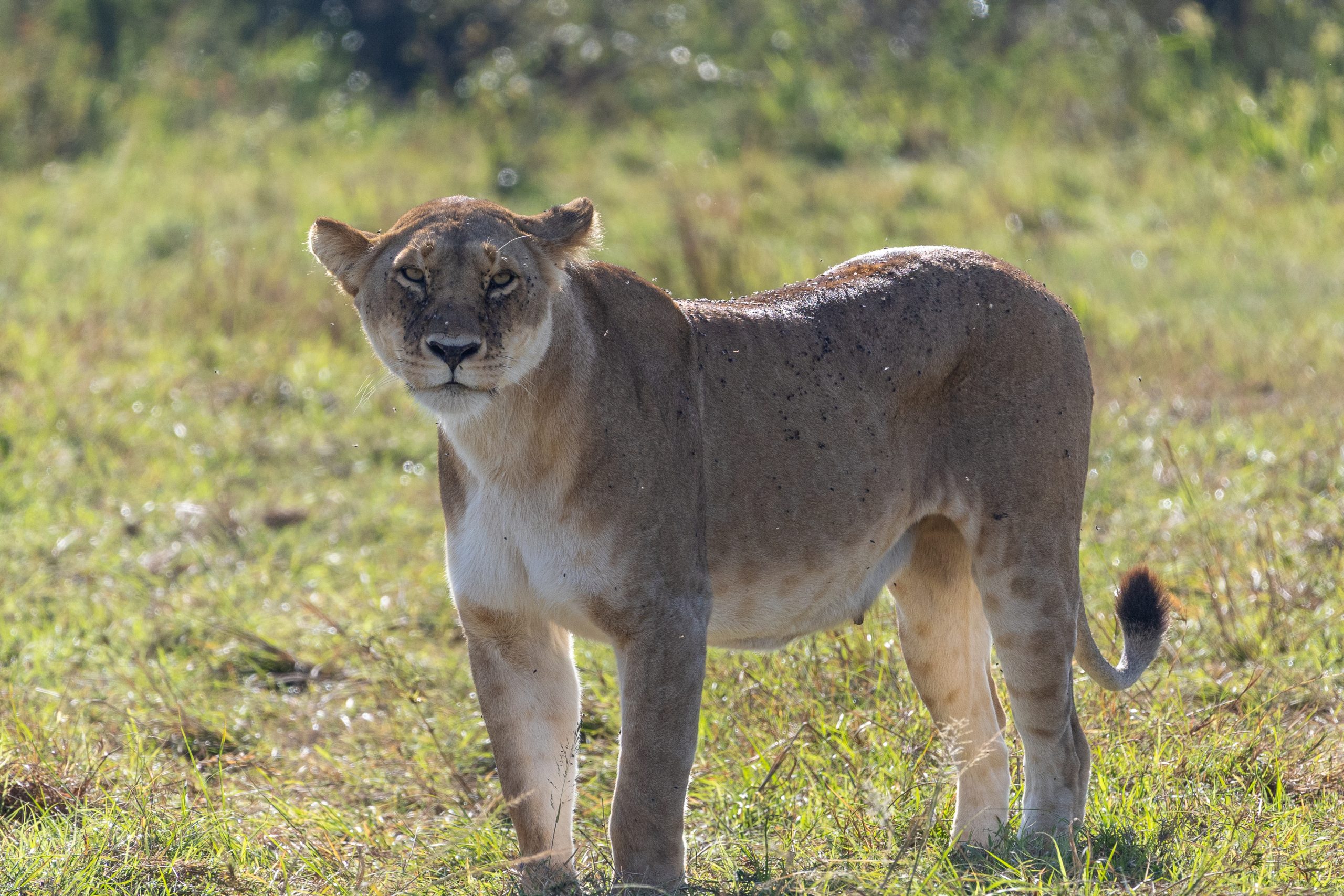
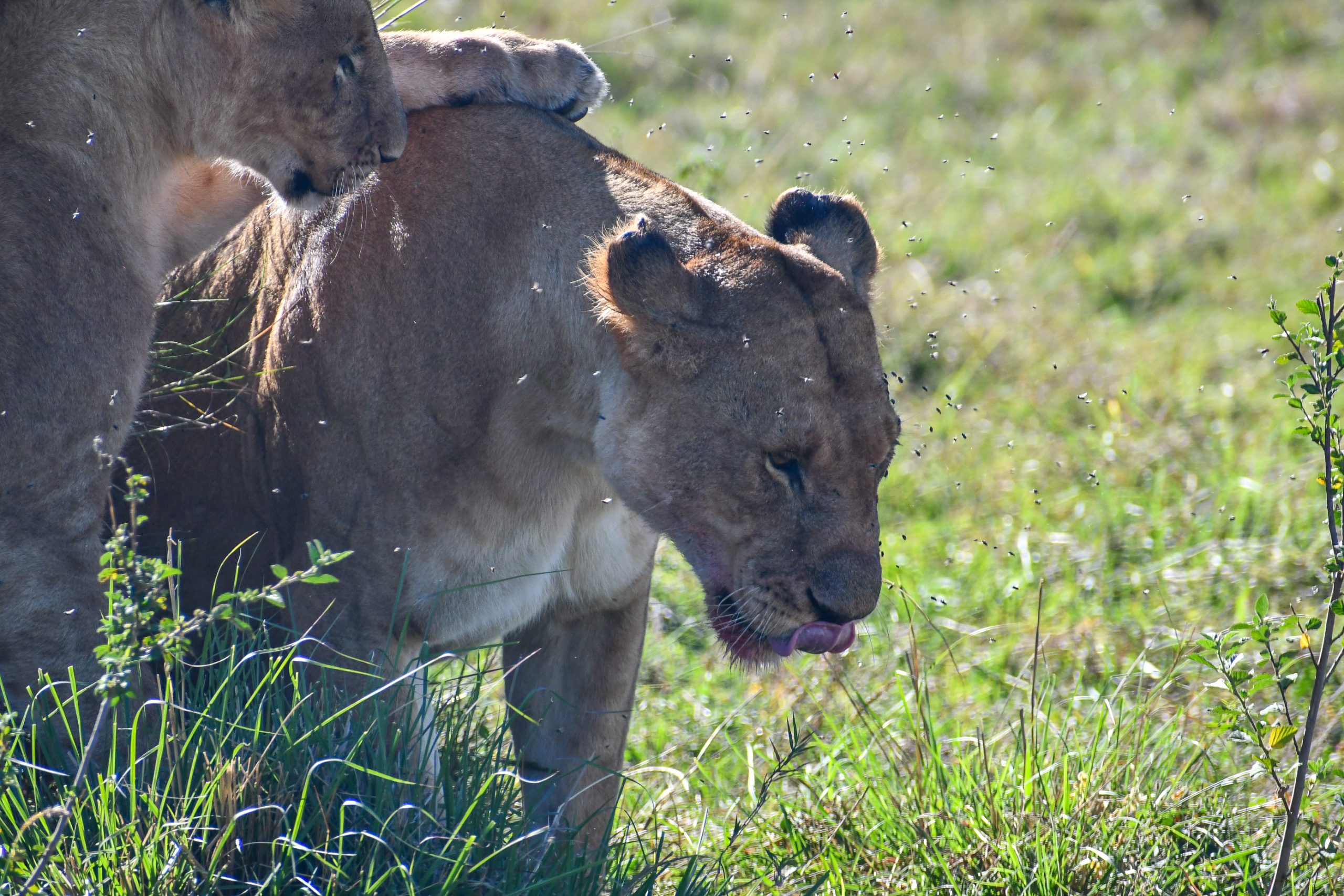
This week in Naboisho Conservancy, we encountered the Ilkisiausiau group, which stayed behind in their old territory after all the others moved up to the Osuguroi-Olesere stream area. At that time, it was made up of three females, all born in 2020, their six cubs (now 8 months old), and five subadult males (last litter of the Rongai boys). This move kept the four subadult males safe from the Maji ya Fisi boys’ dominant males of the Ilkisiausiau pride. This week, the group’s numbers were the same, yet the dynamics have shifted. The four subadult males have now dispersed (one was killed by Lemek boys), a natural next step in the life of male lions.
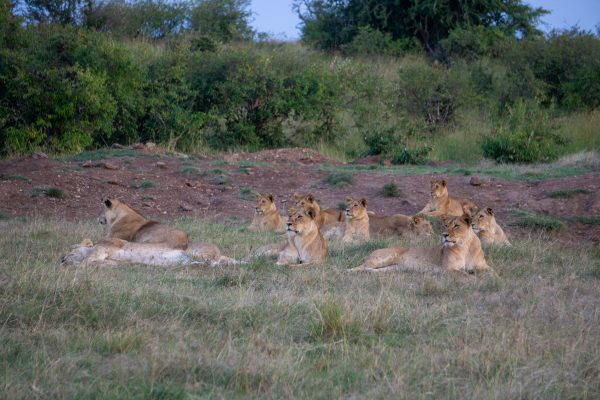
Two of them were last seen near the Naboisho-Olkinyei border on Saturday, roaming cautiously. New in the group are three females, the first generation of the Maji ya Fisi males, born in June 2023, instinctively distancing themselves to avoid future inbreeding with their fathers. Interestingly, one of the six cubs that was severely injured by a buffalo is back with pride after defying the odds and recovering. The group, however, remains cautious in its movements as its current range lies within the territory frequented by the Lemek boys, who have been in the area and mating with some of the females for quite some time now.
Cheetah Count
An Appearance far away from Home
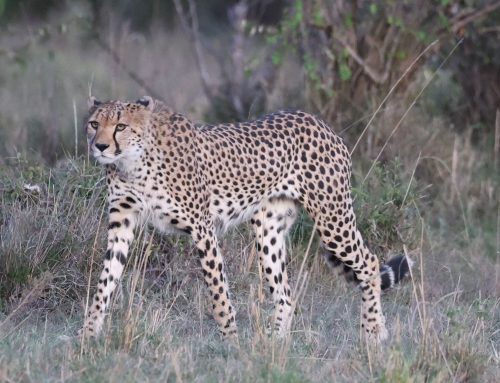
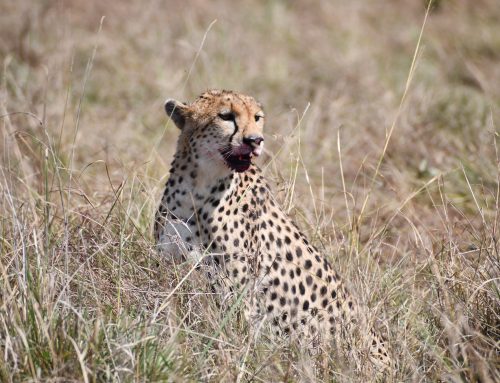
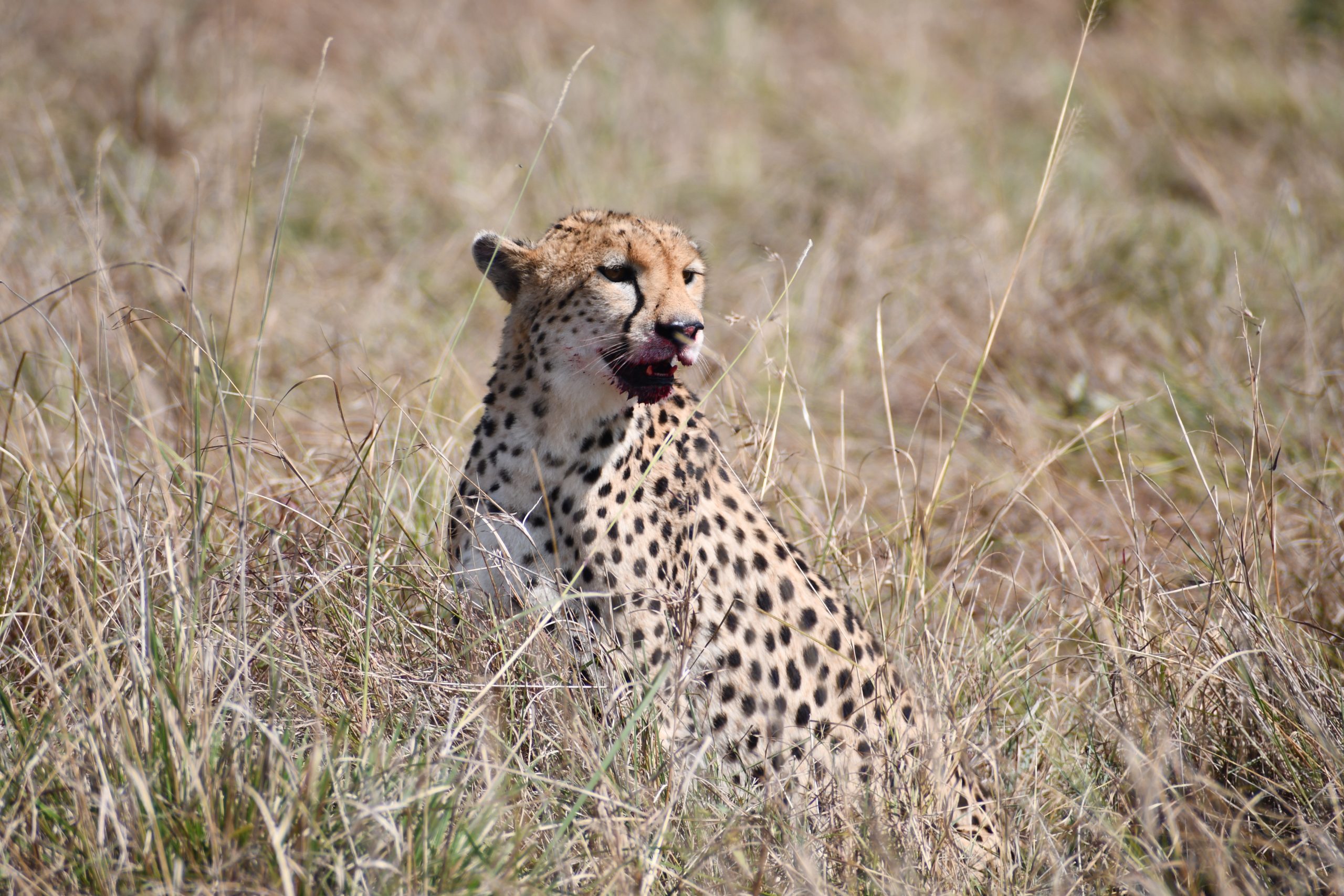
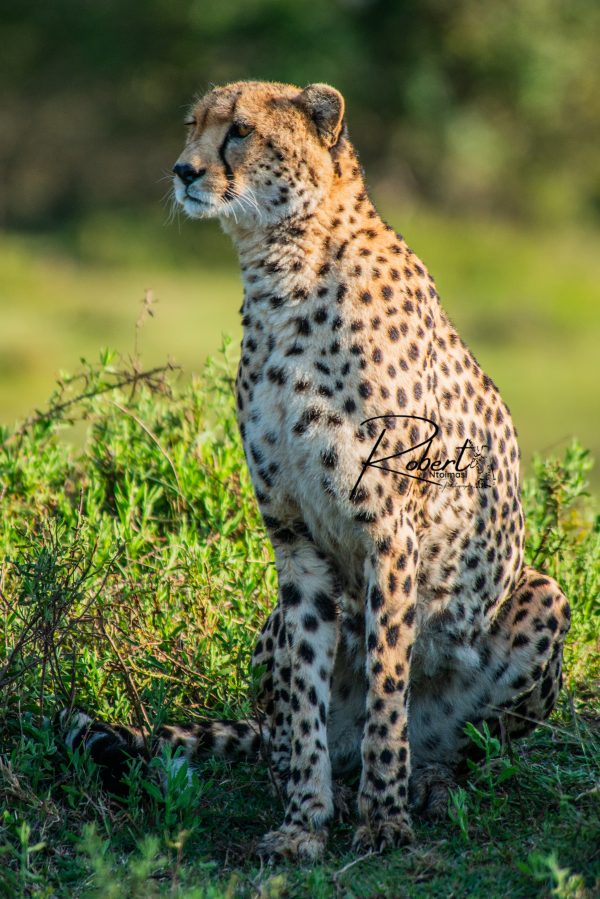
For several weeks now, Namunyak, a female cheetah that is frequently seen in the conservancies, has not been sighted. This week, she was strangely seen far away from her usual home range in the conservancies, close to Olderkesi Conservancy, not far from the Kenya-Tanzania border. She has been there for several days now and was sighted successfully hunting an Impala this week.
Namunyak has always moved around Olkinyei, Naboisho, and Olare Motorogi Conservancies, showing up in the Reserve occasionally since she was born and even raising her son, Olomunyak, in her usual home range.
Adult female cheetahs can have extensive home ranges, but this particular movement far away from home is unusual, and an interesting behaviour.
Naboisho Male Olope
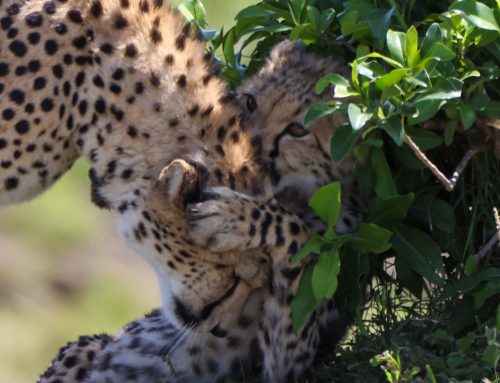
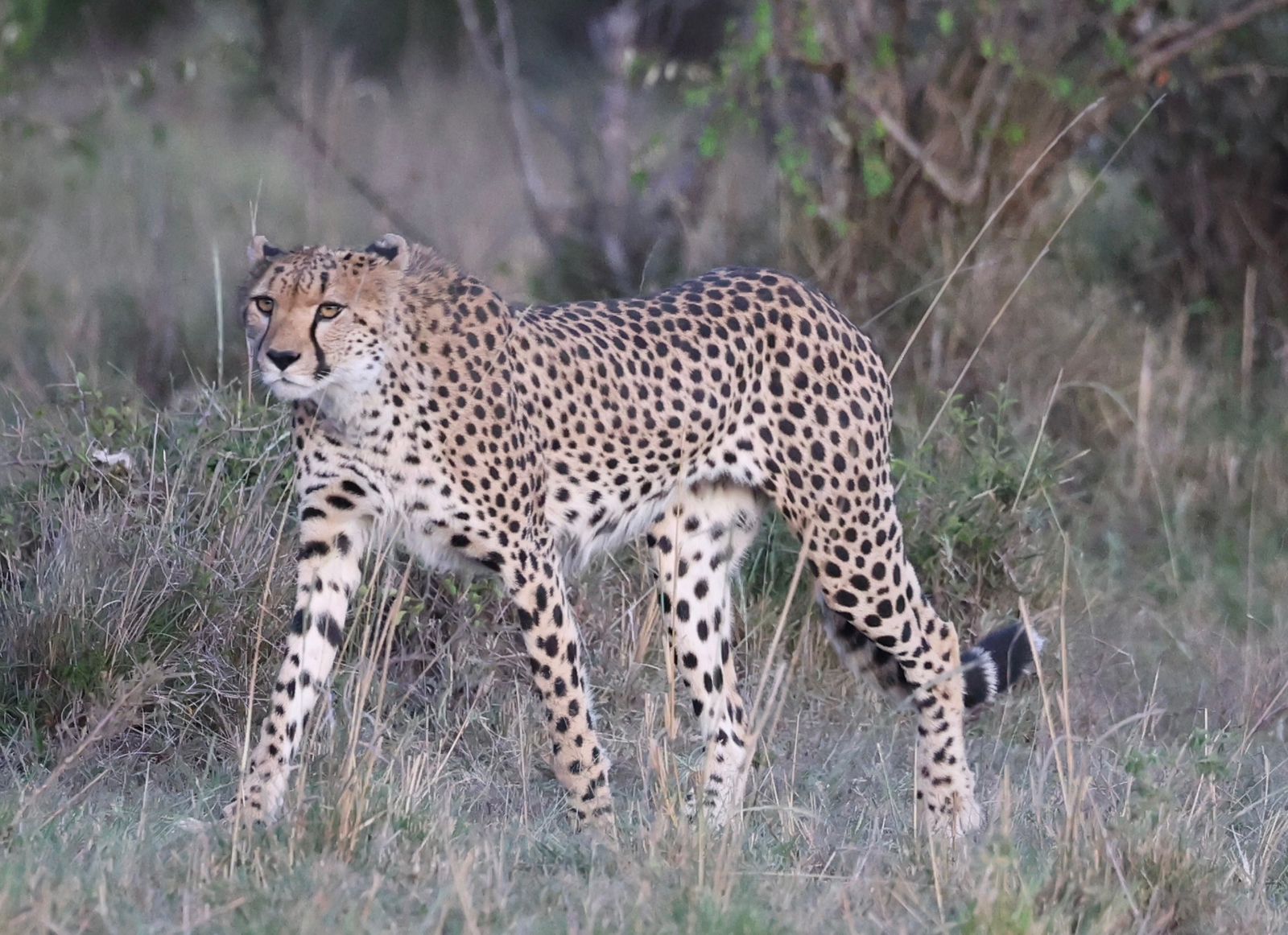
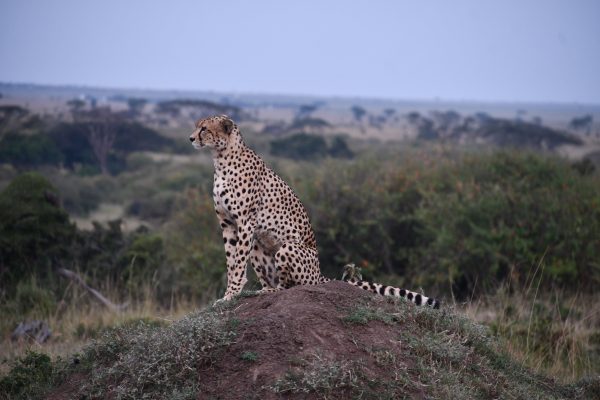
Olope was first seen in 2022 in Olkinyei Conservancy, very shy and nearly impossible to get a picture of. Back then, he preferred staying in the bushes to avoid cars, but over time, he became used to the situation. He moved between Olkinyei and Naboisho Conservancies, and the guides and rangers named him Olope.
This week, he was seen moving across the Mahali Mzuri plains in Olare Motorogi Conservancy, scent-marking and establishing presence. But he’s not alone in this territory. Kiraposhe’s son, Milele, was also spotted nearby, and Olope has to move cautiously because he is trespassing into Milele’s territory.
From a pride in constant flux to a cheetah on a mysterious journey, these sightings are moments with data points in an unfolding story. Understanding these movements across invisible borders is key to protecting the delicate balance of the Greater Mara ecosystem.
World Lion Day 2025
World Lion Day is this coming Sunday, August 10th, and we’re bringing you a special edition of Predator Watch straight from the field.
As our researchers continue the 2025 Intensive Monitoring session, they are uncovering the latest stories of predator dynamics, challenges, and triumphs. This edition will share exclusive insights and data from our IMS over the years. Subscribe to our newsletter below or follow us on social media to stay in the loop.
Conservation News & Updates
Slowing Down – A wildlife photography book from Kenya
There are only three days left to support the Kickstarter campaign for “Slowing Down,” a stunning new wildlife photography book by our partner, Venkat Iyer. We are incredibly proud that proceeds from the book’s sales will directly support predator conservation work in the Greater Mara Ecosystem.
The campaign has already seen tremendous community support, becoming fully funded in under 48 hours, and this is your last chance to be part of this amazing initiative from the start. Don’t miss this opportunity to acquire a beautiful collection of art while making a direct impact on the ground.
You can back the project and secure your copy here.

Be Part of the Story
Support Our Work
The stories you read in Predator Watch are made possible by our dedicated team on the ground and the essential tools they use every day. From monitoring lions and cheetahs across extensive territories to ensuring a Lion Ambassador can patrol safely, every aspect of our work requires resources. You can directly support these efforts and become a part of predator conservation in the Greater Mara.
Here’s how your contribution can make a direct impact:
- $50 buys a pair of sturdy boots to keep a Lion Ambassador on patrol.
- $100 purchases one GPS ear tag for a cow, helping us better understand and mitigate human-wildlife conflict.
- $500 provides fuel and maintenance for one of our 4×4 field vehicles for an entire month, keeping our research assistants on the move.
- $2,500 builds one predator-proof, recycled plastic boma (livestock enclosure), protecting livestock and preventing retaliatory killings.
- $5,000 allows us to purchase and deploy one GPS collar on a lion or cheetah, providing invaluable data on their movements.
Every donation makes a difference and allows us to continue this important work.